Energy Storage Summit Asia 2026: What Solar & Storage EPCs Need to Know
What Energy Storage Summit Asia Is
Energy Storage Summit Asia is organised by Solar Media, publisher of Energy-Storage.news, and is now in its 4th edition. For 2026 the Summit moves to Bangkok and runs as a co-located conference within Asia Sustainable Energy Week (ASEW) 2026, one of the region's largest clean energy gatherings. The Summit itself is a dedicated conference programme focused specifically on battery energy storage systems (BESS), grid-scale storage procurement, and the policy and investment landscape shaping the Southeast Asian storage market, while ASEW brings the broader exhibition floor spanning renewable energy, energy efficiency, and storage technologies under one roof.
This pairing matters for solar EPCs. The Summit's conference sessions deliver policy and market intelligence aimed at developers, financiers, and procurement teams, while the ASEW exhibition floor is where EPCs can source BESS hardware, inverters, and balance-of-system components directly from manufacturers and distributors.
For solar EPCs specifically: This event is a business-to-business gathering, not a consumer show. The conference programme is where the regulatory and investment conversation happens; the exhibition floor is where the sourcing happens. EPCs working on commercial and industrial projects in Thailand and the broader ASEAN region should plan to use both.
Event Details at a Glance
- Dates – July 1, 2, and 3, 2026
Three days. Trade and professional visitors. - Venue – Queen Sirikit National Convention Center (QSNCC)
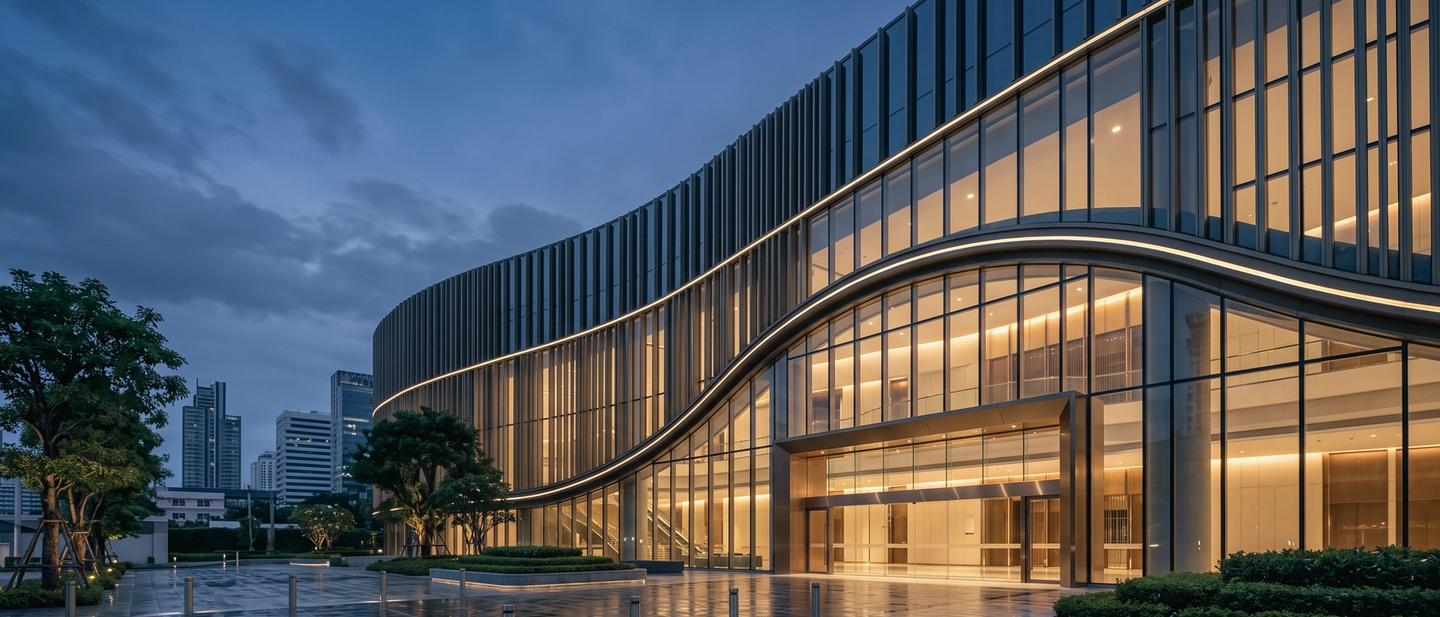
Bangkok, Thailand. State-of-the-art, sustainably designed venue with public transport access. - Co-located With – Asia Sustainable Energy Week (ASEW) 2026
Unites Renewable Energy Asia, Energy Efficiency Asia, and Energy Storage Asia exhibitions. - Scale – 30,000+ visitors, 1,400+ brands, 60+ countries
Across the combined ASEW and Summit programme. - Floor Space – 25,000+ sqm exhibition space
200+ expert-led sessions across the conference programme. - Organiser – Solar Media (Energy Storage Summit Asia), Informa Markets (ASEW)
Solar Media publishes Energy-Storage.news and PV Tech.
Why This Bangkok Edition Lands at an Unusually Active Moment
The Summit's move to Bangkok in 2026 coincides with two significant Thai policy developments that directly affect how EPCs plan and price solar and storage projects in the country.
December 27, 2024
Factory Licence Requirement Removed for Rooftop Solar
The Thai Cabinet introduced Ministerial Regulation Re: Designation of Type, Kind, and Size of Factories (No. 3), B.E. 2567. Rooftop solar power generation installations located outside industrial estates no longer require a factory licence, regardless of installed capacity, where installed on rooftops, roof decks, or parts of buildings that can be occupied or used. Ground-mounted and floating solar projects are not covered by this exemption. Effective December 28, 2024, this removed the previous requirement for a factory licence (Ror. Ngor. 4) on qualifying installations above 1,000 kW, which had previously added significant time and cost. Source: Tilleke & Gibbins, Hunton, and Nishimura & Asahi, established international legal trade press, all citing the regulation directly.
November 4, 2025
Thailand Accelerates Net Zero Target From 2065 to 2050
Thailand's Cabinet approved and submitted its updated Nationally Determined Contribution (NDC 3.0) to the UNFCCC, formally bringing forward the country's Net Zero greenhouse gas emissions target by 15 years, from 2065 to 2050, while setting an interim target of 152 MtCO2e net emissions by 2035 (a 47% reduction from 2019 levels). Source: UNFCCC primary submission document; OECD; NDC Partnership.
July 1-3, 2026
Energy Storage Summit Asia 2026 Opens in Bangkok
The Summit and ASEW exhibition open against this backdrop of an accelerated decarbonisation timeline and a significantly eased rooftop solar permitting environment, with the conversation on the floor expected to reflect both the urgency and the new accessibility of the Thai market.
For EPCs, the practical effect of these two changes is straightforward. The accelerated Net Zero target increases pressure on Thai policymakers and large energy consumers to move faster on deployment, while the factory licence removal eliminates a permitting bottleneck that previously led some developers to intentionally cap systems at 999 kW or split large rooftop projects across multiple special purpose vehicles to avoid the licensing requirement. Note that some commercial sources also describe a separate, related 2025 cabinet decision potentially exempting light rooftop systems from building modification permits; the implementing ministerial regulation for that specific measure was not confirmed from a primary source as of this writing and should be checked directly with the relevant Thai authority before being relied upon.
What Solar and Storage EPCs Should Prioritise at the Event
Source BESS hardware and compare regional suppliers
With over 1,400 brands and 60+ countries represented across the combined ASEW and Summit floor, this is one of the largest opportunities in the region to directly compare battery storage hardware, inverter technology, and balance-of-system components from manufacturers serving the ASEAN market. For EPCs building out commercial and industrial solar-plus-storage proposals in Thailand or neighbouring markets, in-person comparison of warranty terms, local service infrastructure, and component compatibility is significantly more efficient than remote sourcing.
Attend the Summit's policy and investment sessions
The Energy Storage Summit Asia conference programme is built specifically around the regulatory and financing landscape for storage deployment in Southeast Asia. Given the recent acceleration of Thailand's Net Zero target and the broader regional trend toward grid-forming storage technology, EPCs should prioritise sessions covering market design, revenue stacking, and grid integration, as these directly shape what storage configurations make commercial sense for clients over the coming years.
Understand the new factory licence-free pathway for large rooftop systems
For EPCs working with industrial and warehouse clients in Thailand, the December 2024 regulatory change materially changes project economics for large rooftop systems. Installations on warehouses, logistics and distribution centres, department stores, and similar occupiable structures no longer require the factory licence that previously constrained systems above 1 MW. This is worth discussing directly with exhibitors and conference speakers who have executed large rooftop projects in Thailand since the change took effect, to understand practical implementation experience beyond the regulatory text.
Track the data centre and AI-driven demand conversation
Southeast Asia's growing data centre investment, and the associated electricity demand growth, is shaping discussions across the storage and renewable energy sector regionally. For EPCs with clients in or adjacent to the data centre and industrial sectors, understanding how grid operators and large consumers are approaching storage as a demand-management tool is increasingly relevant to commercial proposal design.
Practical Visitor Information
The Queen Sirikit National Convention Center is accessible via Bangkok's public transport network, with the venue described by organisers as state-of-the-art and sustainably designed. For EPCs travelling from outside Thailand, registration details and exhibitor information are available through the official Energy Storage Summit Asia and ASEW websites. Business attire is generally expected at conference sessions and networking events, consistent with standard practice for B2B energy industry events in the region.
Given the scale of the combined event, EPCs attending for sourcing purposes should review the exhibitor list in advance and prioritise specific booths rather than attempting to cover the full 25,000+ sqm exhibition floor without a plan. The conference programme, with over 200 expert-led sessions, similarly benefits from advance review to identify the sessions most relevant to a specific project pipeline or client portfolio.
Frequently Asked Questions
Q1. When and where is Energy Storage Summit Asia 2026?
Energy Storage Summit Asia 2026 runs from July 1 to July 3, 2026, at the Queen Sirikit National Convention Center (QSNCC) in Bangkok, Thailand. It is the 4th edition of the Summit and is co-located with Asia Sustainable Energy Week (ASEW) 2026. The event is organised by Solar Media, publisher of Energy-Storage.news, with the broader ASEW exhibition organised by Informa Markets. The combined event is expected to draw over 30,000 visitors from more than 60 countries.
Q2. What is the difference between Energy Storage Summit Asia and ASEW?
Energy Storage Summit Asia is a dedicated conference focused on battery energy storage systems, grid-scale storage procurement, and the regulatory and investment landscape for storage in Southeast Asia. Asia Sustainable Energy Week (ASEW) is the larger co-located event that unites three exhibitions, Renewable Energy Asia, Energy Efficiency Asia, and Energy Storage Asia, across more than 25,000 square metres of exhibition space. In 2026, the Summit's conference programme runs within ASEW, meaning attendees have access to both the storage-specific conference sessions and the broader multi-technology exhibition floor in a single visit.
Q3. Why is Thailand's Net Zero target change relevant to this event?
On November 4, 2025, Thailand's Cabinet approved and submitted an updated Nationally Determined Contribution (NDC 3.0) to the UNFCCC, formally bringing forward the country's Net Zero greenhouse gas emissions target from 2065 to 2050, a 15-year acceleration. The updated NDC also sets an interim target of reducing net emissions to 152 million tonnes of CO2 equivalent by 2035, a 47% reduction from 2019 levels. This accelerated timeline increases the urgency around renewable energy and storage deployment in Thailand, and is expected to be a recurring reference point in the Summit's policy and investment conference sessions. Some general information sources, including parts of the event's own promotional materials, may still reference the earlier 2065 target; the 2050 target reflects the formally approved and UNFCCC-submitted NDC 3.0 as of this writing.
Q4. Does a factory in Thailand still need a license to install rooftop solar?
As of December 28, 2024, rooftop solar power generation installations located outside industrial estates no longer require a factory licence (commonly known as Ror. Ngor. 4), regardless of installed capacity, where installed on rooftops, roof decks, or parts of buildings that can be occupied or used, such as factories, warehouses, and logistics centres, under Ministerial Regulation Re: Designation of Type, Kind, and Size of Factories (No. 3), B.E. 2567. Ground-mounted and floating solar installations, and projects located inside industrial estates, are not covered by this exemption. Previously, systems exceeding 1,000 kW required this licence, which added significant time and administrative cost, leading some developers to deliberately cap system sizes or split large installations across multiple legal entities to avoid the requirement. EPCs should note that other approval steps, such as ERC notification and grid interconnection approval from the Provincial Electricity Authority (PEA) or Metropolitan Electricity Authority (MEA), still apply. This is a general summary of the regulatory change and not case-specific legal advice; confirm current requirements with a qualified Thai legal adviser before project planning.
Q5. Who attends Energy Storage Summit Asia and ASEW 2026?
The combined event draws independent power producers and project developers, EPCs, policymakers and government representatives, banks and investment funds, offtakers, utility representatives, and technology providers spanning solar, storage, energy efficiency, and broader clean energy sectors. Organisers project over 30,000 visitors and more than 1,400 brands represented, from over 60 countries, reflecting both Thai domestic market participants and international companies sourcing or selling into the broader Southeast Asian energy transition market.
Q6. Is Energy Storage Summit Asia 2026 relevant for solar EPCs, or only storage specialists?
It is highly relevant for solar EPCs, not only storage specialists. Battery storage is increasingly paired with commercial and industrial solar installations across Southeast Asia as a revenue and demand-management tool, and the Summit's conference programme directly addresses the policy and market conditions shaping that pairing. Additionally, because the Summit runs within the broader ASEW exhibition covering Renewable Energy Asia and Energy Efficiency Asia alongside Energy Storage Asia, solar EPCs attending primarily for storage sourcing will also have direct access to panel, inverter, and balance-of-system suppliers relevant to standalone solar projects.
You May Also Like
- Philippines Net Metering Approvals Now Take 10 Days: What Solar EPCs Must Do Now
- Maharashtra Now Requires Batteries With Commercial Solar
- Germany Solar Feed-In Tariff 2026: Last Year to Lock In
Sources
- Energy Storage Summit Asia — Official Event Page (Primary) — storageasia.solarenergyevents.com — 4th edition, Bangkok venue, co-location with ASEW 2026 confirmed; 30,000+ visitors, 60+ countries, 1,400+ brands confirmed.
- Energy-Storage.news — Event Preview (Primary, Event Organiser's Own Publication) — energy-storage.news — July 1-3, 2026 dates confirmed; QSNCC Bangkok venue confirmed; 30,000+ visitors, 60+ countries, 1,400 brands confirmed; ASEAN/APAC regional market focus confirmed.
- ASEW 2026 — Official Exhibitor Page (Primary) — asew-expo.com — 25,000+ sqm exhibition space confirmed; three co-located exhibitions (Renewable Energy Asia, Energy Efficiency Asia, Energy Storage Asia) confirmed; 200+ expert-led sessions confirmed.
- UNFCCC — Thailand NDC 3.0 Submission Document (Primary) — Thailand's Nationally Determined Contribution 3.0, submitted to UNFCCC, November 2025 — Net Zero target advanced from 2065 to 2050 confirmed; 152 MtCO2e by 2035 (47% reduction from 2019) confirmed; Cabinet approval November 4, 2025 confirmed.
- OECD and NDC Partnership — Thailand NDC 3.0 Analysis (Primary/Multilateral) — ndcpartnership.org, oecd.org — Net Zero 2050 target and November 4, 2025 Cabinet approval independently confirmed.
- Tilleke & Gibbins, Hunton, Nishimura & Asahi — Ministerial Regulation No. 3 B.E. 2567 (Established International Legal Trade Press) — tilleke.com, hunton.com, nishimura.com — Factory licence exemption for rooftop solar, effective December 28, 2024, confirmed by three independent international law firms citing the regulation directly.
Related Articles
Solar & Storage Live UK 2026: EPC Guide
NEC Birmingham, September 22-24. Confirmed speakers, six conference tracks, and the live grid-connection fight EPCs should actually watch.

Solar Design Software for EPCs in Botswana
Botswana's Rooftop Solar Programme runs through BPC. What EPCs need for compliance, and how Reslink fits a market just getting started.
US Energy Storage Hits Record 20.2 GWh in Q2 2026
US energy storage hit a record 20.2 GWh in Q2 2026, 44% paired with solar. What the SEIA/Benchmark data signals for solar EPCs globally.