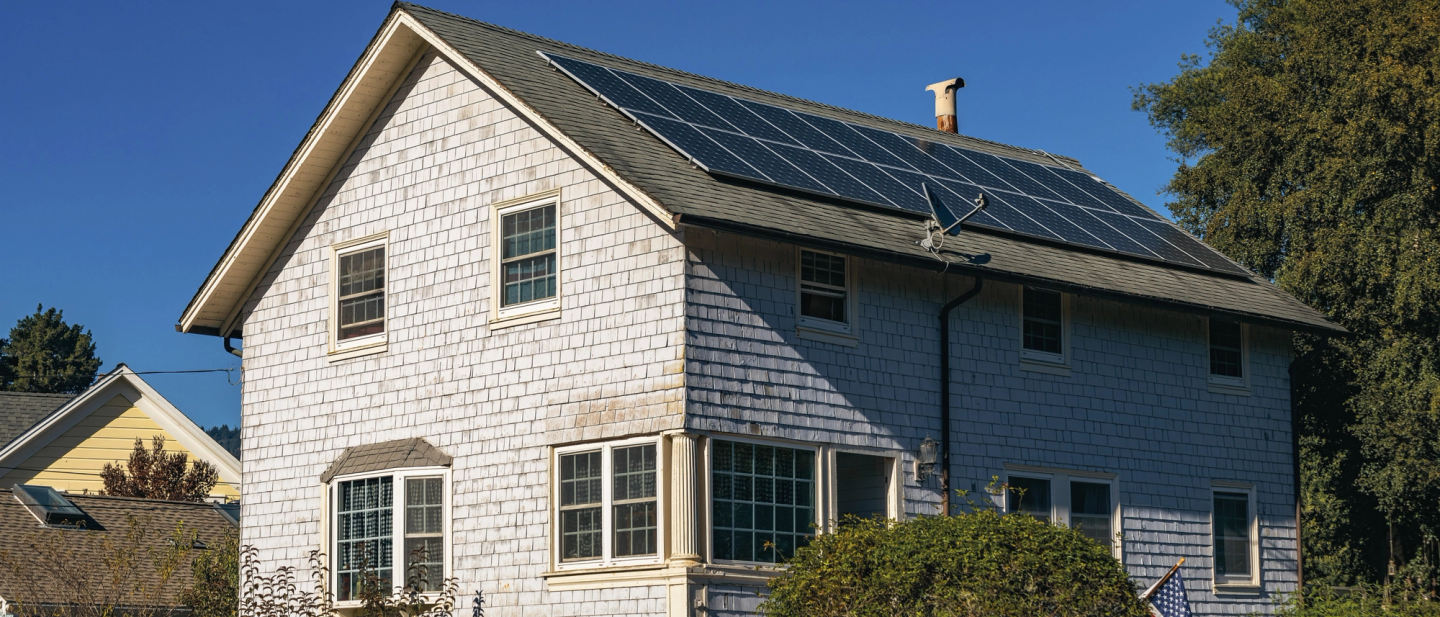
MNRE Country-Coded Model Numbers for Solar Modules: Confirmed vs Open
 Shashank·Founder·October 8, 2026·10 min read
Quick answer
Question | Short answer |
|---|---|
What is the MNRE country-coded model number rule? | A 1 October 2026 SOP requiring a four-character suffix, MMCC, on solar module model numbers registered with BIS. MM is the module's manufacturing country and CC is the cell manufacturing country, both as ISO two-letter codes. |
Who has to act? | Module manufacturers, with BIS and BIS-recognised test labs processing the changes. The SOP does not address EPCs or buyers. |
What is the deadline? | Existing BIS-registered models must get suffixed model numbers within 180 days of 1 October 2026, which is 30 March 2027 by our calculation. After that, BIS will not process non-compliant registration, inclusion or addition applications. |
Do existing modules need retesting? | Not where the change only deletes, restricts or separates already-approved cells. The original test report is reused after the lab verifies the revised BOM, and a supplementary report is issued. |
Does the suffix show DCR status? | The SOP does not say so. It never mentions DCR or ALMM. It only records the country of module and cell manufacture. |
Do installed or in-stock modules need relabelling? | Not addressed. The SOP covers new model numbers and registrations, and says nothing about stock already in the channel or modules already installed. |
Why this matters for Indian solar EPCs
The SOP is written for module manufacturers, BIS and test laboratories. EPCs are not named. But the module model number is the identifier that runs through EPC BOMs, purchase orders, datasheets and BIS certificates.
When that number changes, supplier documents and project documents can fall out of step. The SOP does not say how the transition is handled for modules already bought or in transit, so EPCs are left to manage that with suppliers.
This piece separates what the SOP confirms from what it leaves open. It stays on the module model-number rule. For the separate cell-naming draft, see the short comparison further down.
What the SOP requires
The Ministry of New and Renewable Energy (MNRE) issued the SOP on 1 October 2026 and posted it on its notices page on 5 October. It follows the Solar Systems, Devices and Components Goods Order, 2025, the quality control order notified on 27 January 2025. The SOP states that the order and the series approval guidelines of 19 December 2025 did not prescribe any model-number format, so manufacturers had been free to choose their own.
The new format is the original model number followed by a four-character suffix, MMCC:
- MM: the ISO 3166-1 alpha-2 country code of the country where the module manufacturing unit is located.
- CC: the ISO 3166-1 alpha-2 country code of the country where the solar cells in that bill of materials (BOM) are manufactured.
The suffix becomes an integral part of the model number for BIS registration, certification and later identification. For illustration only, here is how the suffix would read:
Module made in | Cells made in | Suffix |
|---|---|---|
India | India | ININ |
India | China | INCN |
Vietnam | India | VNIN |
Two rules govern mixed sourcing:
- Different cell countries. If a manufacturer has several BOMs under one original model number and the cells come from different countries, each BOM gets its own suffixed model number. A single suffixed model cannot cover cells from different countries.
- Several cell makers, one country. A model may use cells from more than one manufacturer if all of them are in the same country and the approved BOM identifies each cell manufacturer and its cell details.
How existing models are updated
Every BIS-registered module model must get one or more additional suffixed model numbers. The process runs through the existing BIS application and inclusion procedure.
Step | What happens |
|---|---|
1. Create the new number | The manufacturer creates an additional model number with the MMCC suffix |
2. Restrict the BOM | The manufacturer submits BOM details limiting the cells to the single country in the suffix |
3. Lab verification | The test lab checks the module location, the cell country and the revised BOM against the original test report |
4. Supplementary report | The lab issues a supplementary test report that references the original report |
5. BIS certificate | BIS issues a revised certificate or an addendum covering the new model numbers, subject to its requirements |
No fresh testing is needed where creating the new number only deletes, restricts or separates already-approved cells. That holds only if nothing is added or changed in the BOM, components, materials, manufacturing process or design. In those cases no testing fee is charged, apart from applicable charges for marking and documentation clauses. Where a new BOM is introduced, the existing retesting and series guidelines apply.
With the application, the manufacturer gives the lab the original test reports, the revised BOM, the cell model number (except for thin-film modules), the name and address of each cell manufacturer including country, and a declaration that all cells in that suffixed model come from the country in the last two characters.

Deadline and enforcement
The SOP sets two linked dates, both counted from the date of the office memorandum, 1 October 2026:
- Within 180 days: manufacturers of existing BIS-registered models must apply in good time to complete registration of the country-coded numbers.
- After 180 days: every application for registration, inclusion or addition of a module model must follow the new format, and BIS will not accept or process a new model that does not meet the model-number and BOM requirements.
The SOP gives no calendar date. Counting 180 days from 1 October 2026 gives 30 March 2027.
The complete country-coded model number must then appear consistently on the product label or marking as per the series guidelines, and on the test report, BIS certificate, module datasheet and any other document that declares a model number.
What is still open
Open item | What the SOP text says | Why it matters to EPCs |
|---|---|---|
Stock already in the channel | Not addressed | Old and new model numbers may sit side by side in procurement documents |
Installed or contracted modules | Not addressed | The SOP gives no rule for projects already supplied |
Link to DCR or ALMM | The SOP does not mention either | The suffix records manufacturing countries and is not a DCR certificate |
Checks by DISCOMs, state agencies or buyers | Not addressed | No verification procedure is described for anyone but BIS and labs |
Existing models left un-updated | Says BIS will not process non-compliant new applications | The text does not say what happens to an existing certificate if no suffixed model is created |
How this relates to the ALMM cell-naming draft
A separate MNRE office memorandum dated 5 October 2026 proposes a standard name for every solar cell model listed under ALMM List-II. It is a draft, posted on MNRE's notices on 6 October with comments invited. The two documents are separate instruments:
BIS module suffix (SOP) | ALMM cell naming (draft OM) | |
|---|---|---|
Date | 1 October 2026 | 5 October 2026 |
Status | Issued SOP | Draft, comments invited |
Product | Solar PV modules | Solar PV cells under ALMM List-II |
Registry | BIS registration | ALMM List-II |
Format | Model number plus MMCC | Brand name plus a 14-digit code |
What it records | Country of module and of cell manufacture | Domestic or foreign flags for polysilicon, ingot, wafer and cell, plus technology, wafer size and efficiency |
Timeline | 180 days for existing models | Existing enlisted models renamed within two months of the memorandum |
The draft adds that cell origin would also help separate ALMM List-I and List-I(a) modules based on the BOM. For how ALMM List-II works today, see our guide to non-DCR panels after June 2026.
What EPC teams should do now
Step | Action |
|---|---|
1. Ask suppliers for suffixed numbers | Request the MMCC model number and the BIS certificate or addendum for each module you buy |
2. Match your documents | Check that the label, datasheet, BIS certificate and test report show the same full model number |
3. Split BOM lines | Record modules with different cell countries as separate model numbers |
4. Keep DCR checks separate | Verify ALMM and DCR status as you do today |
5. Get the stock position in writing | Ask suppliers how pre-suffix stock and in-transit modules will be documented |
Where 3D design and automated BOMs fit in
A design tool cannot register a model with BIS, issue a certificate or decide how a supplier labels its stock. Those sit with manufacturers, labs and BIS.
What a project record can do is hold the exact module model number, not a generic panel description. When suppliers start issuing suffixed numbers, that detail is what lets a team see which projects used which model.
Reslink supports mobile site and roof mapping, automatic panel placement, live 3D revisions, and automated electrical and structural BOMs.
See the full workflow → Book a demo
Frequently Asked Questions
Q1. What does a suffixed model number look like?
A module assembled in India with cells made in China would carry INCN after the original model number, for example the original number followed by INCN. The example is illustrative. The SOP prescribes the format, not specific model names.
Q2. Can a model use cells from several suppliers?
Yes, if every cell manufacturer is in the same country and the approved BOM identifies each cell manufacturer and its cell details.
Q3. Will BIS issue a new certificate?
Subject to its requirements being met, BIS issues a revised certificate or an addendum to the existing certificate that includes the newly created model numbers.
Q4. Where must the full model number appear?
On the product label or marking as per the series guidelines, and on the test report, BIS certificate, module datasheet and any other document where a model number is declared.
Q5. Which law is the SOP issued under?
The Solar Systems, Devices and Components Goods Order, 2025, notified on 27 January 2025. It requires solar modules to conform to Indian Standards and bear the BIS Standard Mark, with BIS as the certification and enforcement authority.
Q6. Does the SOP cover thin-film modules?
It applies to solar PV modules generally. Thin-film modules are exempt only from supplying a solar cell model number to the test lab.
Q7. Is the 14-digit cell code part of this SOP?
No. The 14-digit code is a separate draft for ALMM List-II cell models, and it is still open for comments.
Final takeaway
MNRE's SOP makes the module model number carry its manufacturing story: module country and cell country, in four characters. The mechanics for manufacturers are clear. Existing models get suffixed numbers by about 30 March 2027, mostly without retesting, and BIS stops processing non-compliant applications after that.
What the SOP leaves open is the buyer side: stock, installed modules, DCR and verification. For EPCs, the practical work is document matching and supplier confirmation, not certification.
You May Also Like
- Non-DCR Solar Panels After June 2026: What's Actually Banned, What's Still Allowed
- MNRE Solar Module Warranty SOP 2026
Sources
- Standard Operating Procedure (SOP) for Updating Model No. of Solar PV Modules in BIS Registration, MNRE, dated 1 October 2026: suffix format, existing-model process, testing rules, 180-day provisions, label and document use
- Draft Standardized nomenclature for Solar PV Cell Models under ALMM List-II, MNRE office memorandum, 5 October 2026: 14-digit cell code, renaming timeline
- Current Notices, MNRE: posting date of the SOP
Rules, deadlines and formats can change through later MNRE or BIS notices. Recheck the latest MNRE notice and your supplier's BIS certificate before relying on any model number.
Related Articles

Warm Homes Loan Scheme: Launch Status, Caps, MCS Rules
Warm Homes Loan Scheme launch status: no lender named yet. £15,000 solar and battery caps, MCS-certified installers only, grant paid in arrears.
PM Surya Ghar 50 Lakh: Can It Hit the December Target
MNRE confirmed 50.06 lakh households on September 1. The real gap to the 75 lakh December target, state by state, and what it means for EPCs.
Karnataka Solar Tariffs 2026-29: Net Metering, BESS Rules
KERC's new DSPV framework, notified August 2026: 1 MW net-metering cap, no mandatory storage, and domestic vs non-domestic tariffs through June 2029.