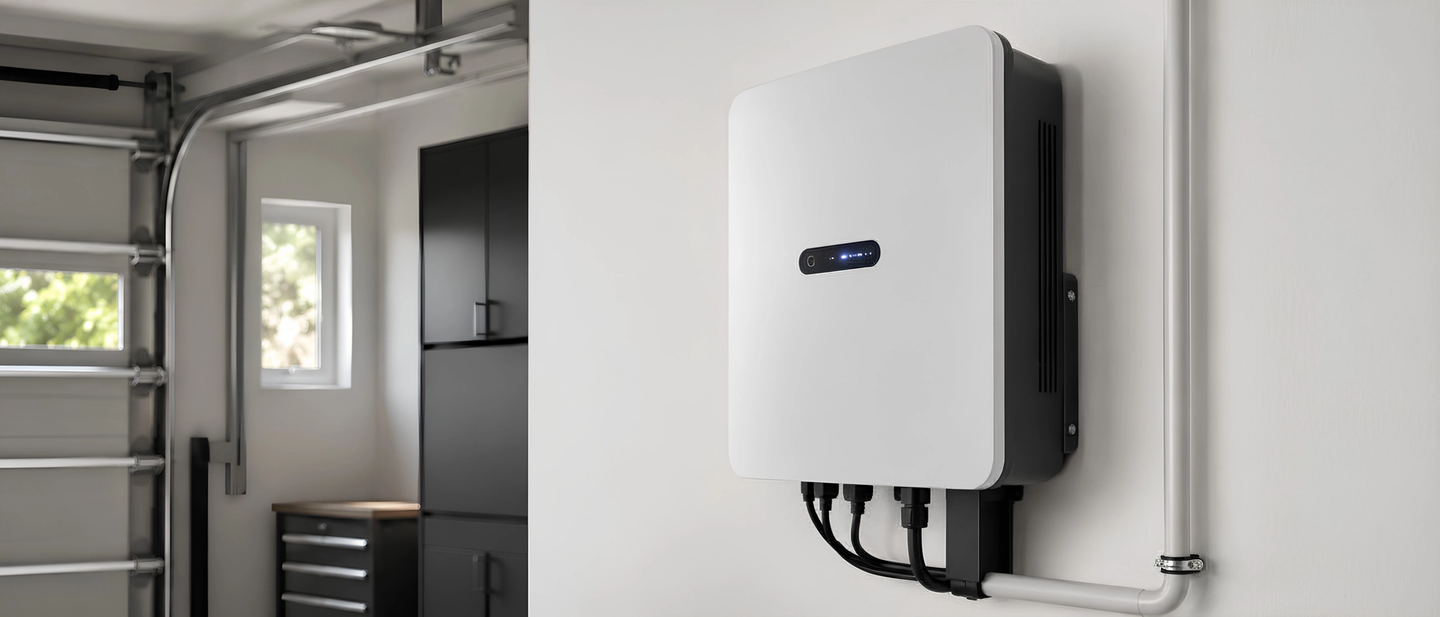
CSIP-AUS Solar Compliance 2026: What Every Australian EPC Must Know
What CSIP-AUS Is and Why It Exists
CSIP-AUS stands for Common Smart Inverter Profile Australia. It is a communications protocol based on IEEE 2030.5 that enables electricity distribution networks to send instructions to, and receive data from, rooftop solar inverters and battery systems in near real time. The protocol allows a Distribution Network Service Provider (DNSP) to issue commands such as reducing or pausing solar exports during periods when the grid cannot absorb the output of its distributed solar fleet.
The mechanism it enables is called the Emergency Backstop Mechanism (EBM). The EBM is a last-resort safeguard for rare grid conditions called Minimum System Load events, which occur on mild, sunny days when rooftop solar exports push generation beyond the grid's capacity to safely absorb it. Under normal operating conditions, the EBM will not affect a system's daily generation or export. Under stress conditions, the DNSP can send a temporary instruction to reduce or pause exports. Without CSIP-AUS, the network cannot communicate that instruction to the inverter at all.
Australia's grid now has one of the highest penetrations of rooftop solar of any electricity system in the world. The EBM and CSIP-AUS are the technical infrastructure that allows continued solar installation growth without creating grid instability. Understanding CSIP-AUS is no longer optional for EPCs working in any Australian state.
CSIP-AUS Compliance Status: State by State
South Australia (Mandatory since 2023)
SA has offered Flexible Exports since 2021. CSIP-AUS mandatory for all inverters from July 2023. SA Power Networks used to run its own CSIP-AUS testing service, which closed in Q4 2025 with testing handed to ANU.
Scheduled test, August 25, 2026: SA Power Networks is running its annual Emergency Backstop Mechanism test on Tuesday, August 25, 2026. Around 100,000 South Australian rooftop solar systems will have exports curtailed for up to an hour, an estimated 1.5 kWh generation loss per system. This is a routine, once-a-year compliance exercise, not an emergency, and normal export resumes automatically once the test ends. SA Power Networks describes it as "like a fire drill for the grid."
Victoria (Mandatory since Oct 2024)
Emergency Backstop Mechanism enabled by CSIP-AUS has been mandatory for all new solar systems installed from October 2024. Solar Victoria's approved inverter product list (updated June 2, 2026) requires full IEEE 2030.5 compliance.
New South Wales and ACT (Staged rollout from mid-2026)
Emergency Backstop Mechanism with CSIP-AUS is being introduced progressively by LGA and postcode from June 2026, with full rollout completing October to December 2026. NSW Government CER Installer Portal launches alongside. DNSPs covered: Ausgrid, Endeavour Energy, Essential Energy, plus ACT via Evoenergy.
Queensland (Opt-in since 2022)
Dynamic Connections offered as an opt-in connection option since late 2022. Not yet mandated for all new installations. CSIP-AUS available through participating networks.
Western Australia (Preferred from 2025)
Synergy using CSIP-AUS for VPP orchestration, emergency backstop, and export management from 2025. CSIP-AUS promoted as preferred protocol under WA's interoperability statement but not strictly mandated. New May 2026 rules require inverters to support remote disconnection or accept a 1.5 kW export cap.
Other States and Territories (Varies by DNSP)
Northern Territory, Tasmania, and other regions have varied DNSP requirements. Verify current requirements with the relevant network operator for any project outside the states listed above.
The October 1, 2026 Re-Certification Deadline EPCs Must Know
CSIP-AUS v1.2, formalised as TS5573:2025, is the current mandatory standard. The previous version, CSIP-AUS v1.1a (HS218:2023), has a hard re-certification deadline: all inverter products currently certified only to v1.1a must re-certify to v1.2 by October 1, 2026. After that date, inverters holding only v1.1a certification are not eligible for network connection in jurisdictions requiring v1.2.
This deadline has a direct implication for EPCs specifying inverter hardware. An inverter that appears on the Clean Energy Council approved list today may be certified to v1.1a, not v1.2. A project designed, tendered, and contracted now may have its equipment delivered in September or October, after the October 1 re-certification deadline has passed. If the inverter in the delivered package is v1.1a only and has not yet completed re-certification, the network connection process will be delayed.
Practical check for every project tender: Before specifying any inverter for an Australian solar project in 2026, verify that the specific model is certified to CSIP-AUS v1.2, not just v1.1a. The CEC maintains a dedicated list of CSIP-AUS v1.2 certified inverters at cleanenergycouncil.org.au. Do not rely on a general "CSIP-AUS compliant" label without confirming the version.
What the NSW and ACT Emergency Backstop Mechanism Requires from EPCs
From mid-2026, NSW and ACT are progressively rolling out the requirement for all new and upgraded rooftop solar systems under 200 kW to be backstop-enabled. The NSW Government has confirmed a staged approach by LGA and postcode: new processes apply to some areas from June 2026, with all areas covered by October to December 2026. This means the inverter must be CSIP-AUS compliant and must be registered through the new NSW Government CER Installer Portal.
CSIP-AUS v1.2 inverter required
The inverter must support CSIP-AUS v1.2 (TS5573:2025) and must have a valid NEPKI (National Energy Public Key Infrastructure) certificate. NEPKI is the secure certificate infrastructure that allows encrypted communication between the inverter and the network's utility server. All electricity networks in NSW, Victoria, SA, ACT, and Queensland that use CSIP-AUS have engaged NEPKI as their certificate provider. An inverter that supports CSIP-AUS but has not completed NEPKI onboarding is not fully compliant for NSW network connection.
Reliable internet is a physical requirement
CSIP-AUS operates over the internet, with the network sending export-control commands every five minutes and the inverter returning telemetry data confirming compliance. This means reliable internet connectivity at the installation site is a physical requirement, not a recommendation. For sites that lack reliable connectivity at the time of installation, the inverter must still be CSIP-AUS compliant, but a low static export limit must be configured by the installer at the point of installation. This limit remains in effect until reliable connectivity is established.
The CER Installer Portal is mandatory for registration
From mid-2026, all solar and battery installers in NSW must use the NSW Government's Consumer Energy Resources (CER) Installer Portal to register every new installation. This portal replaces manual entry into AEMO's Distributed Energy Resources (DER) Register. The portal creates a single registration process across all three NSW distribution networks and automatically confirms the system meets national technical standards. Embedded network installations are exempt from the Emergency Backstop Mechanism itself but must still use the portal for registration once it launches.
What happens if you install a non-compliant inverter in an area where the rollout has already gone live: Once the EBM requirement is active in a given LGA or postcode, a non-compliant inverter will not meet network connection requirements for that area. Replacing the inverter after site delivery means additional cost, additional labour, and a delay to commissioning. Given the rollout reaches all NSW and ACT areas by October to December 2026, any project with a commissioning date in late 2026 or beyond should be specified with CSIP-AUS v1.2 compliance as standard, regardless of which LGA it is in.

How to Verify Inverter Compliance
The Clean Energy Council (CEC) maintains three relevant resources that EPCs should check before specifying any inverter for an Australian project in 2026:
- CEC Approved Inverter List: The main list at cleanenergycouncil.org.au/industry-programs/products-program/inverters confirms which inverters have current CEC approval and shows whether a Software Communication Client (SCC) is included in the listing.
- CSIP-AUS v1.2 Certified Inverters List: A separate, dedicated list at cleanenergycouncil.org.au/industry-programs/products-program/inverters/approved-inverters-csip-aus-v1-2 shows specifically which models are certified to v1.2. This is the definitive check for NSW mid-2026 compliance and for any project that will be in progress when the October 1 re-certification deadline passes.
- CSIP-AUS.org Certification Register: The primary CSIP-AUS standards body at csipaus.org maintains its own register of certified products. Cross-reference this with the CEC list for any model where v1.2 compliance is uncertain.
When in doubt, contact the inverter manufacturer directly and request written confirmation of CSIP-AUS v1.2 certification and NEPKI onboarding status before including the model in any project specification.
What This Means for EPCs Across All Australian States
The practical implication is that CSIP-AUS compliance is no longer a state-by-state exception to be managed per project. It is now the baseline standard for any professional solar EPC operating anywhere in Australia. South Australia has required it since 2023. Victoria since October 2024. NSW and ACT from mid-2026. Western Australia is moving toward it. The direction is clearly toward national standardisation.
EPCs who build CSIP-AUS v1.2 compliance into their standard inverter specification and procurement checklist now will not have to manage it as a special case for each state. Those who continue to manage it project-by-project risk a non-compliant specification reaching site in a state where the mandate has quietly taken effect. Reslink's solar design and proposal workflow integrates the CEC approved inverter list, so inverters specified in the design automatically carry CEC approval status, and proposal documentation reflects the correct technical specification for the network area.
Frequently Asked Questions
Q1. What is CSIP-AUS and which Australian states require it?
CSIP-AUS (Common Smart Inverter Profile Australia) is a communications protocol based on IEEE 2030.5 that enables electricity networks to send export-control instructions to solar inverters and battery systems. South Australia has mandated it since July 2023. Victoria has mandated it for all new installations since October 2024. NSW and ACT are progressively introducing the requirement from mid-2026, staged by LGA and postcode, with universal coverage expected by October to December 2026. Western Australia uses CSIP-AUS through Synergy as a preferred protocol for VPP orchestration and export management from 2025. Queensland offers it as an opt-in option. The trajectory is toward national standardisation, meaning EPCs should treat CSIP-AUS v1.2 as the baseline specification for all Australian projects regardless of state.
Q2. What is the difference between CSIP-AUS v1.1a and v1.2?
CSIP-AUS v1.1a (formalised as HS218:2023) was the previous version of the standard. CSIP-AUS v1.2 (formalised as TS5573:2025) is the current mandatory version. The key difference for EPCs is the certification deadline: products certified only to v1.1a must re-certify to v1.2 by October 1, 2026, or they will not meet network connection requirements in jurisdictions requiring v1.2. The re-certification is handled by the Australian National University (ANU) testing and certification service, which launched in October 2025. The CEC lists all v1.2 certified products on a dedicated page at cleanenergycouncil.org.au. The CEC waives its $1,000 re-certification administration fee for applications submitted before July 1, 2026. After that date, the fee applies per application.
Q3. Does the Emergency Backstop Mechanism affect daily solar output?
No, under normal operating conditions. The Emergency Backstop Mechanism is a last-resort safeguard designed for rare grid emergency conditions called Minimum System Load events, which occur on mild, sunny days when distributed solar exports push generation beyond what the grid can safely absorb. During these events, the distribution network can send a temporary instruction to reduce or pause solar exports. Outside of these rare emergency periods, the CSIP-AUS protocol does not affect the system's generation, self-consumption, or export performance. The system will still produce electricity, still reduce the customer's bill, and still export normally. The backstop mechanism gives the network a safety valve for extreme conditions, not a routine management tool.
Q4. What happens if an installation site in NSW has no reliable internet?
CSIP-AUS operates over the internet and requires an active connection for the network to send commands to the inverter. Where a premises lacks reliable internet connectivity, the inverter must still be CSIP-AUS compliant hardware, but the installer must configure a low static export limit at the point of installation. This limit, specified within the connection agreement for that site, will apply until reliable connectivity is available. The Ausgrid installer guide for NSW confirms this requirement: embedded network installations are exempt from the Emergency Backstop Mechanism but must still register through the NSW CER Installer Portal once it launches. For rural or remote sites, EPCs should assess internet connectivity at the site survey stage and confirm with the DNSP which static export limit will apply if dynamic CSIP-AUS communication is not possible.
Q5. How do I check if an inverter is CSIP-AUS v1.2 certified?
The Clean Energy Council maintains a dedicated list of inverters certified to CSIP-AUS v1.2 at cleanenergycouncil.org.au/industry-programs/products-program/inverters/approved-inverters-csip-aus-v1-2. This is the definitive reference for NSW mid-2026 compliance and for any project that will be in progress as the October 1, 2026 re-certification deadline approaches. Cross-reference with the primary CSIP-AUS standards body at csipaus.org for any model where certification status is uncertain. When specifying inverters for any Australian project in 2026, check specifically for v1.2 certification and NEPKI onboarding status, a general CSIP-AUS label without a version number may refer to v1.1a only, which will not meet the October 1 deadline.
Q6. Does CSIP-AUS apply to battery systems as well as solar inverters?
Yes. CSIP-AUS governs communication for all consumer energy resources (CER) connected to the grid, which includes battery energy storage systems as well as solar inverters. Hybrid inverters that manage both solar generation and battery storage require CSIP-AUS v1.2 certification covering both functions. The ANU testing service, which launched in October 2025, tests both solar inverters and battery storage communication clients against the v1.2 standard. Solinteg was confirmed as the first manufacturer to achieve full CSIP-AUS v1.2 certification for a hybrid inverter portfolio in early 2026. EPCs specifying solar-plus-battery systems in Australian states with CSIP-AUS mandates must verify compliance for the complete system configuration, not just the solar inverter in isolation.
Q7. Why was my South Australian solar system briefly switched off on August 25, 2026?
SA Power Networks ran its scheduled annual test of the Emergency Backstop Mechanism on that date, curtailing exports from around 100,000 rooftop solar systems for up to an hour to confirm the system responds correctly if a real Minimum System Load emergency occurs. This is a routine compliance exercise required at least annually, not a sign of a grid problem or a fault with your system. Export automatically returns to normal once the test window ends. If your system did not curtail as expected during the test, contact your installer, this may indicate a CSIP-AUS compliance issue worth resolving before an actual emergency event.
You May Also Like
- US Solar ITC Deadline July 4 2026: EPC Action Guide
- Germany Solar and Battery Storage 2026: What the Solar Peak Act Changes for EPCs
- Brazil Solar Curtailment 2026: What EPCs Must Know Before Their Next Project
Sources
- CSIP-AUS Primary Standards Body — csipaus.org/about — State-by-state CSIP-AUS deployment status confirmed; SA mandatory July 2023; Victoria mandatory October 2024; NSW/ACT mandatory mid-2026; WA Synergy from 2025; QLD opt-in since 2022
- Clean Energy Council — CSIP-AUS and Approved Inverters (Primary) — cleanenergycouncil.org.au — v1.1a re-certification to v1.2 deadline October 1, 2026; NEPKI onboarding requirement; $1,000 fee applies from July 1, 2026; fee waived before July 1; certification typically 4-6 weeks; ANU process confirmed
- Clean Energy Council — CSIP-AUS v1.2 Certified Inverters List (Primary) — cleanenergycouncil.org.au — v1.2 certification list; TS5573:2025 standard; current mandatory standard, with v1.1a products required to re-certify by October 1, 2026
- ANU Centre for Energy Systems — CSIP-AUS Certification (Primary) — energysystems.anu.edu.au — National testing service launched October 2025; Solinteg confirmed as first manufacturer to achieve full CSIP-AUS v1.2 certification (February 2026); witness testing process confirmed
- NSW Government Energy — Emergency Backstop Mechanism (Primary) — energy.nsw.gov.au — "From mid-2026, solar installers must make all new and upgraded rooftop solar systems backstop-enabled." Staged rollout by LGA/postcode confirmed: Jun-Sep 2026 some areas, Oct-Dec 2026 all areas, Jan 2027 steady state. Source: NSW Government industry webinar presentation, November 2025.
- Ausgrid — NSW Emergency Backstop Mechanism (Primary DNSP) — ausgrid.com.au — NSW EBM staged rollout mid-2026 confirmed; internet connectivity and static export limit requirements; CER Installer Portal launch confirmed
- Solar Victoria — Inverter Product List (Primary State Government) — solar.vic.gov.au — Victoria mandatory CSIP-AUS from October 2024; IEEE 2030.5 compliance required; product list updated June 2, 2026
- CSIP-AUS.org — Certification Process (Primary) — csipaus.org/certification — ANU testing and certification service; v1.2 mandatory via TS5573:2025 from July 2026; SA Power Networks testing service closed Q4 2025
- SA Power Networks — Solar Curtailment Test (Primary) — sapowernetworks.com.au
- Annual Emergency Backstop Mechanism test confirmed for August 25, 2026, approximately 100,000 systems affected, curtailment up to one hour
Related Articles
US Interconnection Queue 2026: Solar and Storage Wait Times
Berkeley Lab's 2026 data: 2,061 GW queued, 61 months to operation, and 1 to 5 MW solar at 45 months on the distribution grid. What EPCs face.
Solar & Storage Live UK 2026: EPC Guide
NEC Birmingham, September 22-24. Confirmed speakers, six conference tracks, and the live grid-connection fight EPCs should actually watch.

Solar Design Software for EPCs in Botswana
Botswana's Rooftop Solar Programme runs through BPC. What EPCs need for compliance, and how Reslink fits a market just getting started.