
Solar Proposal Template 2026 for EPCs
Why a Modern Solar Proposal Template Matters for EPC Growth
The solar market continues to evolve at pace. Commercial solar carports, for example, are projected to grow about 12 % per year from 2027 through 2030, according to industry forecasts. That growth creates a strong incentive for EPCs to capture new business quickly and efficiently. A well‑structured proposal reduces the time spent on repetitive data entry, allowing engineers to focus on site‑specific design work that differentiates a bid.
Typical carport projects are about half a megawatt in capacity, stand roughly 25 feet tall and require around 100 cubic yards of concrete, equivalent to ten truckloads. Surface parking alone accounts for more than 5 % of US urban land, a footprint larger than the combined area of Rhode Island and Delaware. These numbers illustrate the scale of opportunity and the substantial material and civil‑engineering effort involved. EPCs that underestimate site‑specific risk, soil conditions, concrete volume, or structural load, can see margins disappear overnight.
Practical tip: Treat the proposal template as a living repository. Update cost tables, regulatory references and performance assumptions each quarter so the document reflects the latest market data and avoids costly re‑work later.
The rapid expansion of niche markets such as carports means EPCs must be able to generate accurate, compliant bids on short notice. A standard template that incorporates the latest growth forecasts, typical project dimensions and risk‑mitigation checklists gives you a competitive edge.
Historically, many EPCs relied on static spreadsheet‑driven proposals that required manual updates every time a cost component changed. According to PV Magazine, the industry has increasingly moved toward cloud‑based proposal platforms, enabling faster updates, collaborative review, and version control across geographically dispersed teams. This shift has shortened bid preparation cycles and reduced the risk of inconsistent data entering the proposal package.
In parallel, regulatory expectations have tightened. The SOLAR 2026 Summit briefing emphasized newer interconnection criteria that call for a more detailed grid impact analysis as part of the permitting package. EPCs that embed these updated compliance checks directly into their template avoid costly redesigns during the utility approval stage and keep projects on schedule.
Step‑by‑Step Guidance to Build a 2026‑Ready Solar Proposal
Below is a recommended sequence of sections. Tailor each to the client’s geography, technology stack and financing model, but keep the overall structure consistent.
Executive Summary
- One‑page snapshot of the project’s purpose, capacity, location and key financial metrics.
- Highlight the unique value proposition, e.g., faster commissioning, lower LCOE, or proven car‑port expertise.
Project Overview
- Site description, ownership, land‑use rights and any relevant permitting status.
- Include a short map or satellite image (no need for proprietary GIS data).
Technical Design
- Module layout, inverter selection, mounting system and civil works.
- For car‑port proposals, embed the typical dimensions (0.5 MW, 25 ft height, 100 cubic yards concrete) to justify civil‑engineering estimates.
- Reference any design standards or local building codes that apply.
Performance Modeling
- Expected energy yield using a recognized simulator (e.g., PVSyst, SAM).
- Include degradation assumptions, temperature coefficients and shading analysis.
Financial Model
- Capital expenditure breakdown, O&M costs, financing structure and projected cash flows.
- Show sensitivity to key variables such as steel price swing or solar module cost.
Risk Mitigation & Guarantees
- List site‑specific risks (soil, buried utilities, steel price volatility) and mitigation actions.
- Provide performance guarantees, warranty terms and insurance coverage.
Regulatory & Compliance Checklist
- Permits, grid‑connection studies, environmental clearances.
- Cite any recent policy updates that affect the project’s eligibility.
Project Schedule
- Milestone‑driven Gantt style timeline from engineering to commercial operation.
- Include contingency buffers for civil‑engineering approvals.
Appendices
- Detailed equipment data sheets, vendor certifications and any relevant third‑party studies.
Each section should be modular so that it can be reused across multiple proposals. When a new client request arrives, simply replace the site‑specific details and the template populates the rest.
Common Mistakes That Can Derail Your Bid
- Skipping Soil and Geotechnical Verification – Carport projects are especially vulnerable to foundation failures. Ignoring a geotechnical study can cause design revisions that erode margins after the bid is submitted. The industry survey notes that 58 % of carport participants had completed fewer than two projects, underscoring the expertise gap.
- Hard‑Coding Cost Assumptions – Steel, concrete and module prices fluctuate. Embedding a single price point without a sensitivity analysis leads to budget overruns.
- Omitting Permit Status – Delivering a proposal that assumes a permit will be granted often results in client disappointment when approvals stall.
- Overcrowding the Document – Excessive technical detail in the executive summary obscures the key business case. Keep the summary concise and focus on ROI.
- Using Out‑of‑Date Templates – Market growth rates, regulatory thresholds and equipment specifications change annually. An outdated template can produce non‑compliant bids.
Avoiding these pitfalls starts with a disciplined template that forces the proposal team to answer each risk question before finalizing the document.
Tools and Workflows That Accelerate Proposal Development
- Qwilr Solar Installation Proposal Template (2026 Edition) – A cloud‑based platform that provides a branded, responsive proposal layout. The template includes predefined sections matching the structure above, allowing you to drop in project data and generate a polished PDF in minutes. **
- GreenSketch AI 3.0 – An artificial‑intelligence engine that automates layout design and battery sizing calculations. It can produce a first‑draft technical design based on a handful of site inputs, cutting design time by up to 30 %. **
- Project Management Software (e.g., MS Project, Asana) – Use task templates aligned with the proposal sections to track completion dates and owners.
- Financial Modeling Spreadsheets with Version Control – Store cost tables in a shared drive and link them to the proposal template so updates propagate automatically.
- Collaborative Review Platforms – Teams can comment directly on the live proposal document, ensuring that legal, finance and engineering sign‑off happen in a single workflow.
Integrating these tools into a repeatable workflow reduces manual entry, improves data consistency and shortens the overall bid cycle.
What EPCs Must Do Now
- Adopt the 2026 template – Download the Qwilr Solar Installation Proposal Template and map your internal data sources to its fields.
- Update cost libraries – Refresh steel, concrete and module price tables for the current quarter.
- Run a geotechnical risk audit – For any car‑port or large‑scale ground‑mount project, schedule a soil test before finalizing the civil design.
- Train the bid team on GreenSketch AI – Allocate a half‑day workshop to familiarize engineers with AI‑driven layout generation.
- Set up a quarterly review cycle – Assign ownership for regulatory updates and ensure the template reflects the latest standards.
Supporting Information
Market Growth Indicators
- Commercial solar carports are expected to expand at roughly 12 % annually from 2027‑2030, creating an attractive pipeline for EPCs. **
- Typical carport projects involve 0.5 MW capacity, 25 ft height and 100 cubic yards of concrete, highlighting the substantial civil‑engineering effort required. **
- Surface parking represents more than 5 % of US urban land, a footprint larger than Rhode Island and Delaware combined, underscoring the scale of untapped space for solar integration. **
Regulatory Updates
- The SOLAR 2026 Summit briefing highlighted updated interconnection criteria, urging EPCs to embed a detailed grid‑impact analysis in the permitting package. This addition helps avoid delays during utility review. **
- EPCs should verify compliance with the latest interconnection standards published by local utilities and grid operators, as referenced in the Summit materials. Regularly reviewing these documents ensures proposals remain compliant throughout the project lifecycle.
Technology Resources
- GreenSketch AI 3.0 claims to fast‑track solar and battery install design, cutting design cycles and improving proposal accuracy. **
- Qwilr’s 2026 edition provides a fully editable proposal framework that aligns with industry expectations for clarity and visual branding. **
Implementation note: Reslink’s proposal generation module can ingest the Qwilr template structure, automatically populating technical specifications and financial tables, which further reduces manual effort and the risk of data entry errors.
Frequently Asked Questions
Q1. What key sections should a solar proposal include in 2026?
A complete proposal should contain an executive summary, project overview, technical design, performance modeling, financial model, risk mitigation, regulatory checklist, project schedule and appendices. This structure ensures that decision‑makers see the business case up front while engineers can verify the technical feasibility in later sections.
Q2. How often should I update my cost assumptions?
Cost tables for steel, concrete, modules and labor should be refreshed at least quarterly. Market volatility, especially in steel prices, can change the project economics dramatically within a few months, and many EPCs lose margins when they rely on stale figures.
Q3. Why is a geotechnical study critical for car‑port proposals?
Car‑port structures involve heavy concrete foundations and taller steel frames. Soil variability can affect bearing capacity, leading to redesign or additional reinforcement. The industry survey shows that insufficient soil data is a common cause of margin erosion in car‑port projects.
Q4. Can AI tools really reduce design time?
GreenSketch AI 3.0 uses machine‑learning algorithms to generate layout options and battery sizing based on site constraints. Early adopters report up to a 30 % reduction in manual drawing time, allowing engineers to allocate more effort to optimization rather than initial layout.
Q5. How does the Qwilr template improve client perception?
Qwilr provides a responsive, visually appealing format that works on desktop and mobile devices. Clients receive a professional, branded document that combines text, graphics and interactive calculators, which helps convey credibility and technical depth.
Q6. What regulatory checks are most often missed?
EPCs frequently overlook local building code updates related to wind loading for tall car‑port structures. Missing this check can trigger redesign during the permitting stage, delaying the project and increasing costs.
Q7. How can I ensure my proposal stays compliant with evolving standards?
Implement a quarterly compliance audit that reviews the regulatory checklist against the latest government publications and industry standards. Assign a compliance officer to track updates from agencies such as the IEC, local building departments and grid operators.
Q8. Where can I find a ready‑made solar proposal template for 2026?
The Qwilr Solar Installation Proposal Template (2026 Edition) is available online and matches the recommended section structure. It can be customized with your branding and linked directly to your cost libraries for automatic data population. **
Q9. How should I keep my proposal template aligned with the newest interconnection standards?
Regularly review the interconnection guidelines released by the local utility and grid operator, as emphasized in the SOLAR 2026 Summit briefing. Incorporate a dedicated checklist item for the latest grid‑impact analysis requirements, and update the template whenever the utility publishes revisions. This practice prevents costly retrofits during the permitting stage and keeps the bid schedule on track. **
Sources
- PV Magazine, “How EPCs can de‑risk solar carport projects” (2026‑07‑13) – provides growth rate, typical carport dimensions and market size data. URL: https://www.pv-magazine.com/2026/07/13/how-epcs-can-de-risk-solar-carport-projects
Related Articles
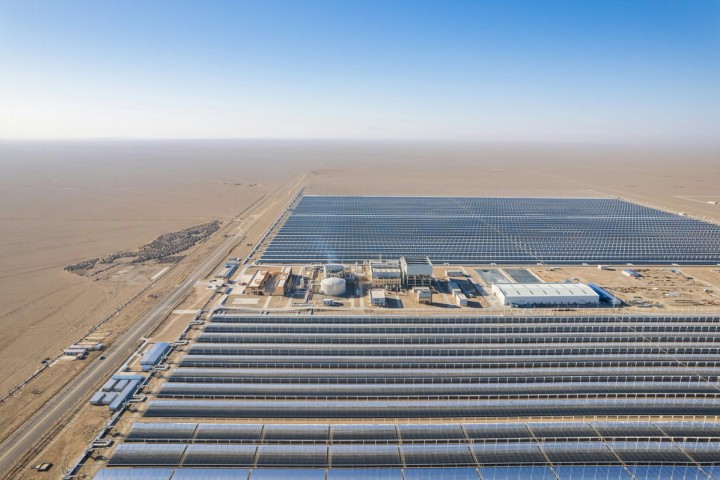
400 MW Solar EPC Contract Rajasthan – What EPCs Need to Know
Discover how HARTEK's 400 MW Rajasthan EPC award shapes financing, procurement, and regulatory steps for large‑scale solar projects in India.
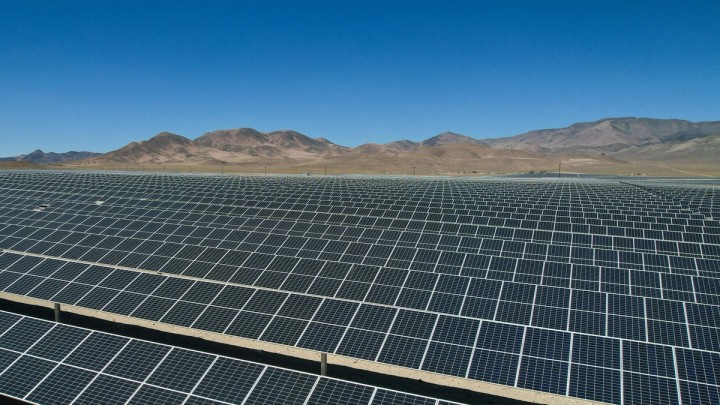
Utility Scale Solar Farm Cost Per MW – 2026 Guide
2026 guide explains how EPCs calculate utility‑scale solar farm cost per MW, key cost drivers and practical steps for accurate proposals
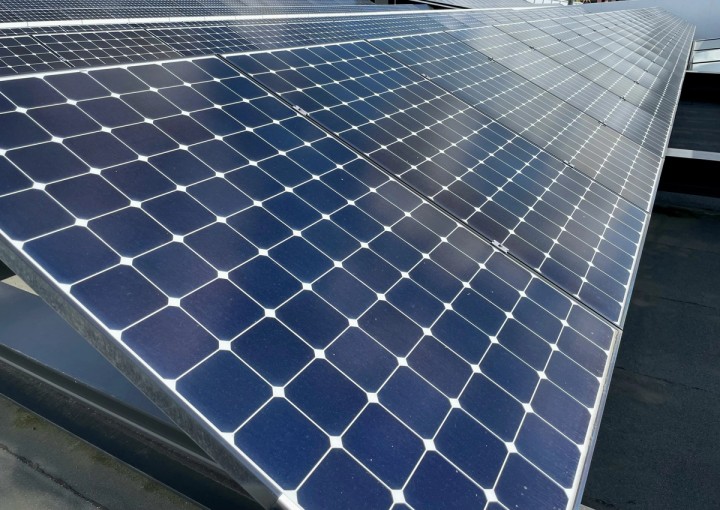
Solar Panel Degradation Rate Real World in 2026
Understand the 2026 real-world solar panel degradation rate, industry benchmarks and how EPCs must plan for performance guarantees.