Solar Mounting Structure Types: How Indian EPCs Choose the Right One
Question | Answer |
|---|---|
What are the main types? | RCC roof mount, metal shed mount, ground mount, carport, and tracker. |
Which material should I use? | GI for budget inland jobs, hot dip galvanised for most projects, aluminium for lightweight rooftops, stainless for coastal. |
What wind code applies in India? | IS 875 (Part 3):2015. Basic wind speeds run from 33 m/s inland to 55 m/s in cyclone zones. |
What galvanising thickness is standard? | Minimum 80 microns hot dip, per IS 4759. |
Does structure choice affect generation? | Yes. Tilt, orientation and module-to-roof gap all sit with the structure, not the panel. |
What are the five types of solar mounting structure?
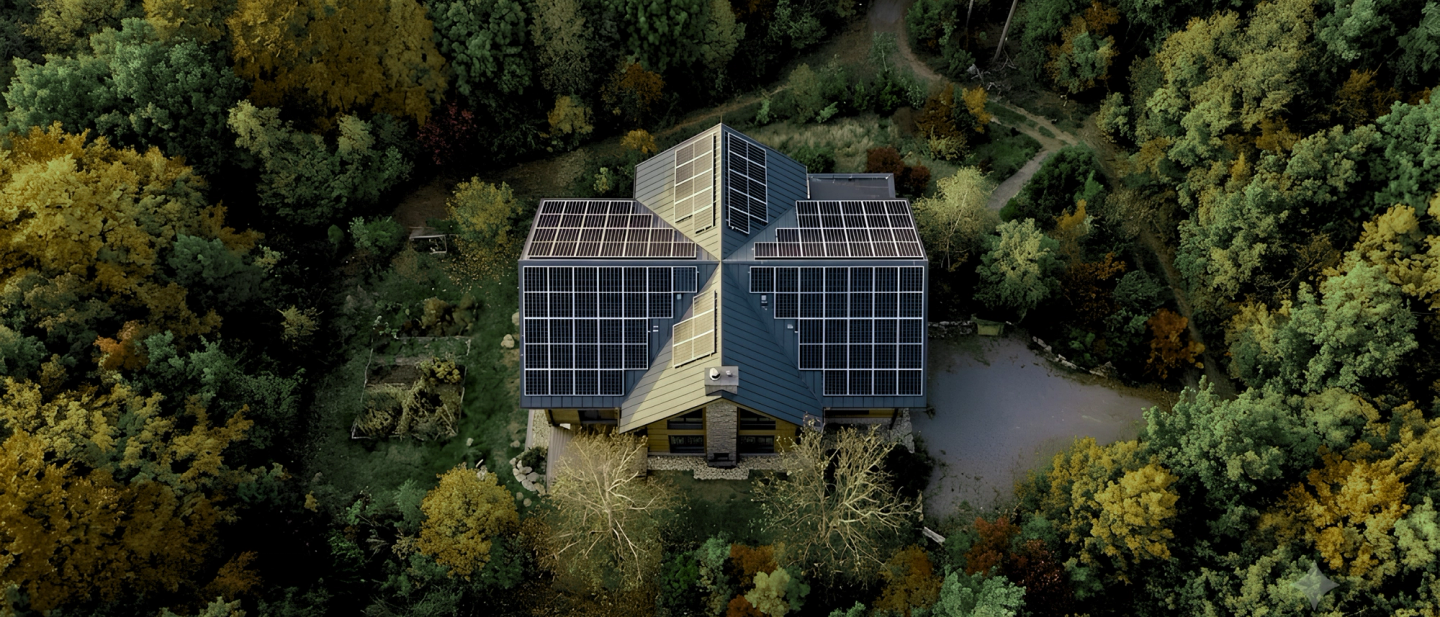
RCC roof mount. Concrete rooftops, residential and small commercial. Shortest cable runs, lowest cost. Requires roof penetration, so waterproofing at the anchor points is the risk
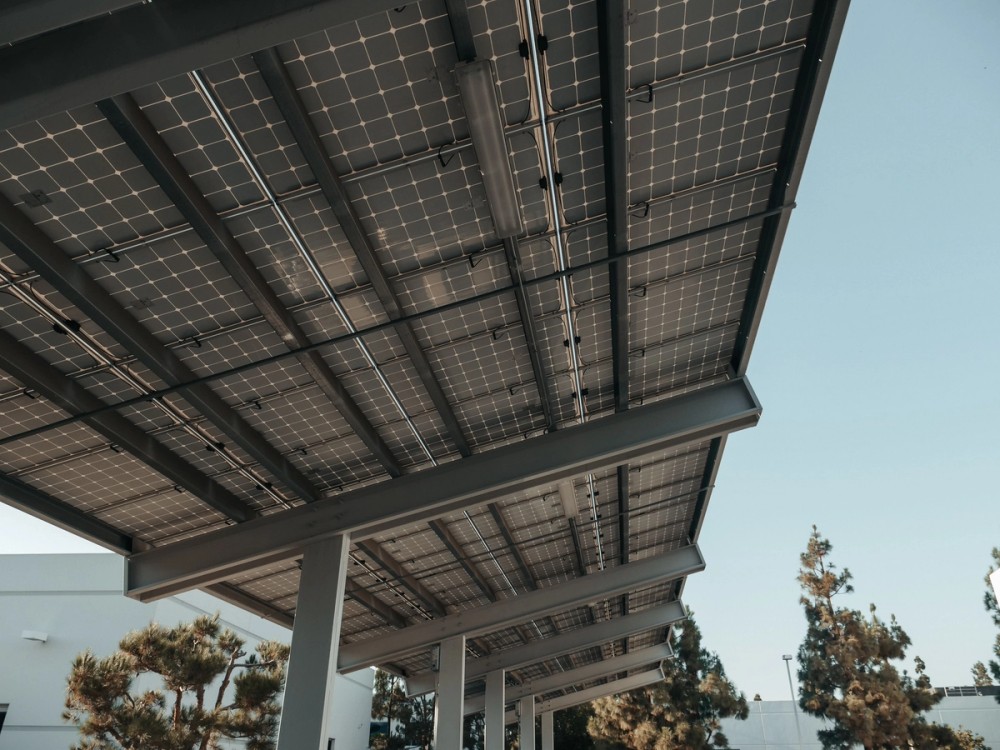
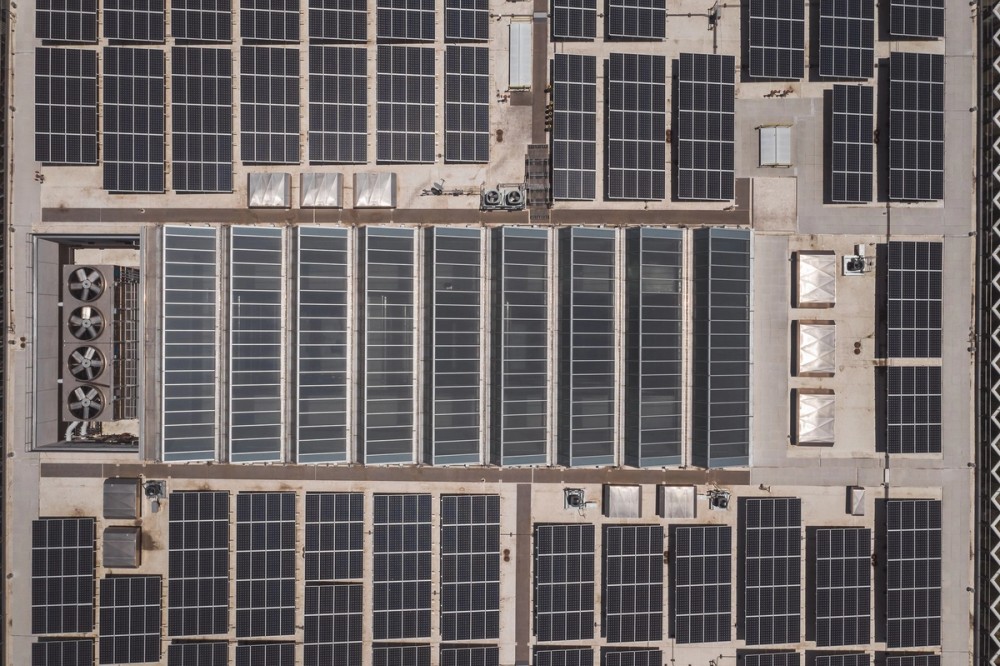
Metal shed mount. Factory and warehouse sheet roofs. Cheap and fast. The catch is heat. Leave too little gap between module and sheet and the panels run hot, which costs you generation.
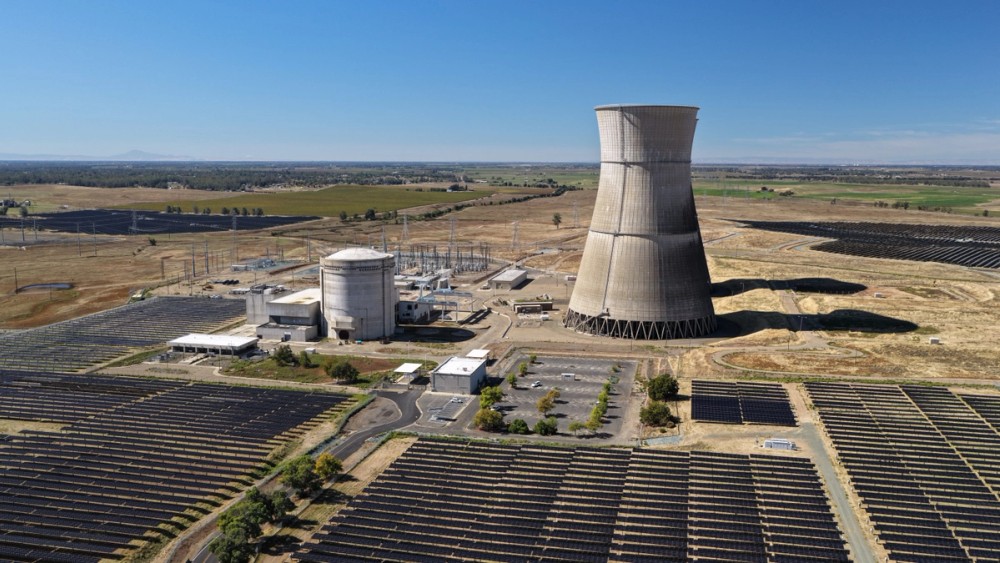
Ground mount. Used where roof space is short or shaded. Highest generation potential because you control tilt and orientation completely. Highest cost, needs secure land.
Carport. Ground mount raised to clear vehicles. Turns parking into generation, pairs naturally with EV charging. Costs more per kW than plain ground mount.
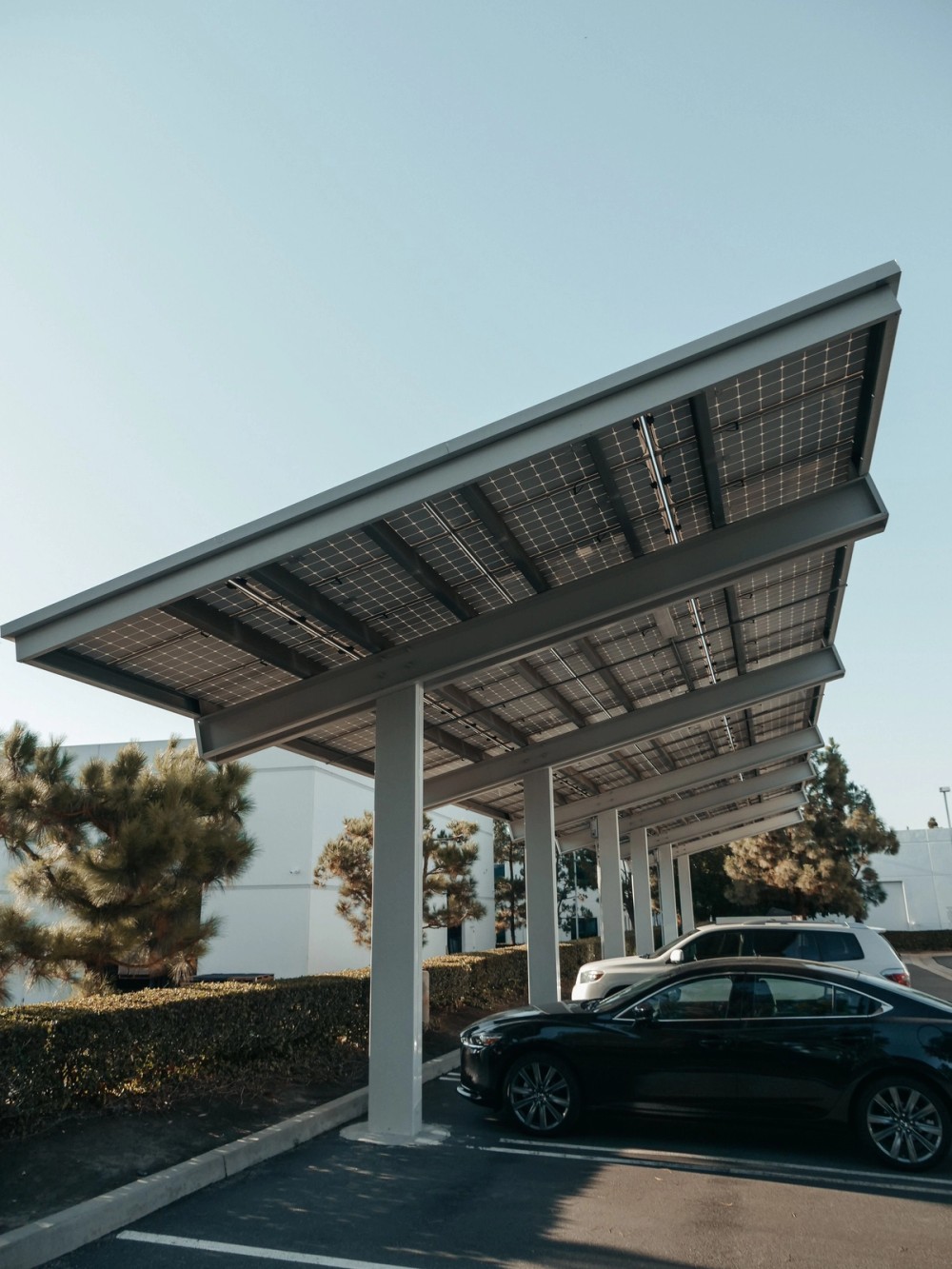
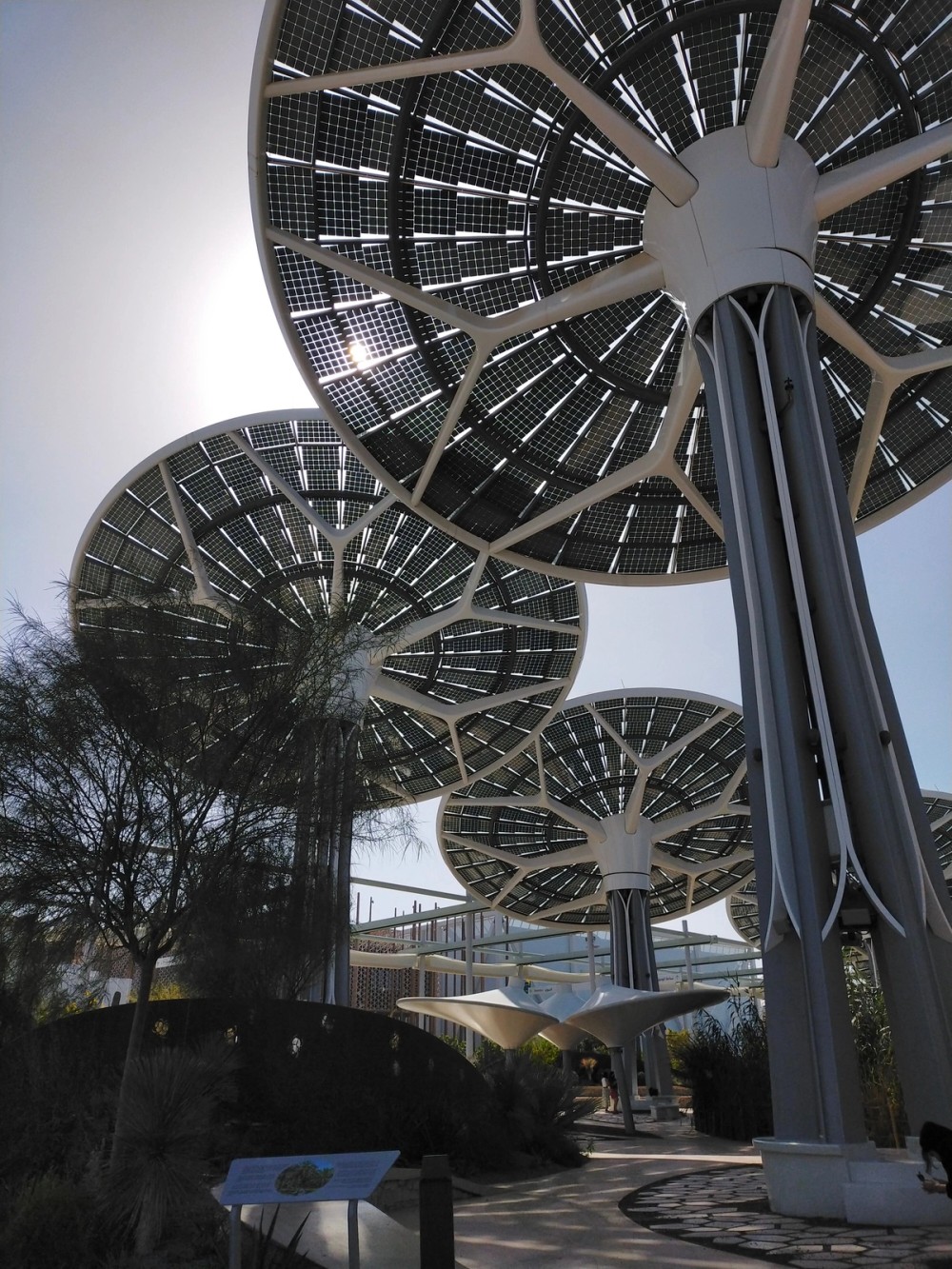
Tracker. Follows the sun through the day. Best output per panel, worst on cost and maintenance. Moving parts mean failure modes a fixed structure does not have.
How do you choose between them?
In this order, and the order matters:
- Roof type. This decides most of it for you. Concrete gives RCC, sheet gives shed mount, no usable roof gives ground or carport.
- Load capacity. Confirm the roof can take it before designing anything. This is a site check, not a desk assumption.
- Wind zone. Coastal and cyclone-prone sites need heavier sections and different foundations.
- Budget and expansion plans. Ask whether the customer plans to add capacity. Retrofitting a structure sized for today is expensive.
What material should the structure be?
Four practical options in the Indian market:
- GI (galvanised iron). Economical, decent corrosion resistance, fine for dry inland sites.
- Hot dip galvanised MS. The default for most projects. Zinc bonds into the steel rather than sitting on top, so it does not flake off during installation.
- Aluminium. Light and corrosion-proof. Good for rooftops with load constraints. Structural grades used are 6063-T6 or 6005A-T6.
- Stainless steel. Used in coastal or high-humidity zones for maximum corrosion protection.
Indicative pricing runs roughly ₹5,000-7,000 per kW for GI, ₹7,000-10,000 for HDGI, and ₹8,000-12,000 for aluminium. Treat these as a starting range, not a quote. Section sizes and site conditions move them. SolarfiX
One rule that catches people: all structural materials must be electrolytically compatible with module frames and fasteners to avoid galvanic corrosion. Aluminium frames against the wrong steel fastener will corrode.
What are the Indian standards for mounting structure design?
The codes that actually govern the work:
- IS 875 (Part 3):2015 for wind load calculations
- IS 800:2007 for general construction in steel
- IS 2062:2011 for structural steel material
- IS 4759 for galvanising, minimum 80 microns for outdoor applications
- IS 1893 for seismic load
MNRE tender specifications typically require the structure to withstand wind speed of the location as given in relevant Indian code for wind (IS 875 Part III, latest edition) or 200 kmph whichever is higher, with minimum thickness of the structural sections not less than 3.0 mm. TimesTimes
How is wind load calculated?
Under IS 875 Part 3, design wind pressure is Pz = 0.6 × Vz², where Vz = Vb × k1 × k2 × k3 × k4. Vb is the basic wind speed for the site.
Basic wind speeds range from 33 m/s in central India to 55 m/s in the Andaman Islands and cyclone-prone coasts.
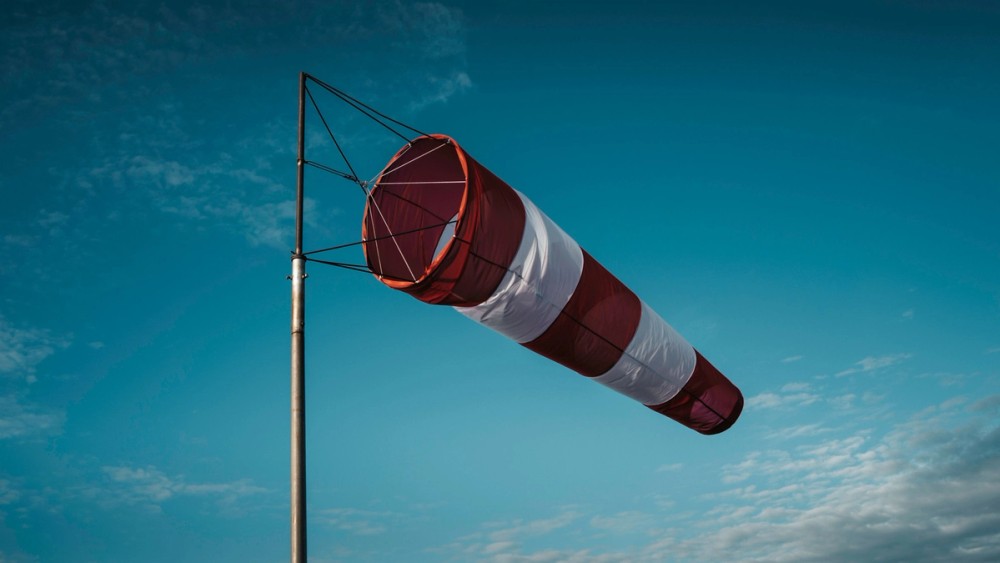
The practical implication for anyone quoting coastal work: for solar plants in cyclone-prone areas, the design wind pressure can be 40-60% higher than for equivalent-latitude inland sites, significantly affecting foundation design, pile depth, and mounting structure sizing.
Also worth knowing on the compliance side: for projects regulated by Indian authorities (CEIG, state electricity boards, MNRE-funded schemes), IS 875 Part 3 is the mandatory structural code. ASCE 7-22 is a US standard and is not accepted by Indian regulatory bodies.
Note that for systems above 10 kW, MMS design and drawings must be approved by a licensed structural engineer before installation.
Does mounting structure affect system output?
Yes, in three ways:
- Tilt. Set by the structure, not the panel. Should be optimised for site latitude.
- Orientation and row spacing. Bad spacing means rows shade each other in winter mornings.
- Ventilation gap. Especially on shed mounts. Panels sitting too close to a metal roof run hotter and generate less.
This is why structure cannot be treated as a procurement item decided after the layout is finalised. Tilt and row spacing are the layout.
Common mistakes
- Using the wrong wind zone category, usually the state's general zone rather than the site's
- Specifying plain GI in coastal or high-humidity areas where you need hot dip or stainless
- Finalising the structure spec before confirming the roof's actual load-bearing capacity
- Leaving too small a gap on sheet-roof installs and losing generation to heat
- Mixing incompatible metals in structure, clamps and fasteners
- Quoting structure separately from the 3D layout, so tilt and row spacing get decided twice
What Indian EPCs should do now
A short site checklist:
- Confirm roof type and load capacity on site, not from photos
- Check the site's wind zone under IS 875 Part 3, not the state average
- Match material to environment, with coastal defaulting to hot dip or stainless
- Confirm galvanising thickness of at least 80 microns on delivery, not just on the datasheet
- For anything above 10 kW, budget for structural engineer sign-off
- Decide tilt and row spacing inside the layout, not after it
Bottom line
Mounting structure is where a well-designed system quietly fails. The panel carries a 25-year warranty. The structure holding it is only as good as the wind zone you checked and the zinc thickness you specified. Both are decisions made during design, on site, before anything is ordered.

FAQ
Q1. What is the most common mounting structure in India?
RCC roof mount for residential and small commercial, metal shed mount for industrial rooftops.
Q2. What is the minimum galvanising thickness for solar structures?
80 microns minimum for hot dip galvanised outdoor applications, per IS 4759.
Q3. Which IS code covers wind load for solar structures?
IS 875 (Part 3):2015.
Q4. Is GI or hot dip galvanised better?
Hot dip for most projects. The zinc bonds into the steel rather than coating it, so it survives handling and lasts longer. GI is acceptable for dry inland sites on tight budgets.
Q5. Do I need a structural engineer for a rooftop solar structure?
For systems above 10 kW, MMS design and drawings must be approved by a licensed structural engineer before installation.
Q6. Does the structure affect how much power the system generates?
Yes. Tilt, orientation, row spacing and ventilation gap are all structure decisions, and all four affect output.
Q7. What wind speed should a structure be designed for?
The site's basic wind speed under IS 875 Part 3. MNRE specifications commonly require the IS 875 figure or 200 kmph, whichever is higher. Times
Sources
- IS 875 (Part 3):2015, Wind Loads on Buildings and Structures. IS 800:2007. IS 2062:2011. IS 4759. IS 1893.
- MNRE technical specification for module mounting structures, as reproduced in public tender documentation.
- Wind load methodology and cyclone zone factors: Heaven Designs, "IS 875 Part 3 Wind Load Calculations for Indian Solar Mounts," June 2026.
- Material grades and compatibility: Solar Times and SolarfiX MMS technical specification guides, 2025.
- Indicative material cost ranges: BL Solar Solutions mounting structure guide, April 2026.
You May Also Like
Related Articles
NFCC BESS Guidance 2026: What's Confirmed, What's Open for UK EPCs
NFCC's updated BESS guidance cut spacing to 3 feet with UL 9540A testing. What's confirmed, what's still unresolved, and what to bring to planning.
MCS 2027 Deadline: What's Actually Changing for Solar and Battery EPCs
Every MCS-certified installer must move to the redeveloped Scheme by 31 March 2027. What's actually changed, why the date matters twice, and what to do now.

Solar BOM Automation: What It Actually Fixes
A quantity error on DC cable alone can erode 6-9% of project margin. See what BOM automation actually solves, and what still needs a manual check.