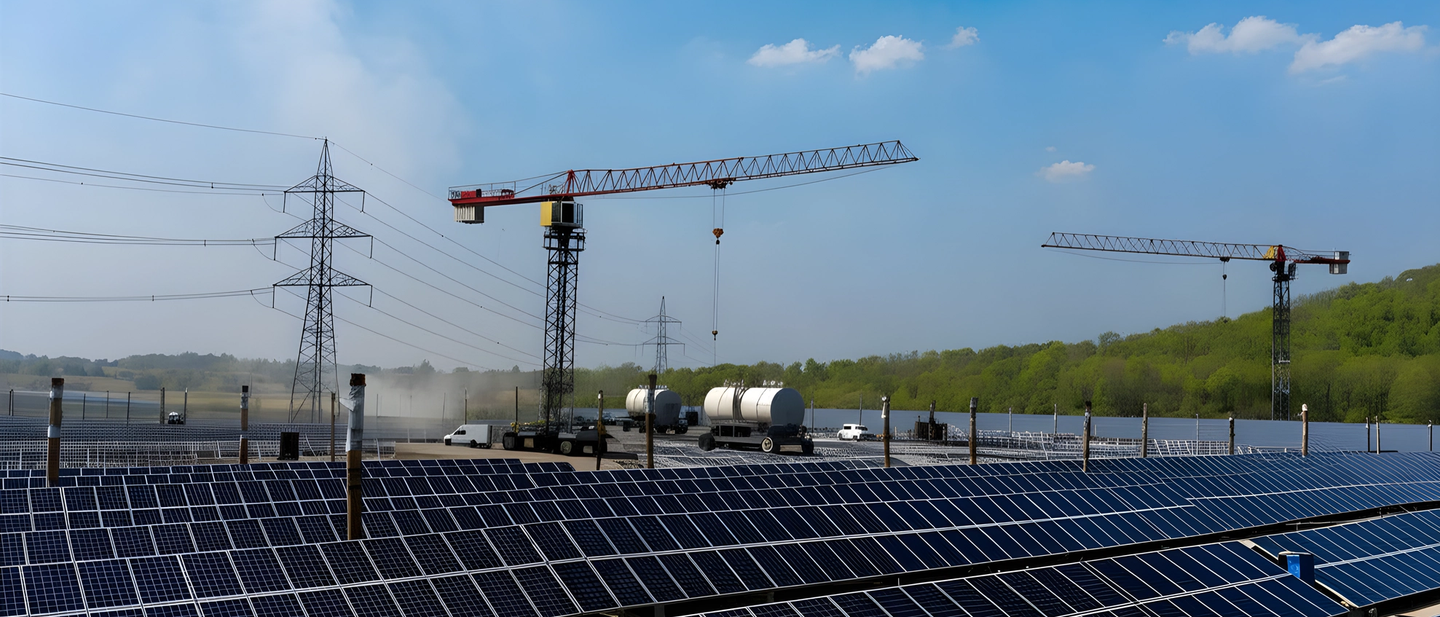
SECI Is Now India's Only RE Bidding Agency
What Changed and Why
Until April 6, 2026, four agencies were responsible for issuing renewable energy procurement bids in India: the Solar Energy Corporation of India (SECI), NTPC Limited, NHPC Limited, and SJVN Limited. Each could float tenders independently as intermediary procurers. This meant developers and EPCs were dealing with different agencies, different formats, and different timelines — creating coordination problems across the ecosystem.
The change came after a high level review meeting chaired by the Union Minister for New and Renewable Energy on March 27, 2026. The key finding was that a significant backlog of unsigned Power Sale Agreements (PSAs) and Power Purchase Agreements (PPAs) had built up across all four agencies. Projects had received Letters of Award but had not moved to the agreement stage — tying up capacity, creating uncertainty for developers, and slowing actual installation.
The solution was consolidation. By making SECI the single intermediary for all new bids, MNRE aims to create clearer accountability, faster agreement timelines, and a more organised pipeline of projects moving from tender to construction.
What NTPC, NHPC, and SJVN Will Now Do
The three agencies are not being shut out of renewable energy. They are being directed to focus their energy on what is already in their pipelines rather than adding new ones. Specifically, they have been asked to:
- Complete all pending Power Sale Agreements and Power Purchase Agreements for projects where Letters of Award have already been issued
- Review cases where bids were issued but PSAs remain unsigned despite months having passed since the LoA — and take action including potential cancellation for non progressing projects
- Stop including the Green Shoe option in tenders without prior approval from the Appropriate Commission
This last point is significant. The Green Shoe option allowed agencies to award more capacity than originally tendered if demand existed. MNRE's instruction to get prior approval before using it signals a more careful, demand aligned approach to future tender issuance.

What This Means for EPCs
For an EPC company bidding on government solar projects, this change has three practical implications.
One point of contact. All new central government RE tenders will now flow through SECI. This simplifies which portals to watch, which documentation formats to prepare, and which relationship to invest in. EPCs who are already registered on SECI's portal and familiar with its processes are better positioned than those who primarily worked with NTPC or NHPC tenders.
Higher execution expectations. MNRE's concern about unsigned PSAs and stalled projects signals that the government is paying close attention to which projects actually get built versus which ones sit as paper awards. EPCs who have a track record of completing projects on time will be favoured. Those who have awarded projects sitting idle are at risk of LoA cancellations.
Faster timelines once awarded. The intent of consolidation is to reduce delays, not just shift paperwork. If SECI's processes improve as a result of having sole responsibility, the time between tender award and signed agreement should shorten. For EPCs with active pipelines, that means faster project starts.
Frequently Asked Questions
Key questions about the SECI consolidation and what it means for solar EPC companies.
Can state agencies still issue their own solar tenders?
Yes. This directive applies only to central government intermediary procurers - SECI, NTPC, NHPC, and SJVN. State agencies such as GUVNL (Gujarat), RRECL (Rajasthan), MSEDCL (Maharashtra), KREDL (Karnataka), and other state electricity boards can still issue their own tenders independently. The consolidation only affects the central route, not the state route. State tenders remain an important channel for EPCs and are not affected by this change.
What happens to existing tenders issued by NTPC, NHPC, and SJVN?
Existing tenders and projects continue as before. NTPC, NHPC, and SJVN retain full responsibility for all projects where Letters of Award have already been issued. They are required to complete signing of Power Sale Agreements and Power Purchase Agreements for these existing projects. Only new tender issuances - bids not yet floated - fall under the SECl only rule.
Will this reduce the total number of solar tenders issued?
Not necessarily. MNRE's direction also instructs that before issuing new bids, SECI must first confirm demand from states and end procurers. This means tenders should be issued only when there is confirmed purchase commitment — which could result in fewer but better quality tenders, rather than a large number that sit unexecuted. For EPCs, this is generally positive: it reduces the problem of winning tenders that never convert to signed agreements and actual construction work.
Sources
- SolarQuarter — solarquarter.com — "MNRE Centralizes Renewable Energy Bidding Under SECI" (April 10, 2026)
- Mercom India — mercomindia.com — Daily wrap-up: MNRE designates SECI as sole bidding agency (April 2026)
- Power Peak Digest — powerpeakdigest.com — "MNRE Designates SECI as Sole Intermediary for New RE Bids" — full directive details
Related Articles

Maryland Net Metering Cutoff 2027: Confirmed vs Open for EPCs
Maryland closes net metering to new systems at the earlier of 3,000 MW or July 1, 2027. What is set, what the PSC is still deciding.

Delhi Free Rooftop Solar for EPCs: ULA Route vs Open Route
Delhi pays up to ₹78,000 on top of PM Surya Ghar, with a free ULA route under 400 units. What EPCs can sell on each route.

BS 7671 Amendment 4: What Solar and Battery EPCs Must Do
Amendment 4 to BS 7671 becomes the only current edition on 15 October 2026. What the new battery chapter, forms and transition rules mean for EPCs.