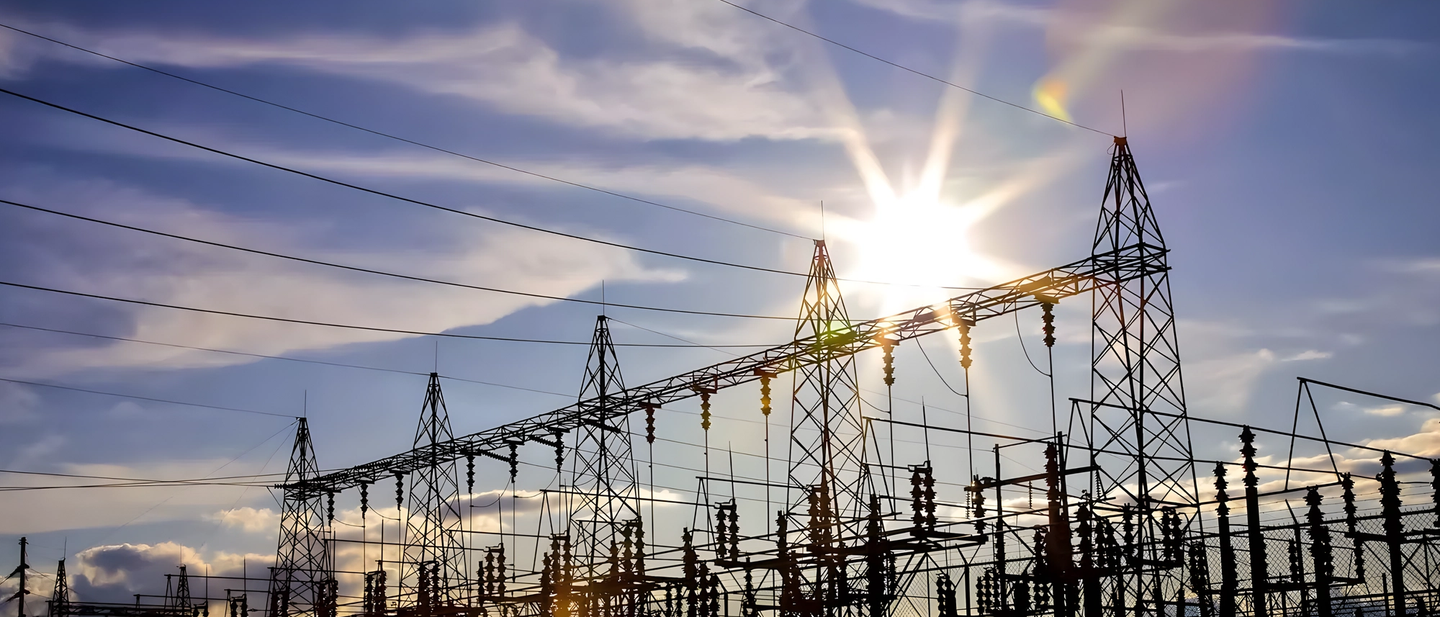
India Just Hit 256 GW Peak Power Demand — Solar Carried a Third of It.
What Happened on April 25
India broke its all time peak power demand record on April 25, 2026. The national grid reached 256.11 GW at 3:38 PM, driven by temperatures between 40 and 46 degrees Celsius across large parts of northwest, central, and western India. Akola in Maharashtra recorded 46.9 degrees, the highest in the country that day.
What makes the record significant is not just the number. It is that the entire demand was met without a single shortage. No grid failure, no load shedding at the national level. According to Saur Energy, solar contributed 57 GW at the moment of the peak, representing 22% of the total supply. Earlier at 12:30 PM, solar output hit 81 GW, covering nearly one third of instantaneous national generation. A decade ago, India barely had 10 GW of solar capacity. Today, a single resource type is supplying a third of a record breaking national power need.
Why the Grid Held
The successful management of this record demand reflects years of capacity building. India added 65 GW of fresh power generation capacity in FY2026 alone. Renewable energy, led by solar, now accounts for over 41% of total installed capacity at 283 GW. The Grid Controller of India coordinated conventional and renewable sources, with thermal plants providing the baseload and solar providing the peak day generation. Authorities also deferred maintenance on 10 GW of thermal capacity ahead of the summer season to maximise available supply.
The evening gap, where solar generation drops as cooling demand continues, remains the structural challenge. Coal and gas plants cover this period. Business Today notes that fossil fuels still provide backbone reliability for round the clock supply. This is precisely why battery storage, which can shift midday solar generation to peak evening hours, is now a priority in every government auction.

What Is Coming Next
The India Meteorological Department has issued heatwave advisories for Punjab, Haryana, Uttar Pradesh, Delhi, Jammu and Kashmir, and Rajasthan. Demand is expected to climb further as May and June approach. The CEA projects a potential 271 GW peak during the core summer months. Some analysts suggest demand could climb another 10 to 15 GW from April levels as the heatwave intensifies. The record of April 25 may itself be broken within weeks.
The structural consequence of this demand growth is clear: India needs more generation capacity, and it needs storage to bridge the evening gap. Both mean more work for solar EPCs, and more urgency in getting projects commissioned before the next summer season.
What This Means for EPCs
Every megawatt hour that solar contributed on April 25 was installed by an EPC. The 81 GW solar peak is 81,000 MW of installed capacity, each panel placed by a contractor, each string commissioned by a technician. The industry EPCs are part of is now demonstrably critical national infrastructure.
More practically: rising summer demand is already accelerating DISCOM approvals for rooftop solar, commercial solar, and open access projects in major consumption centres. Clients in north Indian cities who faced grid stress on April 25 are more motivated to install solar than they were a month ago. The question EPCs should be asking is whether their lead generation, proposal pipeline, and installation capacity are ready for the demand that follows a heatwave like this one.

Frequently Asked Questions
Will India face power shortages if demand crosses 270 GW?
The Central Electricity Authority has projected peak demand could reach 271 GW in the coming months. India currently has over 530 GW of installed generation capacity, which is well above the projected peak. The risk is not an overall capacity shortage but a timing mismatch. Solar generates heavily from 9 AM to 5 PM but drops sharply in the evening when residential cooling demand peaks. Coal and hydro cover this gap. States with fewer thermal reserves or transmission constraints face higher shortfall risks in the 6 to 10 PM window. Battery storage is the long term fix for this structural evening gap.
How does a record power demand event translate into EPC business?
Power records drive three types of near term EPC business. First, commercial and industrial clients who experienced grid stress or high bills during the heatwave become motivated buyers for rooftop solar and storage. Second, DISCOMs facing peak load management challenges accelerate approvals for distributed solar to reduce their grid peak load. Third, the government tends to fast track announcements and subsidies for generation additions after high visibility demand records. All three create lead generation opportunities for EPCs who are positioned and visible in the market at the right moment. This week is that moment for 2026.
Sources
- Business Standard — business-standard.com — India record 256 GW peak power demand, solar 57 GW at peak, 81 GW at midday (April 27, 2026)
- Saur Energy — saurenergy.com — India's power demand peak marks solar's unstoppable rise (April 27, 2026)
- Business Today — businesstoday.in — 256 GW and rising: heatwave drives India's power demand to all time high (April 27, 2026)
- InfraLog India — infralog.in — India meets 256 GW without shortage, 8.9% consumption growth April 1 to 27
Related Articles
India Anti-Dumping Duty on Chinese Solar Cells: Pending
DGTR recommended a 23-30% anti-dumping duty on Chinese solar cells a year ago. The Finance Ministry still has not imposed it. What EPCs should know.
CEA Mandatory Storage for Solar, Wind Projects 2027
CEA's draft mandates 15% grid-forming inverters and co-located storage for new RE plants from July 2027. What's confirmed, and what's still unclear.
MNRE 45 GW Relief Package: What's Confirmed vs Pending
CERC already freed 15.7 GW of stranded connectivity. MNRE's broader relief package for 45 GW of stalled projects is still awaiting approval.