PhilEnergy Expo 2026: EPC Guide to June 24-26 Event
What PhilEnergy Expo Is
PhilEnergy Expo is the Philippines' most comprehensive energy trade event, organised by Informa Markets. It brings together manufacturers, distributors, project developers, EPCs, utilities, government representatives, and investors across the full spectrum of the Philippine energy sector in one venue for three days. The expo combines an exhibition floor with a programme of high-level conferences and technical seminars, making it both a sourcing event and a policy intelligence gathering opportunity for solar professionals.
The event runs under the theme "Shaping the Philippine Energy Sector for a Sustainable Future" and is positioned around the Philippines' national energy transition priorities, including the DOE's renewable energy targets and recent net-metering reforms. The 2026 edition is the 4th standalone PhilEnergy Expo and follows significant recent policy changes that have materially altered how solar projects are developed, approved, and financed in the Philippines.
For solar EPCs specifically: PhilEnergy is not a consumer show. It is a business-to-business event for trade and professional visitors. Every person on the floor is a potential partner, supplier, subcontractor, or client with an existing energy procurement or project development mandate. Walk in with a specific sourcing or partnership agenda.
Event Details at a Glance
- Dates – June 24, 25, and 26, 2026
Three days. Trade and professional visitors only. - Venue – World Trade Center Metro Manila
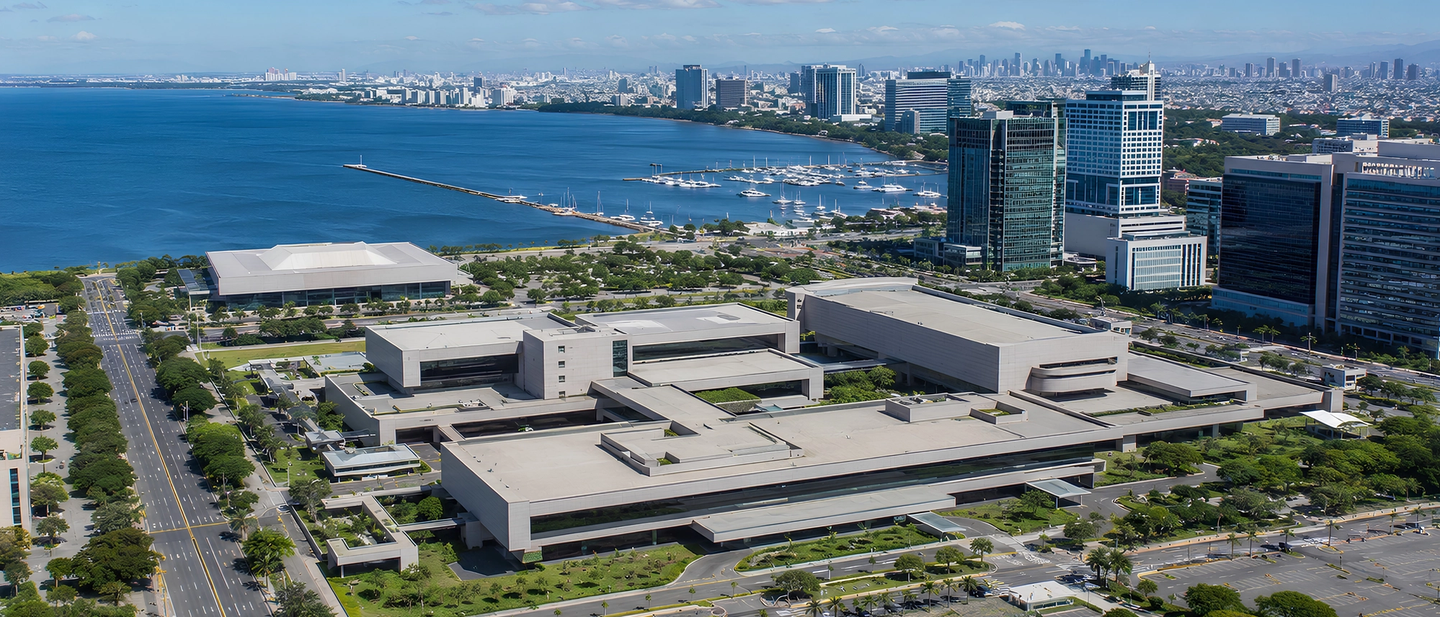
Pasay City, Philippines. Near NAIA and the Manila Bay waterfront. - Opening Hours – 10:00 to 18:00 (June 24 and 25)
10:00 to 17:00 on June 26 (final day closes one hour earlier). - Admission – Free for pre-registered visitors
Business attire required. Slippers, sleeve shirts, and shorts are not permitted. - Scale – 100+ exhibitors, 4,000+ visitors
Delegates and buyers from over 38 countries and regions expected. - Organiser – Informa Markets
Co-located with Livestock Philippines 2026 and Aquaculture Philippines 2026.
Five Sectors on the Floor
PhilEnergy covers five energy sectors under one roof. For solar EPCs, the most directly relevant is Renewable Energy, but the adjacent sectors, particularly Energy Storage and Electric Vehicles, are increasingly relevant to commercial solar proposals in the Philippine market.
- Renewable Energy
Solar PV, wind, geothermal, hydro, and biomass. Solar dominates Philippine RE deployment. Expect exhibitors covering panels, inverters, racking, monitoring systems, and EPC services. The DOE's 35% RE share target by 2030 is the policy driver behind most of what will be on the floor. - Energy Storage
Battery energy storage systems (BESS), hybrid inverters, and grid-scale storage. The Philippine grid's frequency instability and growing solar penetration make storage an increasingly relevant product for commercial solar proposals. Expect battery storage suppliers, component manufacturers, and local distribution partners; verify specific brands and countries through the official exhibitor list at philenergyexpo.com. - Energy Efficiency
Building energy management, LED systems, smart controls, and energy auditing services. Commercial building owners who engage with energy efficiency are natural candidates for combined solar and storage proposals. A useful sector for EPCs doing commercial and industrial work. - Electric and Power
Grid infrastructure, switchgear, transformers, cables, and distribution equipment. For EPCs doing large commercial or industrial solar with on-site substation work, this sector covers the electrical balance-of-system components that make up a significant portion of project cost. - Electric Vehicle
EV charging infrastructure, fleet electrification, and mobility solutions. Solar-plus-EV charging is an emerging commercial solar use case in the Philippines, particularly for commercial developments, hotels, and logistics operators. The government projects 6.6 million EVs on Philippine roads by 2030.
Why 2026 Is the Most Important Edition Yet
PhilEnergy Expo is happening at an unusually active moment for the Philippine solar market. Three significant policy changes have occurred in the months leading up to this event, each of which will be reflected in what exhibitors are selling and what buyers are asking about on the floor.
February 2026
Multi-Site and Aggregate Net Metering Introduced
The DOE introduced multi-site and aggregate net metering, allowing consumers to share solar energy credits across multiple electricity accounts within the same distribution utility area. Prosumers also received ownership of Renewable Energy Certificates (RECs) for electricity consumed from their own solar installation, opening a secondary revenue stream through the Philippine Renewable Energy Market. Source: Philippine Information Agency (pia.gov.ph), citing DOE.
April 2026
10-Day Net Metering Approval Mandated Under DC2026-01-00012
DOE issued Department Circular DC2026-01-00012, cutting the maximum net metering processing time from the previous standard to 10 working days. LGUs must act on net-metering-related permits within shortened timelines. DOE/PIA reporting describes a 10-working-day application process, with LGU permit action within three working days and CFEI processing also shortened under the streamlined process. A deemed approval mechanism applies if utilities miss the deadline. Source: Philippine Information Agency (pia.gov.ph), Philstar.
June 2026
PhilEnergy Expo 4th Edition Opens
The expo opens against the backdrop of rising Meralco rates, the Philippines' 35% RE share target by 2030, and two recent DOE policy reforms that have materially changed the economics and approval process for solar installations. Over 11,600 MW of renewable energy projects are expected to be operational by 2030.
The practical result is that EPCs attending PhilEnergy 2026 are operating in a market that has changed significantly since the last edition. The products being sold and the conversations being had on the floor will reflect the shift from a market where approvals were slow and credits were account-bound to one where approvals are fast and credits can move across a portfolio.
What Solar EPCs Should Prioritise at PhilEnergy 2026
Source BESS products and pricing
Battery energy storage is moving from an add-on to a sales necessity in the Philippine commercial solar market. The combination of Meralco's time-of-use pricing, growing commercial demand for energy independence, and the increasing size of commercial solar proposals makes battery pairing a relevant conversation for most C&I clients. Use the BESS exhibitor floor to compare chemistries, form factors, warranty structures, and local service commitments. The presence of local distribution partners matters significantly for post-installation support in the Philippine context.
Identify multi-site net metering application partners
The February 2026 multi-site net metering reform creates a new conversation to have with clients who own multiple properties. Executing multi-site metering proposals requires coordination across accounts, utility liaison work, and documentation management that differs from standard single-site applications. If your team has not yet handled a multi-site application, the conference programme and networking floor at PhilEnergy 2026 are good places to identify EPCs or consultants who have, and to understand where the practical friction points are before you commit a client to the process.
Attend the conference and technical seminar sessions
PhilEnergy's conference and technical seminar programme is expected to cover regulatory updates, clean energy technologies, and market developments across renewable energy, storage, EVs, electric power, and energy efficiency. For EPCs, the seminar sessions are the fastest way to get ahead of industry developments, hear from practitioners who have already worked through the new approval process under DC2026-01-00012, and understand what the multi-site metering reform looks like in execution. The Q&A portions typically surface practical implementation details that do not appear in formal regulatory text or press releases.
Review EV charging infrastructure for commercial proposals
For EPCs working with commercial property developers, shopping malls, hotel groups, and logistics operators, solar-plus-EV charging is a growing proposal category. The EV charging exhibitors at PhilEnergy 2026 can help you understand the grid connection requirements, load management needs, and integration specifications that affect how a solar system serving EV chargers needs to be sized and designed.
How to Register and Practical Visitor Information
Pre-registration for PhilEnergy Expo 2026 is available at philenergyexpo.com. Admission is free for trade and professional visitors who pre-register online with an invitation ticket. Walk-in registration is available but pre-registration is recommended to avoid queues on opening day.
Business attire is mandatory. The venue does not permit entry in slippers, sleeveless shirts, or shorts. The World Trade Center Metro Manila is located in Pasay City, adjacent to the CCP Complex and within approximately 10 minutes of Ninoy Aquino International Airport. Public transport options include the MRT-3 (Taft Avenue station, then taxi or rideshare to WTCMM) and the forthcoming LRT-1 connections. Rideshare from central Makati takes approximately 15 to 25 minutes depending on traffic.
For EPCs travelling from outside Metro Manila, Informa Markets maintains a list of official hotel partners on the PhilEnergy website with negotiated rates for event attendees.
Frequently Asked Questions
Q1. When and where is PhilEnergy Expo 2026?
PhilEnergy Expo 2026 runs from June 24 to June 26, 2026 at the World Trade Center Metro Manila in Pasay City, Philippines. Opening hours are 10:00 to 18:00 on June 24 and 25, and 10:00 to 17:00 on June 26. The event is open to trade and professional visitors only. Admission is free for visitors who pre-register online at philenergyexpo.com. Business attire is required and entry will not be permitted in slippers, sleeveless shirts, or shorts.
Q2. Is PhilEnergy Expo 2026 free to attend?
Yes. Admission is free for trade and professional visitors who pre-register online with an invitation ticket at philenergyexpo.com. Walk-in registration is available at the venue but online pre-registration is recommended to avoid queues. The event is not open to the general public: it is a business-to-business trade event for energy industry professionals, government representatives, investors, and project developers.
Q3. What sectors does PhilEnergy Expo 2026 cover?
PhilEnergy Expo 2026 covers five sectors: Renewable Energy (solar, wind, geothermal, hydro, and biomass), Energy Efficiency (building energy management, LED, and smart controls), Electric and Power (grid infrastructure, switchgear, cables, and transformers), Electric Vehicle (EV charging infrastructure and fleet electrification), and Energy Storage (battery energy storage systems and hybrid inverters). Conferences and technical seminars run alongside the exhibition on all three days, covering regulatory updates, technology developments, and project case studies across all five sectors.
Q4. Why is PhilEnergy Expo 2026 particularly relevant for solar EPCs?
Three significant Philippine solar policy changes occurred in the months before PhilEnergy Expo 2026. In February 2026, the DOE introduced multi-site and aggregate net metering, allowing consumers to share solar credits across multiple accounts in the same utility area, and gave prosumers ownership of Renewable Energy Certificates for the power they generate. In April 2026, DOE Department Circular DC2026-01-00012 cut the net metering approval timeline to 10 working days with a deemed approval mechanism if utilities miss the deadline. These two reforms have changed the economics of solar for commercial clients and the approval timeline for EPCs. PhilEnergy Expo 2026 is the first major industry gathering since both reforms took effect, making it the best opportunity to understand how the market is responding and what implementation challenges are emerging.
Q5. Who else will be at PhilEnergy Expo 2026 beyond solar companies?
PhilEnergy Expo 2026 is a multi-sector energy event. Beyond solar EPC companies and panel and inverter manufacturers, attendees include BESS manufacturers and distributors, EV charging infrastructure suppliers, grid infrastructure companies, energy efficiency consultants, distribution utility representatives, DOE and government officials, project developers, investors and financiers, engineering and consulting firms, and buyers and decision-makers from industrial, commercial, and property sectors. The event draws delegates from over 38 countries, including exhibitors and buyers from ASEAN markets, China, South Korea, Japan, and Europe. It is also co-located with Livestock Philippines 2026 and Aquaculture Philippines 2026, creating an intersection with the agricultural sector where solar and agri-PV opportunities exist.
Q6. What is the multi-site net metering reform and why does it matter for EPCs?
Multi-site and aggregate net metering, introduced by the DOE in February 2026, allows consumers to share solar energy credits from one installation across multiple electricity accounts within the same distribution utility area. Previously, credits from a solar system were tied to the specific electricity account at the address of installation and could not be used to offset bills at other properties. Under the new rules, a business owner with solar on their factory can apply excess credits against their office and warehouse electricity bills within the same utility's service area. This changes the commercial case for solar for any client who owns or operates multiple properties within a single distribution utility jurisdiction, such as Metro Manila (entirely within Meralco's service area), Metro Cebu (VECO), or Metro Davao (Davao Light). For EPCs, it creates an upsell opportunity: the conversation shifts from one system per property to one optimally sited system serving an entire portfolio. Source: Philippine Information Agency (pia.gov.ph), citing DOE.
You May Also Like
- Philippines Net Metering Approvals Now Take 10 Days: What Solar EPCs Must Do Now
- Multi Site Net Metering Is Here: How to Sell More Solar Per Client
- Philippines Solar ROI 2026: Why Meralco Bills Make Solar the Easiest Sale
Sources
- PhilEnergy Expo — Official Website (Primary) — philenergyexpo.com — Event dates June 24-26, 2026 confirmed; venue (World Trade Center Metro Manila, Pasay City) confirmed; organiser (Informa Markets) confirmed; five sectors confirmed; free admission for pre-registered visitors confirmed; business attire requirement confirmed; 4,000+ expected visitors confirmed; 100+ exhibiting companies confirmed; 38+ countries confirmed; hours June 24-25: 10:00-18:00, June 26: 10:00-17:00 confirmed.
- Engineering Post — PhilEnergy Expo 2026 Announcement (Established Trade Press) — enggpost.com, March 3, 2026 — Event rescheduled from April to June 2026 confirmed; theme "Shaping the Philippine Energy Sector for a Sustainable Future" confirmed; co-location with Livestock Philippines 2026 and Aquaculture Philippines 2026 confirmed; 11,600 MW RE projects by 2030 confirmed; 6.6 million EVs by 2030 cited from government projections.
- Context.ph — PhilEnergy 2026 Coverage (Established Trade Press) — context.ph, May 25, 2026 — 100+ exhibitors and approximately 5,000 trade buyers confirmed from organiser projections; event context on Philippine energy challenges confirmed.
- Philippine Information Agency — Multi-Site Net Metering and REC Reform (Primary Government Source) — pia.gov.ph — Multi-site and aggregate net metering introduction (February 2026) confirmed; prosumer REC ownership confirmed; citing DOE as primary source.
- Philippine Information Agency / Philstar — DC2026-01-00012 (Primary and Established Trade Press) — philstar.com, April 5, 2026 — DOE Department Circular DC2026-01-00012 confirmed; 10 working day net metering approval deadline confirmed; LGU electrical permit (3 days) and CFEI (7 days) timelines confirmed; deemed approval mechanism confirmed; DOE Secretary Sharon Garin statement confirmed.
Related Articles
Solar & Storage Live UK 2026: EPC Guide
NEC Birmingham, September 22-24. Confirmed speakers, six conference tracks, and the live grid-connection fight EPCs should actually watch.

Solar Design Software for EPCs in Botswana
Botswana's Rooftop Solar Programme runs through BPC. What EPCs need for compliance, and how Reslink fits a market just getting started.
US Energy Storage Hits Record 20.2 GWh in Q2 2026
US energy storage hit a record 20.2 GWh in Q2 2026, 44% paired with solar. What the SEIA/Benchmark data signals for solar EPCs globally.