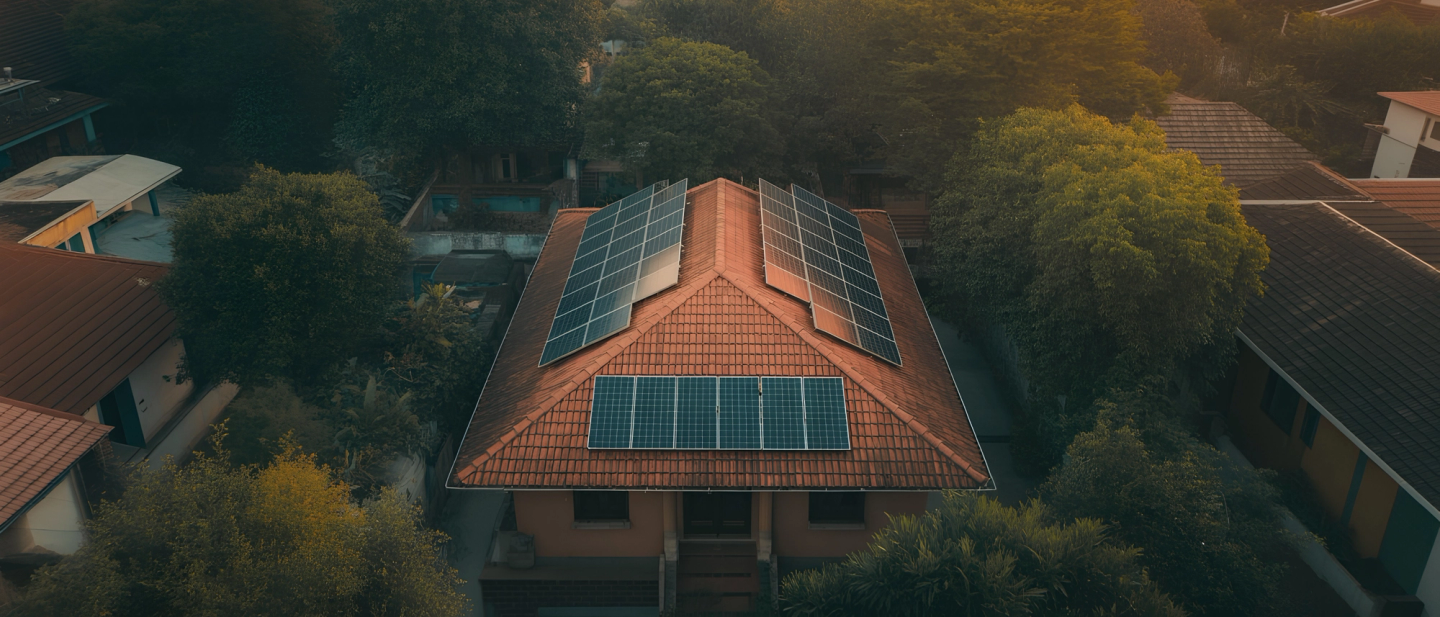
Gujarat Solar Subsidy 2026: The 2.18 kWp Top-Up for EPCs
What Gujarat Announced
On October 22, 2026 the Government of Gujarat approved additional state support for residential consumers who install rooftop solar under the PM Surya Ghar: Muft Bijli Yojana. It sits on top of the central financial assistance, which the scheme already pays. The aim, according to the reports, is to cut the upfront cost for smaller households.
The household contribution is fixed as a share of a benchmark cost, not of the installer's invoice:
- Benchmark: ₹50,000 per kW for the first 2 kW and ₹45,000 per kW for any capacity above that.
- Household share: 10% of the benchmark, or 5% for Scheduled Caste and Scheduled Tribe households.
- State subsidy: the benchmark minus the central subsidy minus the household share.
Who Qualifies
Condition | Rule as reported |
|---|---|
Consumer | Residential electricity consumer in Gujarat |
Scheme | System installed under PM Surya Ghar: Muft Bijli Yojana |
Capacity | Installed DC capacity of 2.18 kWp or less, counted cumulatively with earlier rooftop solar |
Commissioning | On or after October 22, 2026 |
After taking it | No further rooftop solar capacity for three years from installation |
Households that installed a smaller system under an earlier programme can still apply for more capacity, as long as the combined total stays within 2.18 kWp. Systems above the cap do not qualify for the state subsidy, including systems whose extra DC capacity pushes the total over it.
How the Numbers Work
The central subsidy for each size comes from MNRE's scheme rules, which our PM Surya Ghar guide sets out. The table applies the reported Gujarat rule to a few sizes, using benchmark prices. It is arithmetic, not a published rate card.
System | Benchmark cost | Central subsidy | Household share | State subsidy |
|---|---|---|---|---|
1 kW, general household | ₹50,000 | ₹30,000 | ₹5,000 (10%) | ₹15,000 |
2 kW, general household | ₹1,00,000 | ₹60,000 | ₹10,000 (10%) | ₹30,000 |
2 kW, SC or ST household | ₹1,00,000 | ₹60,000 | ₹5,000 (5%) | ₹35,000 |
At the 2.18 kWp ceiling the benchmark is ₹1,08,100, which makes a 10% household share ₹10,810 and a 5% share ₹5,405. The central subsidy for the 0.18 kW above 2 kW depends on how MNRE pro-rates the extra capacity, so the table stops at 2 kW.
The 2.18 kWp Cliff
The state subsidy stops completely above 2.18 kWp, and the central subsidy rises only slowly past 2 kW. At benchmark prices:
System | State subsidy | Household pays at benchmark prices |
|---|---|---|
2.18 kWp, general household | Yes | ₹10,810 |
3 kW, general household | None | ₹67,000 |
The 3 kW figure is the ₹1,45,000 benchmark less the ₹78,000 central subsidy. Adding 0.82 kW lifts the household's share from about ₹10,810 to about ₹67,000, because the state subsidy disappears. For most Gujarat homes the cap, not roof area, is likely to set the system size. Customers who want 3 kW for higher bills should be shown both numbers.
How the Money Reaches the Household
The state subsidy is paid directly into the beneficiary's bank account by Direct Benefit Transfer, through the state's distribution companies: DGVCL, MGVCL, PGVCL, UGVCL and Torrent Power. Gujarat Urja Vikas Nigam is the nodal agency that manages and allocates the funds to those companies.
What Is Still Open
- Invoice against benchmark. The subsidy is calculated on the benchmark. Reports do not say whether it is capped at the actual cost when an invoice is lower, or how the household pays when it is higher.
- Claim route. Reports describe DBT through the distribution companies but not whether claims run through the national portal.
- Proof for SC and ST households. The documents are not described.
- Special-category benchmark. The reports use the ₹50,000 and ₹45,000 figures only.
- Commissioning date. The rule turns on the commissioning date, but reports do not say how it is evidenced for jobs installed before and approved after October 22.
What This Means for Gujarat EPCs
- Size to the cap on purpose. A 2.18 kWp design is the sweet spot for the state subsidy. Show 3 kW as a separate option with its own total cost.
- Quote against the benchmark. The household's contribution is set on benchmark cost. Explain the gap to the customer when your price is above it.
- Control the commissioning date. Jobs installed before October 22 but commissioned after it are the ones to check with the distribution company first.
- Do not call it free. Even at 10%, a household pays something, and the three-year bar on adding capacity is easy to miss.
- Mention the lock-in. A customer who may add a battery or more panels later should know that further rooftop solar capacity is barred for three years after taking the state subsidy, according to the reports.

Where Design Software Fits
A cap-driven market rewards quick comparisons between a 2.18 kWp layout and a 3 kW one on the same roof. Design software like Reslink calculates the central PM Surya Ghar subsidy inside the proposal and produces the layout and bill of materials for each option. It does not calculate or confirm the Gujarat state subsidy.
See the full workflow → Book a demo
Frequently Asked Questions
Q1. What is the Gujarat rooftop solar top-up?
An additional state subsidy approved on October 22, 2026 for residential rooftop solar up to 2.18 kWp under PM Surya Ghar. The household pays 10% of a benchmark cost, or 5% for SC and ST households.
Q2. What is the size limit?
Total installed DC capacity must be 2.18 kWp or less, counting earlier rooftop solar the household installed under previous programmes.
Q3. When does it apply from?
To systems commissioned on or after October 22, 2026.
Q4. What is the benchmark cost?
₹50,000 per kW for the first 2 kW and ₹45,000 per kW for any additional capacity.
Q5. Can a household add more rooftop solar later?
Not for three years from installation, according to the reports, except that households with older systems below the cap can apply for further capacity within the 2.18 kWp total.
Q6. Is a 3 kW system eligible?
No. Systems above 2.18 kWp get only the central subsidy.
Q7. How is the state subsidy paid?
By direct transfer to the beneficiary's bank account through the state's distribution companies, with Gujarat Urja Vikas Nigam as the nodal agency.
Final takeaway
Gujarat's top-up makes small residential systems close to free and creates a clear sizing cliff at 2.18 kWp. For EPCs the practical steps are to design to the cap, quote against the benchmark and watch the commissioning date, while the open points get answered by the distribution companies.
You May Also Like
- PM Surya Ghar 2026: ₹78,000 Subsidy, Last Date and EPC Rules
- Gujarat Net Metering Draft 2026: What the New Rooftop Rules Change
- Delhi Free Rooftop Solar for EPCs: ULA Route vs Open Route
Sources
- Energetica India, Gujarat Announces Additional State Subsidy for RTS up to 2.18 kWp Under PM Surya Ghar (October 22, 2026)
- SolarQuarter, Gujarat Offers Additional Subsidy For Rooftop Solar Systems Up To 2.18 kWp Under PM Surya Ghar Scheme (October 27, 2026)
- Power Peak Digest, Gujarat offers extra rooftop solar subsidy to cut costs for small households (October 2026)
- Construction World, Gujarat Approves Additional Subsidy for Rooftop Solar Systems (October 2026)
This guide reflects published reports of Gujarat's October 22, 2026 resolution as of November 9, 2026. The resolution text itself was not available in readable form, so check it with your distribution company before quoting a subsidy amount.
Related Articles
UK Solar and Battery Compliance Calendar 2026-27: Dates and Deadlines
Every UK solar and battery date in one place: MCS 042, MCS 2027, 0% VAT, Future Homes Standard, CMP470 and more, with what to do by when.
Karnataka Draft RPO 2026: 35.95% to 43.33% by FY2030 for C&I Users
Karnataka's draft renewable obligation rises from 35.95% to 43.33% by FY2030. Who is covered, how to comply, and the comment deadline of about Nov 21.
UK Solar VAT 2027: 0% to 5% and Tax Points for Installers
0% VAT on UK solar and batteries ends 31 March 2027. How deposits, completion dates and invoices decide whether 0% or 5% applies.