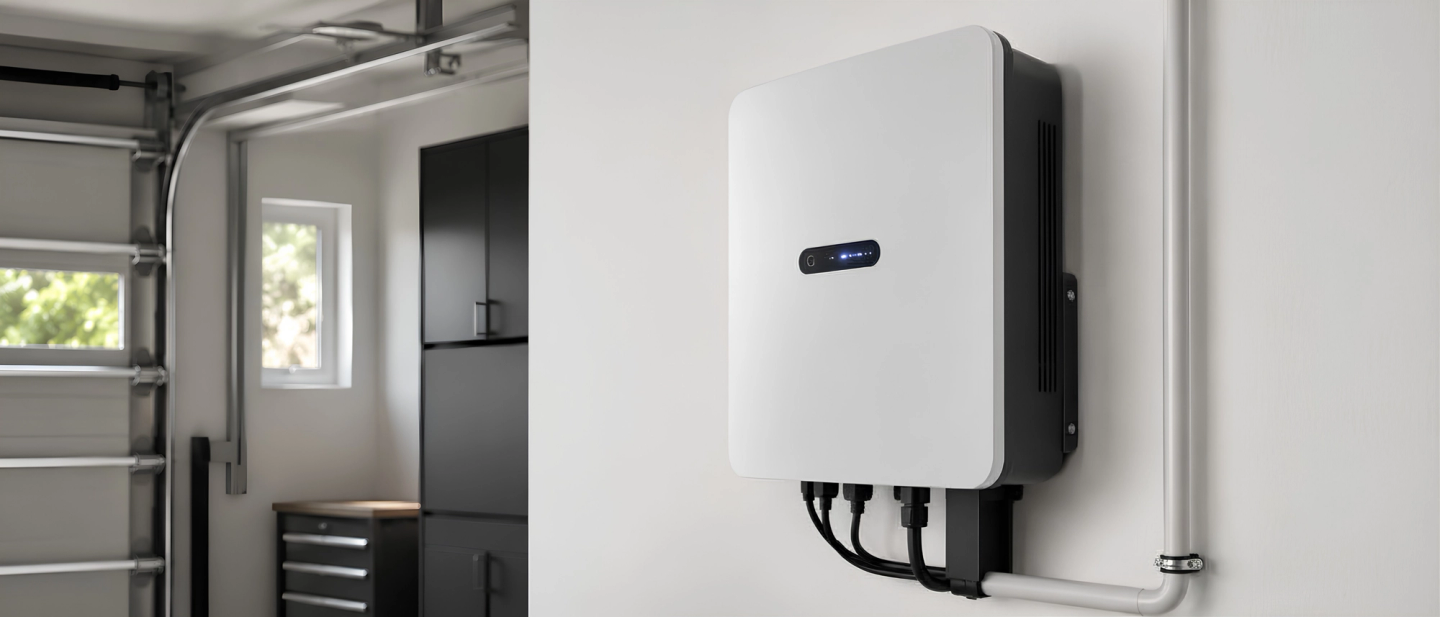
Australia Battery Rebate 2026: Solar Installer Guide
The Scale of the Opportunity Your Competitors Are Already Chasing
Approximately 3.7 million Australian homes have a rooftop solar system and no battery storage. These are not prospective solar customers. They are your past clients, your service area's existing solar homeowners, and every household that made a solar decision before storage economics became as compelling as they are today. The Cheaper Home Batteries Program has changed the financial equation for every single one of them.
The program launched on July 1, 2025, and has since been expanded to an estimated AUD 7.2 billion over 4 years under the federal scheme. The mechanism is a direct subsidy reducing the client's upfront battery installation cost. From 1 May 2026, the program moved to updated STC settings and battery-size tiering under the federal scheme. The core mechanism remains: a qualified installation by a CEC accredited battery installer qualifies the client for a meaningful upfront cost reduction that makes battery storage financially compelling across most of the 3.7 million eligible homes.
IndexBox's March 2026 market analysis recorded a 35 percent surge in battery installations in the month before the May update took effect, as installers and clients accelerated decisions ahead of any program changes. The market is moving. The question is not whether battery retrofits will become a primary revenue stream for Australian solar installers. The question is whether you will be accredited to capture that revenue before your competitors are.
Why Battery Economics Have Never Been Stronger
The core financial case for battery retrofits depends on the spread between what a client earns for exporting solar generation to the grid and what they pay to import electricity. In most Australian states and territories, that spread has never been wider.
Feed-in tariffs in many areas now sit at 2 to 8 cents per kWh. Grid import rates are typically 30 to 40 cents per kWh. Every unit of solar generation that a battery allows the client to self-consume rather than export is worth roughly 4 to 8 times more than the feed-in income it replaced, depending on the specific tariff pairing. A 10 kWh battery that enables a household to shift 5 kWh per day from export-then-reimport to direct self-consumption generates roughly AUD 550 to AUD 700 per year in avoided cost. Against a net installed cost after rebate of AUD 5,000 to AUD 8,000, the payback period in most markets is now 7 to 12 years, with a decade or more of essentially free electricity value beyond payback.
These economics improve further for households on time-of-use tariffs where peak rates reach 50 to 60 cents, for households with EV chargers that create significant evening demand, and for homes with heat pumps operating on overnight heating cycles. For these clients, the battery case is exceptionally strong. They are often the clients in your installed base who have been asking about storage for the past two years.
The CEC Battery Accreditation Gate
There is one barrier between you and this market that is entirely within your control to remove: CEC battery accreditation. The Cheaper Home Batteries Program requires the battery to be CEC-approved and the installer to meet the applicable national installer-accreditation requirements. Solar accreditation alone does not qualify. If you hold solar accreditation but not battery accreditation, your clients cannot access the federal rebate through you. They will call a competitor who holds both.
The CEC battery accreditation training is available online through the CEC's training portal and typically takes 2 to 4 weeks to complete depending on time allocated. It is not an onerous technical barrier for someone who already understands solar installations and electrical systems. The barrier is time and prioritisation, not difficulty.
The calculation is simple: every week you operate without battery accreditation is a week you are handing battery retrofit jobs to competitors. If your service area contains 500 past solar clients now eligible for the battery rebate, and a modest 8 percent convert to battery installations over the next 12 months, that is 40 jobs. At an average installation value of AUD 12,000, that is AUD 480,000 in revenue that belongs in your business and not a competitor's.
How to Work Your Existing Client Base
The highest-conversion starting point for battery sales is not advertising, referral programs, or cold outreach. It is your own installed base. Every residential solar client you have ever installed for is a warm prospect for a battery retrofit. They already bought solar from you. They already trust you. The only question is whether you have told them about the battery opportunity.
A simple outreach message to past clients works: "The federal government has introduced significant battery rebates. Given that you already have solar on your home, your system is designed to work with battery storage. I would like to spend 10 minutes running through what the battery option looks like for your specific system and usage pattern." That message is honest, relevant, and gives the client a reason to respond.
From 50 messages to past clients, most installers running this outreach report 5 to 10 serious conversations. From those conversations, 2 to 4 typically proceed to site assessment and proposal. From those proposals, 1 to 3 convert to signed jobs. That is a conversion funnel generating real revenue from a client base you already own, with a product that has never had better government support or better underlying economics.
What the May 2026 Program Changes Mean
The May 2026 updates revised the rebate tier structure and processing requirements. The current parameters are on the DCCEEW program page, updated as the program evolves. Key installer requirements are unchanged: CEC battery accreditation, approved product installation, and correct claim processing through the program portal.
A point of practical importance: do not present a combined federal plus state rebate figure to clients without first verifying that both programs permit stacking. South Australia's Virtual Power Plant and Home Battery Scheme, Victoria's Solar Homes Program, and other state programs have specific rules about concurrent federal subsidies. Overstating the combined rebate and then having to revise it down damages trust at the most critical point in the sales process.
Battery Sizing: Getting It Right the First Time
The most common error in battery retrofit proposals is undersizing. An undersized battery fills within the first two to three hours of peak solar production and provides limited benefit for the rest of the day. The client ends up with a smaller bill reduction than their expectation and a perception that the battery is not delivering value.
The right sizing principle: battery capacity in kWh should approximately match the household's daily evening consumption from the grid before solar. For a typical Australian 4-person household, this is 3 to 8 kWh. For a household with an EV charger, add 10 to 15 kWh. For households on time-of-use pricing wanting to avoid peak rates from 4pm to 10pm, size to cover that window completely with some buffer.
A well-sized battery for most households is 10 to 13 kWh. Below 8 kWh for a family home often undersizes relative to evening consumption. Above 15 kWh for a home without EV charging or heavy evening loads typically oversizes beyond what the solar generation can reliably fill each day, extending the payback period unnecessarily. Get the specific household's consumption data from their last 3 to 6 months of bills before finalising the recommendation.
Frequently Asked Questions
Q1. Can I install a battery under the program with solar accreditation only?
No. The program specifically requires Clean Energy Council battery accreditation, separate from and in addition to solar accreditation. An installation performed by an installer holding only solar accreditation will not qualify the client for the rebate, and a claim submitted will be rejected. The CEC battery accreditation training is available online through the CEC's training portal and typically takes 2 to 4 weeks depending on the time allocated. It is not technically onerous for someone with an existing solar background. The only barrier is the time required to complete the modules and assessment. Each week without battery accreditation is a week you are transferring jobs to competitors who already hold it.
Q2. Can a client access the battery rebate if their solar was installed several years ago?
Yes. The Cheaper Home Batteries Program is available to eligible households regardless of when their solar system was installed, provided the installation meets current program eligibility criteria. A client who had solar installed in 2019 can access the battery rebate today when adding storage, provided a CEC battery accredited installer performs the work and the battery model is on the current approved product list. This is precisely what makes the 3.7 million existing solar households without batteries such a significant market. Their age of solar installation is not a barrier. Your past client relationships are a direct path to this market.
Q3. How do I calculate the payback period for a battery retrofit including the rebate?
The core calculation: net cost after rebate divided by annual savings from battery use. Annual savings come primarily from avoided grid import, calculated as the volume of battery-discharged energy multiplied by the grid import rate at time of discharge. For a household exporting at 5 cents and importing at 35 cents, every kWh shifted from export-then-reimport to direct battery self-consumption is worth 30 cents net. A 10 kWh battery enabling 5 kWh of daily avoided import generates approximately AUD 550 to AUD 630 per year. At a net installed cost of AUD 6,000 after rebate, that is a 9 to 11 year payback. Households on time-of-use tariffs with higher peak rates see faster payback. Always model the client's specific usage pattern rather than applying generic estimates.
Q4. Does the federal battery rebate stack with state-level incentives?
Stacking eligibility varies by state and program and must be verified rather than assumed. South Australia's Virtual Power Plant incentives and Home Battery Scheme have specific rules about concurrent federal subsidies. Victoria's Solar Homes Program has similar constraints. In some cases, stacking is permitted. In others, accepting one subsidy makes the installation ineligible for the other. Check the specific eligibility terms of both programs before presenting a combined rebate figure to clients. Overstating the available support and then having to revise it down damages trust at the most critical point in the conversion process. When in doubt, present only the federal rebate and note that additional state support may be available subject to eligibility verification.
Q5. Which battery brands currently qualify under the program?
The program maintains a current approved product list on the DCCEEW program page at energy.gov.au. Major brands including Tesla Powerwall, Sungrow, Alpha-ESS, Enphase, and SolarEdge products are represented, subject to individual model eligibility criteria. The approved list is updated periodically as new products are assessed. Always verify that a specific battery model is on the current approved list before specifying it to a client. Recommending a product that is not on the approved list, or that was approved under a previous program version but has since been removed, will result in a failed rebate claim and a very difficult client conversation. Check the list at the point of proposal preparation, not based on a list reviewed three months ago.
Q6. What battery capacity is appropriate for most Australian solar homes?
The practical sizing guide: match battery capacity to the household's daily evening consumption from the grid before solar. For a standard 4-person household, this is 3 to 8 kWh. For households with EV charging, add 10 to 15 kWh. For time-of-use tariff clients wanting to avoid peak rates from 4pm to 10pm, size to cover that window completely with buffer. The most common well-sized range for standard households is 10 to 13 kWh. Below 8 kWh for a family home often undersizes relative to evening consumption. Above 15 kWh for a home without EV charging or heavy evening loads typically oversizes beyond what solar generation can reliably fill each day, extending payback unnecessarily. Get the specific household's consumption data from their last 3 to 6 months of bills before finalising the recommendation.
Sources
- DCCEEW , energy.gov.au , Cheaper Home Batteries Program, AUD 2.3 billion, eligibility, accreditation requirements
- IndexBox , indexbox.io , 35% battery surge March 2026 ahead of program changes
Related Articles
Solar & Storage Live UK 2026: EPC Guide
NEC Birmingham, September 22-24. Confirmed speakers, six conference tracks, and the live grid-connection fight EPCs should actually watch.

Solar Design Software for EPCs in Botswana
Botswana's Rooftop Solar Programme runs through BPC. What EPCs need for compliance, and how Reslink fits a market just getting started.
US Energy Storage Hits Record 20.2 GWh in Q2 2026
US energy storage hit a record 20.2 GWh in Q2 2026, 44% paired with solar. What the SEIA/Benchmark data signals for solar EPCs globally.