
PM Surya Ghar's Subsidy Got Bigger — Are You Using the New Numbers?
What Changed in January 2026
The PM Surya Ghar scheme continues to offer a tiered central subsidy based on the size of the system installed. The official residential subsidy slabs most EPCs should quote today are straight forward and client-friendly.
The subsidy tiers as they stand today:
- 1 kW system: Rs 30,000 subsidy
- 2 kW system: Rs 60,000 subsidy
- 3 kW and above: Rs 78,000 subsidy (maximum cap)
For most residential clients, a 2 to 3 kW system covers the majority of their electricity consumption. What matters in the sales conversation is not an internal per-kWp formula but the final subsidy the household can actually claim under the current rules. If your proposal is still underselling the practical subsidy available for the client’s system size, you are making solar look more expensive than it needs to.
State Top Ups That Most EPCs Are Not Quoting
The central government subsidy is the same across India. But several states have added their own top up schemes on top of PM Surya Ghar, and EPCs in those states who are not quoting the combined number are underselling the scheme significantly.
- Gujarat runs the SURYA (Surya Urja Rooftop Yojana) scheme alongside PM Surya Ghar. Industry references indicate that Gujarat households may be able to combine central support with a state-level top-up, but EPCs should verify the exact current amount through GUVNL or the official state portal before quoting it as a fixed rupee figure. Gujarat still remains one of the strongest examples of how state support can materially improve the residential rooftop pitch.
- Maharashtra offers the Ghar Ghar Solar campaign under which households pay only approximately one third of the cost upfront, with the rest recovered through electricity bill savings over time. MSEDCL also supports group net metering for housing societies, allowing multiple flats to share one solar installation — a significant opportunity for EPCs working in apartment buildings in Pune and Mumbai.
- Andhra Pradesh launched the PM Surya Ghar Utsav in Nandyal district, offering 100% subsidy for SC and ST household installations, with other eligible categories receiving up to 40%. If you are an EPC in AP targeting BPL or SC/ST communities, the client cost is near zero — which changes the sales conversation entirely.
- Karnataka supports Virtual Net Metering for housing societies. If you are installing for apartments in Bengaluru, the combination of subsidy plus export-credit potential can make the financial case much stronger — but EPCs should always verify the latest BESCOM or KERC-approved rate before quoting a per-unit export figure.
How to Update Your Pitch Right Now
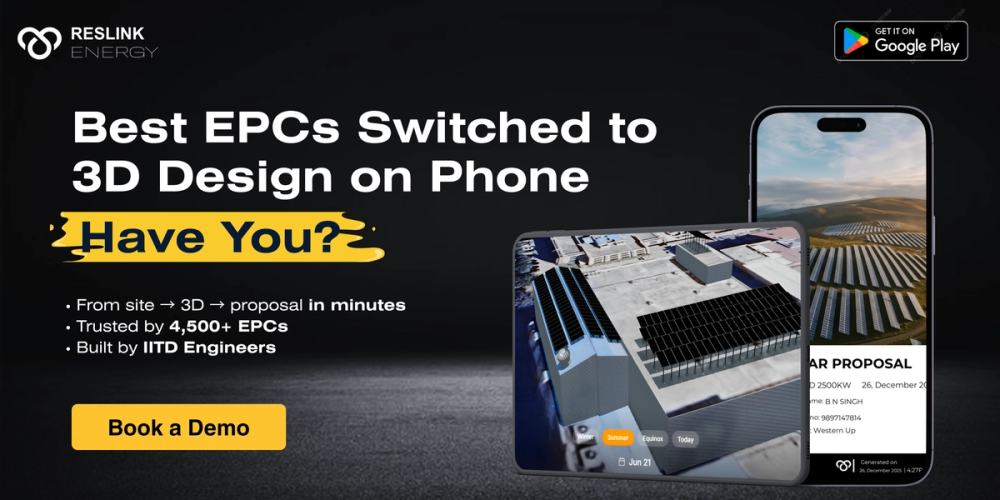
The key change is simple: your proposal should show the client exactly how much the government is contributing, in rupees, before they pay anything. Most clients think solar is expensive. When the first thing they see is "Government of India contributes Rs 78,000 to your installation," the frame changes from "can I afford solar" to "how much do I pay after the government contribution."
For EPCs in Gujarat, quote the combined Rs 1.18 lakh. For EPCs in Maharashtra working on apartments, mention the group net metering and Ghar Ghar Solar campaign. For EPCs in AP working in rural or BPL areas, lead with the 100% SC/ST subsidy. These are not minor footnotes — they are the headline of your sales pitch in those states.
If you are not sure what your state offers in addition to the central scheme, search your state DISCOM's website or the MNRE portal for state specific guidelines. Most state top ups were introduced in 2025 and 2026 and are not well publicised — finding them before your competitor does is a genuine advantage.
Frequently Asked Questions
Has the maximum subsidy amount changed from Rs 78,000?
No. The maximum central subsidy cap remains Rs 78,000 for systems of 3 kW and above. The cleanest numbers for EPCs to use in proposals are still the current slab values: Rs 30,000 for 1 kW, Rs 60,000 for 2 KW, and Rs 78,000 for 3 kW and above. State top ups, where available, are separate from the central amount and should be checked against the latest official state source before quoting them.
Do all states offer a top up above the central PM Surya Ghar subsidy?
No - state top ups are not universal. Some states have additional subsidy layers, alternative payment structures, or special-category support, but the exact benefit differs by state and can change. Gujarat, Maharashtra, and Andhra Pradesh are often cited in recent market discussions, but EPCs should always confirm the latest state rule from the DISCOM or nodal agency website before quoting a specific additional amount.
Can a client get both the central and state subsidy on the same installation?
Yes, in states that offer both. The central subsidy from PM Surya Ghar and the state top up are separate programmes processed through different channels. In Gujarat, for example, the central Rs 78,000 comes through the national portal via Direct Benefit Transfer to the client's bank account, while the SURYA top up is processed through GUVNL's state portal. The client applies for both separately, but a good EPC helps with both applications rather than leaving the state top up to the client to discover on their own.
Sources
- KPIAS Academy — kpiasacademy.com — PM Surya Ghar Scheme AP 2026 — 100% subsidy for SC/ST, PM Surya Ghar Utsav in Nandyal
- MNRE — mnre.gov.in — PM Surya Ghar: Muft Bijli Yojana — official scheme guidelines, subsidy tiers
- PM Surya Ghar Portal — pmsuryaghar.gov.in — National portal for application, vendor registration, subsidy calculation
Related Articles
Net Metering Approvals in India — A Step by Step State Guide for EPCs
Net metering DISCOM approval in India: 7-step process, documents, state rules including UP, and common rejection reasons for EPCs.
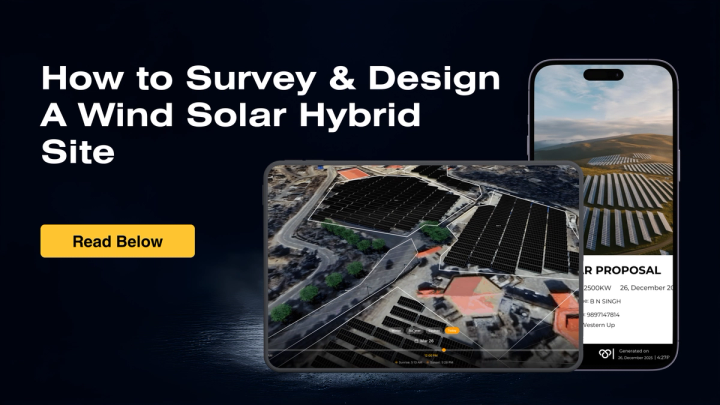
How to Survey and Design a Wind Solar Hybrid Site
Wind solar hybrid projects use the same land, same grid connection, and same substation for both technologies. Here is how solar EPCs should approach a hybrid project in India.

How to Get Your First 50 Solar Leads When You Are Just Starting Out
New solar EPC in India? The 7 lead generation channels that work — from Google My Business and IndiaMart to WhatsApp RWA groups and referral programmes. Step by step, with realistic timelines.