Oil at $126, Hormuz Shut, LPG Vanishing — Why Solar Just Became India’s Most Important Business
The Day the World Woke Up Late
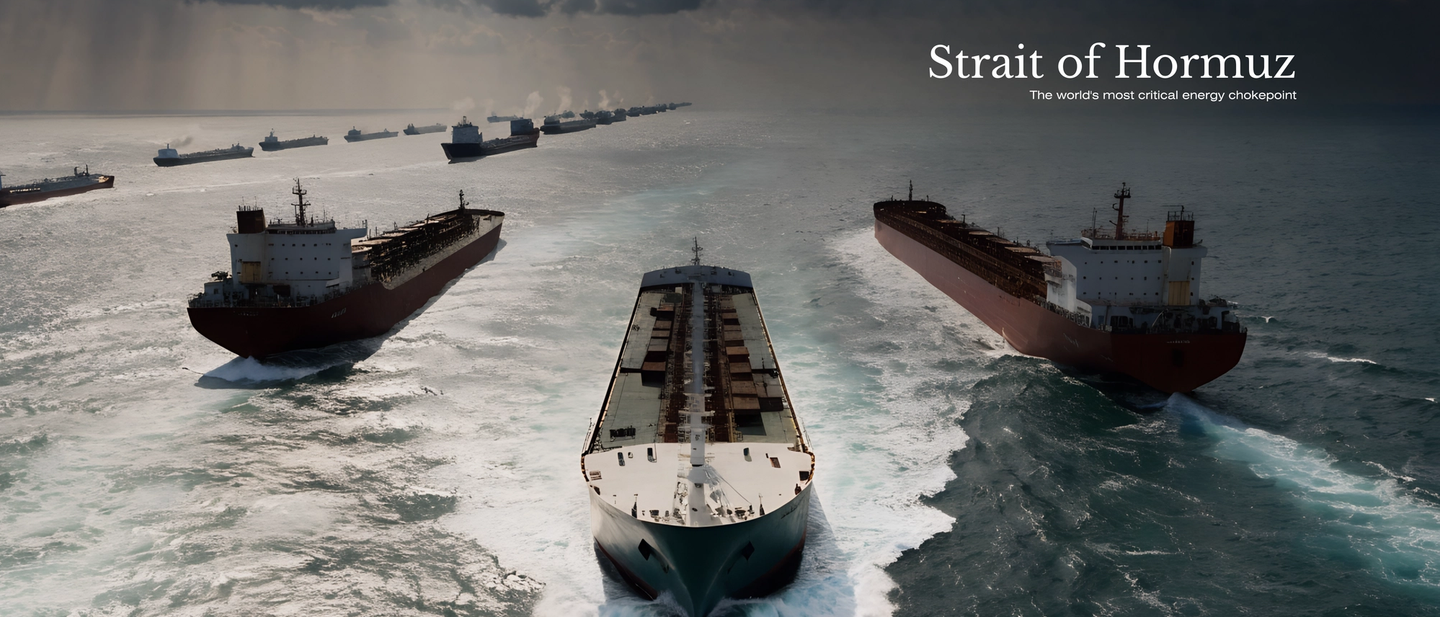
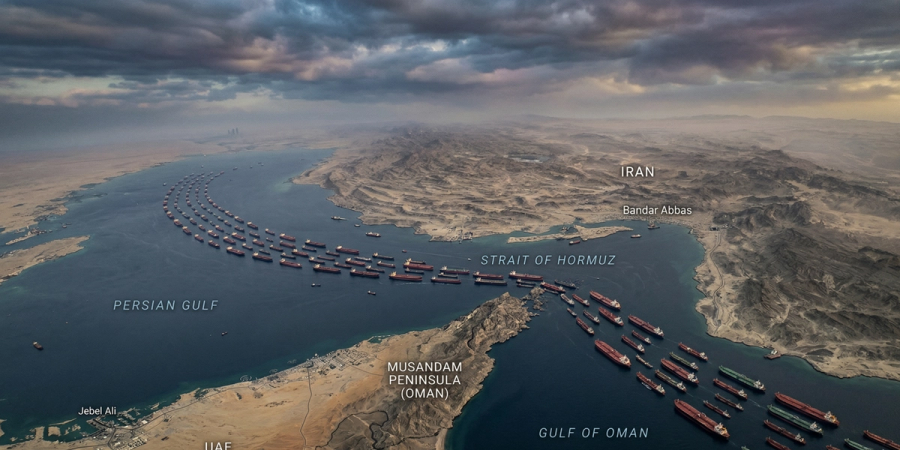
On February 28, 2026, the US and Israel launched strikes on Iran. Within days, Iran effectively shut the Strait of Hormuz — the world's most critical energy chokepoint, through which 40% of India’s crude oil and 90% of its LPG imports flow.
By March 8, Brent crude crossed $100 per barrel for the first time in four years. By the time it peaked at $126, the International Energy Agency had declared it the largest supply disruption in the history of the global oil market — larger than COVID, larger than the Russian invasion of Ukraine, larger than anything the modern era has seen. In response, the Indian government has officially categorized solar installation as an "Essential Service" in energy-deficit states, expediting permit approvals and clearing regulatory bottlenecks. The urgency is no longer theoretical; it is regulatory.
LNG prices have spiked to $25/MMBtu, and India’s urea plants are running at half capacity after force majeure declarations from upstream suppliers. Amazon India reported a 30x increase in induction cooktop sales in just 48 hours as households scramble for alternatives to vanishing LPG. PM Modi told the Lok Sabha that any closure of Hormuz is “unacceptable” and announced emergency energy diversification measures. The Indian Navy is escorting LPG tankers through the strait.
This isn’t a geopolitics article. This is a solar EPC business strategy article. Because everything happening right now is creating the single largest demand surge for solar energy that India has ever seen — and the EPCs who move fastest will capture it.
What This Means for Your Solar EPC Business — Right Now
Every oil price spike in history has accelerated solar adoption. The 2022 Russia-Ukraine energy crisis drove European solar installations up 47%. This crisis is bigger. The Strait of Hormuz disruption has been called the largest energy supply shock since the 1970s oil crisis. And India, with only 20-25 days of oil reserves (compared to China’s 120 days), is among the most exposed economies.
1. C&I Solar Payback Periods Are Collapsing
When thermal power costs rise (because coal transport costs and gas prices spike), grid electricity rates follow. A factory paying ₹9/unit last month might be looking at ₹11-12/unit by next quarter. That alone drops the solar payback from 4-5 years to under 3 years. Every proposal you send today should include an “energy crisis scenario” ROI calculation showing accelerated payback.
2. “Considering Solar” Clients Are Now “Urgent” Clients
The C&I prospects sitting in your pipeline who said “maybe next quarter” — call them today. The news cycle is doing your sales pitch for you. Every factory owner watching LPG vanish and electricity bills spike is now emotionally and financially motivated to go solar. The EPC who reaches them first with a concrete proposal wins.
3. Government Is Accelerating Solar Policy
PM Modi explicitly linked the Hormuz crisis to India’s renewable energy strategy in his Lok Sabha address. Expect accelerated subsidy disbursements under PM Surya Ghar, faster tender issuance from SECI and state utilities, and potentially expanded BESS incentives. Solar isn’t just a business — it’s now a national security imperative.

The Supply Side Warning: Module Costs May Rise Too
The same war that’s creating demand is also threatening supply. Shipping costs through alternative routes (Cape of Good Hope) have surged. Insurance premiums for cargo have increased. If your supply chain touches any Gulf port, expect delays and cost increases on modules, inverters, and BOS components.
Action: Lock in procurement pricing with your suppliers now. Place advance orders for the next 3-6 months of inventory. The EPCs who secure supply at today’s prices will have a margin advantage when module costs increase.
The Battery Storage Angle Nobody’s Talking About
India’s pivot to electric cooking (induction) is creating a secondary demand wave. More electric cooking means more grid load, especially during evening peaks. This accelerates the case for solar + battery storage at the C&I and residential level. The IESA whitepaper released this week projects 346 GWh of installed battery storage by 2033, and the pipeline already stands at 92 GWh. EPCs who can propose solar + storage today are selling energy independence — the most compelling value proposition in the middle of an energy crisis.
The bottom line: The Hormuz crisis is the biggest demand catalyst for Indian solar in a decade. It won’t last forever — oil prices will eventually normalize. But the deals you close in the next 60 days, using crisis-adjusted ROI numbers and an urgency-driven pitch, will define your revenue for the year. Move now.

Related Articles
KPI Green’s Playbook: From First 15 MW to a 4.74 GW Solar Empire
KPI Green Energy built a 4.74 GW solar portfolio from a 15 MW start. Here's the exact sequence they used — from first CPP project to Khavda Solar Park — and what every EPC can learn from it.
92 GWh of Battery Projects, a 900 MW EPC Turning IPP, and the Pivot to Energy Security
India's battery storage pipeline hits 92 GWh. EPCs are becoming IPPs. The solar business model is shifting under your feet. Here's how to stay ahead.