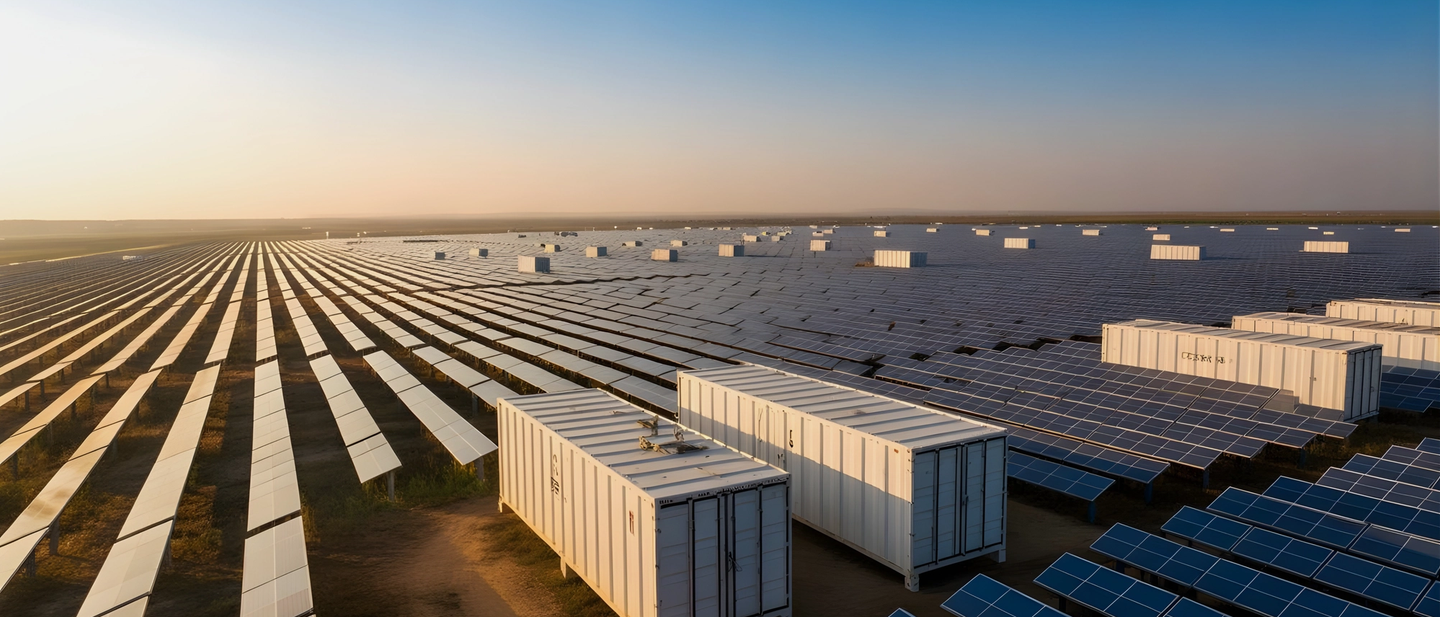
92 GWh of Battery Projects, a 900 MW EPC Turning IPP, and the Pivot to Energy Security
EPCs Who Ignore This Will Be Left Behind
Two things happened in the Indian solar industry this month that, on the surface, look unrelated. But together, they signal a fundamental shift in what it means to be a solar EPC in India.
First: The IESA/CES whitepaper revealed that India's battery energy storage pipeline now stands at 92 GWh, with installed capacity projected to reach 346 GWh by 2033 — up from less than 1 GWh today. Sixty-nine new BESS tenders totaling 102 GWh were launched in the past year alone.
Second: Dek & Mavericks Green Energy — a company with a 900 MW EPC portfolio — announced its transition into the IPP (Independent Power Producer) segment, choosing to own solar plants rather than just build them.
These two moves are connected by the same underlying logic: the solar EPC business model of "build and hand over" is evolving into "build, store, own, and sell." EPCs who don't adapt will find their margins squeezed and their clients going elsewhere.
Why Battery Storage Is No Longer Optional for Rooftop EPCs
If you think BESS is only for utility-scale developers, consider what's happening on the ground. The Hormuz crisis has triggered a mass adoption of electric induction cooking — Amazon reported 30x sales increases in 48 hours. That means more grid load at peak hours. C&I clients are now asking for solar + storage not because they're environmental enthusiasts, but because they need backup power and peak shaving to survive rising electricity costs.
A solar-only C&I project might be worth ₹50-70 lakhs. Add a 100-200 kWh battery system and the project value increases to ₹80-110 lakhs — a 40-60% revenue jump on the same client relationship. Storage also creates recurring O&M revenue that pure solar installations rarely generate.
The IPP Path: Build It, Own It, Sell the Power
Dek & Mavericks' move from EPC to IPP reflects a growing realization: building solar plants for others is profitable, but owning them builds generational wealth. An IPP earns recurring revenue from 25-year PPAs, uses operating plants as collateral for debt financing to build more, and captures margins at both the construction and power-sale levels.
You don't need a 900 MW portfolio to start. The hybrid path works: continue your core EPC business, selectively retain ownership of 1-2 smaller projects (1-5 MW) per year, use EPC profits to fund the equity portion, and build a portfolio gradually. Companies like KPI Green and Avaada started exactly this way.
What Your EPC Should Do in 2026
If you're a small/mid EPC (under 50 MW/year): Start by learning to design and propose solar + storage systems. Partner with a BESS supplier (Envision, BYD, or domestic players like Okaya). Add storage as an upsell option to every C&I proposal. You don't need to be a storage expert — you need to be able to show clients the ROI.
If you're a larger EPC (50+ MW/year): Consider the hybrid EPC + IPP model. Retain ownership of 1-2 projects this year. Build the financial modeling capability to evaluate long-term asset economics (LCOE, IRR, DSCR). The assets you build today will be the backbone of your company's valuation in 5 years.
The solar EPCs who add storage in 2026 will be the market leaders of 2028. The ones who make the IPP leap will build companies that outlast any single project. The question isn't whether to evolve — it's how fast.
Related Articles
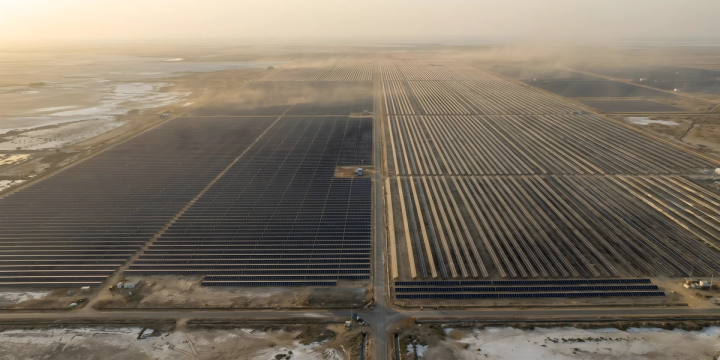
KPI Green’s Playbook: From First 15 MW to a 4.74 GW Solar Empire
KPI Green Energy built a 4.74 GW solar portfolio from a 15 MW start. Here's the exact sequence they used — from first CPP project to Khavda Solar Park — and what every EPC can learn from it.

Oil at $126, Hormuz Shut, LPG Vanishing — Why Solar Just Became India’s Most Important Business
The Hormuz crisis has sent oil past $126 and shut India’s LPG supply. Here’s why solar EPCs are now critical to India’s energy survival — and how to capitalize.