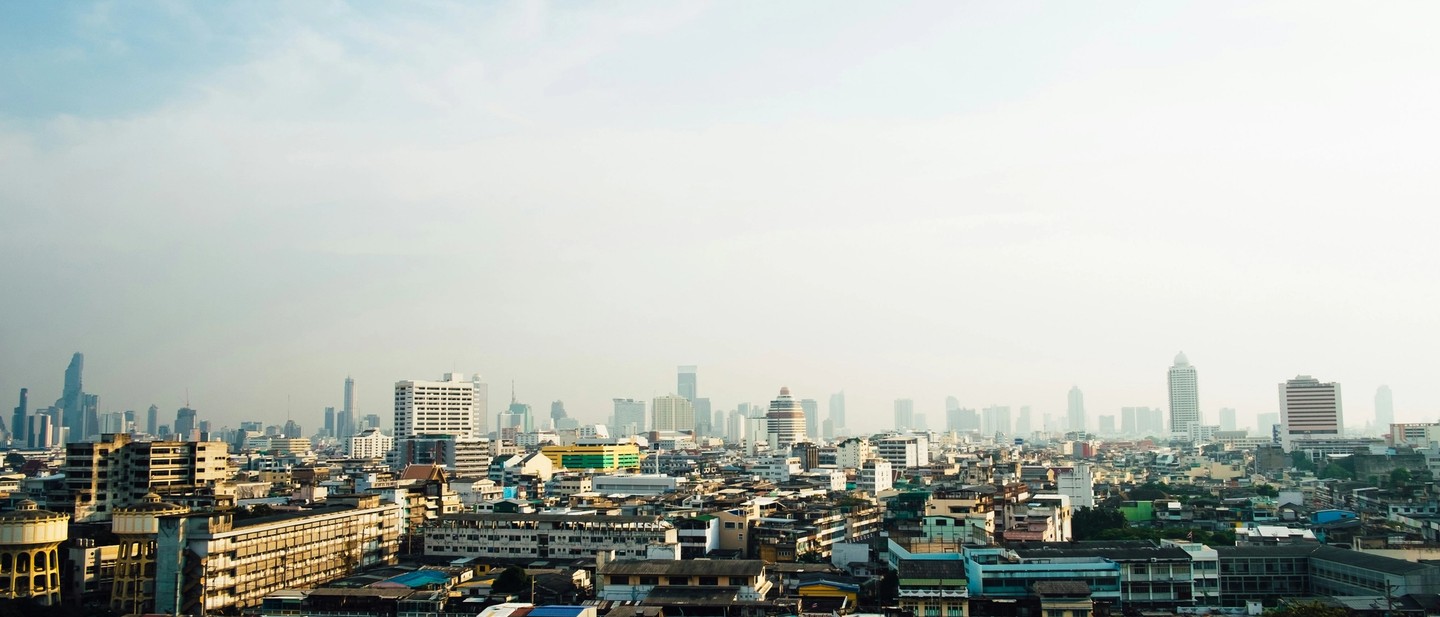
Industrial Rooftop Solar in Thailand – EPC Guide
Why Industrial Rooftop Solar Is Gaining Traction in Thailand
Industrial facilities in Thailand face rising electricity tariffs that erode operating margins. Solar power offers a hedge against price volatility and reduces reliance on the grid. The dense concentration of factories and warehouses in the Bangkok metropolitan area provides ample roof space, making rooftop installations an attractive low‑land‑use solution, and EPCs that can deliver fast, compliant projects stand to capture an expanding market share.
EPC opportunity: Focus on quick‑turnaround proposals that quantify tariff‑avoidance savings. Clear financial upside shortens client decision cycles.
Historical Context and Market Momentum
Thailand’s total installed solar capacity grew from 0.9 GW in 2015 to more than 7 GW by the end of 2023, according to the Ministry of Energy’s 2023 Renewable Energy Statistics report. Industrial rooftop projects accounted for roughly 12 % of that growth, a share that accelerated after the 2022 Power Development Plan emphasized distributed generation. The same report shows that rooftop installations in the manufacturing sector grew at an annual rate of 18 % between 2021 and 2023, outpacing ground‑mount utility projects. This historical trend demonstrates that the policy environment and market demand have been aligning for EPCs that specialize in industrial roofs.
How Rising Electricity Tariffs Influence Industrial ROI
When grid electricity rates increase, the internal rate of return for rooftop solar improves. A modest tariff uplift of 5 % per year can shift a 10‑year payback to under eight years for a typical 1 MW industrial roof. Higher tariffs also make debt financing more appealing because lenders view the stable cash flow from reduced electricity purchases as low risk.

Regulatory Landscape & Permitting for Rooftop Solar in Thailand
Thailand’s renewable energy framework requires EPCs to secure several approvals before construction. The following subsections break down each approval, the key documents, and common pitfalls.
Power Purchase Approval (PPA) from the Provincial Electricity Authority (PEA)
The PEA issues a PPA once the system design, projected output, and protection settings meet the interconnection standards outlined in the Thai Electricity Generating Authority (EGA) technical manual. Applications must include a single‑line diagram, a short‑circuit analysis, and a site‑specific load study. The PEA guideline PDF (PEA Solar Permitting 2022) details the submission checklist and typical review timeline of 30 days.
Building and Structural Clearance
Municipal authorities verify that the roof can support the additional load. EPCs must submit a structural load assessment report prepared by a licensed civil engineer, referencing the Thai Building Code’s live load requirements (minimum 250 kg m⁻² for reinforced‑concrete roofs). The local district office may request a reinforcement plan if the existing structure falls short.
Fire Safety Clearance
The Fire Department reviews panel layout to ensure that fire‑fighting access routes remain unobstructed and that any fire‑stop barriers comply with Thai Fire Safety Regulation TB 03‑2555. A fire‑safety layout drawing, showing clear aisles of at least 1 m, is required.
Environmental Impact Assessment (EIA) Exemption
Projects under 1 MW are exempt from a full EIA, but a simplified environmental checklist covering waste handling, runoff control, and land‑use impact must still be filed with the Ministry of Natural Resources and Environment. The checklist is available on the ministry’s website and must be signed by a certified environmental consultant.
Each approval must reference the latest edition of the Thai Electricity Generating Authority technical standards for rooftop PV, which are updated biennially.
Technical Design Considerations for Thailand’s Climate
The tropical monsoon climate imposes specific design constraints:
- High humidity and rainfall demand corrosion‑resistant mounting frames, typically aluminium or stainless‑steel, with powder‑coat finishes.
- Heavy rain and occasional hail call for robust clamping systems and tempered glass modules rated for impact.
- Dust and urban smog reduce panel cleanliness; a cleaning schedule of quarterly low‑pressure washes maintains performance.
- Shading from adjacent structures is common in dense industrial parks. Use shading analysis tools such as PVSyst to optimise module placement and avoid significant output loss.
- Temperature coefficients matter; selecting modules with low temperature degradation (≤ ‑0.35 %/°C) mitigates efficiency loss during hot afternoons.
EPC Workflow: From Site Survey to Commissioning
Site Survey and Feasibility
- Conduct a structural load assessment using a portable dynamometer.
- Perform a solar irradiance analysis with a handheld pyranometer.
- Generate a quick financial model that incorporates current tariff rates.
Design & Engineering
- Draft single‑line diagrams adhering to Thai grid interconnection standards.
- Select mounting systems compatible with the roof type (flat or pitched).
- Prepare a Bill of Materials (BOM) using standardized part numbers for ease of procurement.
Permitting & Approvals
- Submit PPA application to the PEA with the engineered design package.
- Obtain municipal and fire department clearances in parallel to reduce lead time.
Procurement & Logistics
- Source modules and inverters from manufacturers with Thai‑certified standards.
- Arrange just‑in‑time delivery to the site to minimise storage constraints.
Installation & Commissioning
- Follow the IEC 61730 and IEC 62446 installation protocols.
- Perform insulation resistance testing, voltage checks, and functional validation.
- Submit final commissioning report to the PEA for grid connection.
Financing Options and Incentives Available in 2026
Thailand offers several mechanisms to improve project economics:
- Renewable Energy Promotion Fund (REPF) grants covering up to 30 % of upfront capex for eligible industrial rooftop projects.
- Soft‑loan facilities from state‑owned banks with interest rates 2 - 3 % lower than market rates.
- Tax depreciation under the Accelerated Depreciation Scheme, allowing a 50 % write‑off in the first fiscal year.
- Feed‑in Tariff (FiT) exemptions for self‑consumption installations, simplifying revenue modelling.
EPCs should embed these incentives into the financial model to present a compelling net‑present‑value (NPV) case for clients.
Recent Bangkok Industrial Rooftop Installations – Snapshot
In the past six months, three major manufacturers in the Bangkok industrial zone have commissioned rooftop PV systems ranging from 0.8 MW to 2 MW. Key observations:
- All projects secured REPF grants before construction, reducing capital demand.
- Design teams favoured monocrystalline modules with bifacial technology to capture reflected ground albedo.
- Installation timelines averaged 10 weeks from permit issuance to commissioning, thanks to pre‑approved standard designs.
These examples illustrate the feasibility of rapid deployment when EPCs align design, permitting, and financing early.
Practical Tips for EPCs to Capture Rooftop Opportunities in Thailand
- Standardise design kits for common roof types to accelerate proposal generation.
- Maintain a regulatory checklist updated with the latest PEA and municipal requirements.
- Build relationships with REPF administrators to streamline grant applications.
- Offer a bundled O&M package that includes cleaning, performance monitoring, and warranty management.
- Leverage digital twins for remote site assessments, reducing travel costs and speeding up feasibility studies.
Actionable insight: Deploy a cloud‑based proposal tool that auto‑calculates tariff savings and incentive impacts; this shortens client review cycles dramatically.
Reslink’s solar design and proposal platform integrates Thailand’s regulatory databases, automatically populating permit checklists and generating compliant BOMs. By using Reslink, EPCs reduce manual effort, minimise errors, and accelerate time‑to‑proposal for industrial rooftop projects.
Frequently Asked Questions
Q1. How do I determine if a Thai industrial roof can support a solar array?
Start with a structural load assessment using the roof’s design load rating, typically 250 kg m⁻² for reinforced concrete. Compare this against the weight of the mounting system plus modules (≈ 20 kg m⁻²). If the margin exceeds 30 %, the roof can safely host the array. Document the analysis in the permit package to satisfy municipal authorities.
Q2. What is the typical payback period for a 1 MW rooftop system in Thailand?
When current industrial tariffs exceed THB 5 /kWh, a 1 MW system generally achieves a payback of 7 - 8 years, assuming REPF grant support and standard maintenance costs. The exact figure varies with site‑specific irradiance and shading.
Q3. Which incentives are currently available for new industrial rooftop projects?
The Renewable Energy Promotion Fund offers up to 30 % capex grants, and state‑owned banks provide soft‑loan terms with interest rates 2 - 3 % below market. Additionally, accelerated depreciation allows a 50 % tax write‑off in the first year.
Q4. Do I need an environmental impact assessment for a rooftop project under 1 MW?
Projects below 1 MW are exempt from a full EIA, but a simplified environmental checklist covering waste handling, water runoff, and land use must still be submitted with the permit application.
Q5. How does the PEA approve grid connection for rooftop solar?
The PEA reviews the single‑line diagram, protection settings, and inverter specifications against Thai interconnection standards. Once the technical review passes, the PEA issues a grid‑connection agreement, typically within 30 days of a complete submission.
Q6. What mounting system is recommended for high‑humidity environments?
Aluminium frames with anodised or powder‑coated finishes resist corrosion in humid conditions. For flat roofs, ballasted mounting avoids penetrations, while for pitched roofs, tilted racks with anti‑slip pads are preferred.
Q7. Can I integrate battery storage with an industrial rooftop system?
Yes, battery energy storage systems can be added to increase self‑consumption and provide backup power. The design must include an additional grid‑interconnection study and comply with the Thai Energy Storage Regulations, which are under development as of 2026.
Q8. How often should rooftop panels be cleaned in Bangkok’s urban environment?
A quarterly cleaning schedule is advisable to remove dust and pollutants that can reduce output by up to 5 % between cleanings. Use low‑pressure water jets to avoid damaging module surfaces.
Q9. What insurance coverage is required for an industrial rooftop solar project in Thailand?
The Thai Insurance Association recommends a combined package of construction all‑risk (CAR) insurance covering equipment loss during erection, and post‑commissioning liability insurance covering third‑party injury and property damage. Both policies must list the EPC as an insured party and be issued by a licence‑holding insurer approved by the Office of Insurance Commission.
Q10. How can EPCs verify that a supplier’s equipment meets Thai certification standards?
Manufacturers must hold a Certificate of Conformity (CoC) issued by the Thai Industrial Standards Institute (TISI). EPCs should request the CoC document and cross‑check the listed standard number (e.g., TISI 028/2563 for inverters) against the official TISI database. Maintaining a verified supplier list reduces the risk of non‑compliant hardware during the PPA review.
Related Articles
GRE Renew Enertech Order Book 2026: EPC Takeaways
GRE Renew Enertech’s 2026 order book surge signals new demand for Indian solar EPCs. Learn impacts, strategies, and market trends in this deep dive.
Understanding AC vs DC Solar Panels for EPC Projects
Learn the key differences between AC‑coupled and DC‑coupled solar panels, how they affect EPC design, and what standards guide their use.
Peak and Off-Peak Electricity Hours for Solar Systems
Learn how peak and off‑peak electricity hours affect solar system design for EPCs, with key insights on time‑of‑use tariffs and duck‑curve impacts.