India's Wind Energy Just Had Its Best Year — Hybrid Is Next for EPCs
India's Wind Sector Just Crossed a Threshold That Changes How Solar EPCs Should Think
India added 6.05 GW of wind capacity in FY2026 — the highest ever in a single year, according to the Ministry of New and Renewable Energy. This was a 46% increase over the 4.15 GW added in FY2025, and the first time India had broken through the 6 GW wind addition barrier. Total cumulative wind capacity crossed 56 GW, placing India fourth globally. The Ministry's press release noted that this growth was "underpinned by a growing pipeline of wind solar hybrid projects and the progressive rollout of green energy open access."
The reason this matters to solar EPCs — companies that primarily work with panels, inverters, and string configurations — is that it signals a market structure shift. For most of the last decade, solar and wind were separate procurement categories handled by separate developers with separate EPC contractors. That separation is ending. The rapid growth of hybrid tenders, round the clock supply contracts, and C&I energy procurement programmes is creating demand for projects that combine both technologies, often with battery storage, into a single dispatchable supply arrangement. The EPC who can navigate both is entering a significantly higher value market than the one who can only supply daytime solar generation.
Why Wind and Solar Generate Better Together
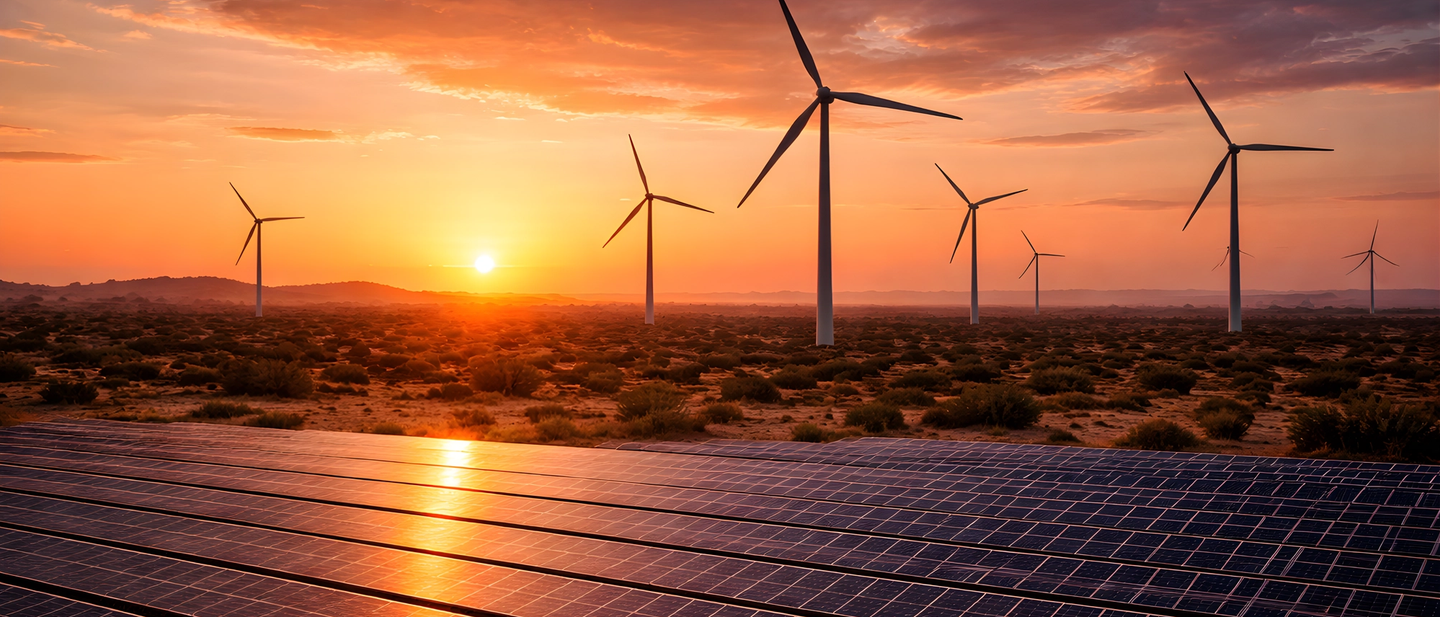
The core technical logic of hybrid projects is straightforward: solar generates most strongly between 10 AM and 3 PM, with a hard cutoff at sunset. Wind generates most strongly during evenings and nights, particularly in India's windy coastal and plateau zones, and during the pre monsoon and monsoon seasons when solar generation dips. A project that combines both resources produces electricity across a far wider daily window than either alone — and with storage added to bridge the remaining gaps, can approach the profile of a conventional thermal plant that supplies power on demand at any hour.
Why C&I Customers Are Driving This — and What They Are Asking For
The most important demand signal in the FY2026 wind data is that commercial and industrial customers drove approximately 75% of wind additions through captive power and open access arrangements. These are large factories, data centres, commercial real estate portfolios, and industrial parks that consume significant electricity, face rising grid tariffs, and have sustainability commitments that require verified green energy supply rather than just renewable energy certificates.
What these clients increasingly want is not a solar installation that generates electricity during the day and leaves them dependent on the DISCOM for the rest of the time. They want a supply contract that covers their consumption profile across the day — which means evening and nighttime coverage, demand flexibility, and ideally a PPA that provides price certainty across 15 to 25 years. This is precisely what hybrid renewable projects with storage enable. The Adani Power 2,500 MW round the clock contract with Maharashtra State Electricity Distribution Company is a utility scale example of exactly this structure applied at a large scale.
For EPCs who serve C&I clients, the question is not whether this shift will affect the segment — it will. The question is whether you are positioned to offer it or whether you will watch a portion of your C&I pipeline migrate toward EPC companies that can propose a full supply solution rather than a daytime solar installation.
What Solar EPCs Need to Enter the Hybrid Segment
Understanding wind resource basics for your geography. Wind generation potential varies significantly by state. Gujarat, Karnataka, Tamil Nadu, Rajasthan, and Maharashtra have the strongest wind resources and the most active hybrid project pipelines. An EPC whose core market is in one of these states has the most immediate opportunity to add wind to their project design capability. NIWE (National Institute of Wind Energy) publishes wind resource maps at the state level that provide the baseline data for assessing whether a given site is suitable for wind addition alongside an existing or planned solar installation.
Partnering with a wind turbine supplier before tendering for hybrid projects. A solar EPC does not need to become a wind engineering firm to enter hybrid projects. What is needed is a supply relationship with a turbine manufacturer or wind project developer who can co execute the wind component. Several of the larger turbine manufacturers — including Suzlon, Siemens Gamesa, and GE Vernova — have EPC partnership programmes designed for exactly this type of arrangement.
Understanding the ISTS waiver that is supporting hybrid growth. The government has waived inter state transmission system (ISTS) charges for renewable energy projects until June 2028. For hybrid projects that combine wind from Karnataka with solar from Rajasthan, for example, this waiver significantly reduces the delivered cost of power to a buyer in Maharashtra — making the economics of geographically distributed hybrid supply considerably more attractive than they would be without it. EPCs who understand this mechanism can explain it to clients and use it as a differentiating factor in their proposals.
Sources
- Ministry of New and Renewable Energy (MNRE) via PIB — pib.gov.in — "India achieves highest-ever annual wind energy addition of 6.05 GW in 2025-26" (April 2026)
- Power Peak Digest — powerpeakdigest.com — Adani Power 2,500 MW round the clock Maharashtra contract LoA (April 1, 2026)
- Mercom India — mercomindia.com — "India Tops Brazil to Rank 3rd in Renewable Energy Capacity Globally" (April 2026) — wind data confirmed
- Saur Energy — saurenergy.com — "India Posts Record Wind Capacity Addition of 6.05 GW in FY26" (April 2026)
- National Institute of Wind Energy (NIWE) — niwe.res.in — Wind resource data and state level assessment maps
Related Articles
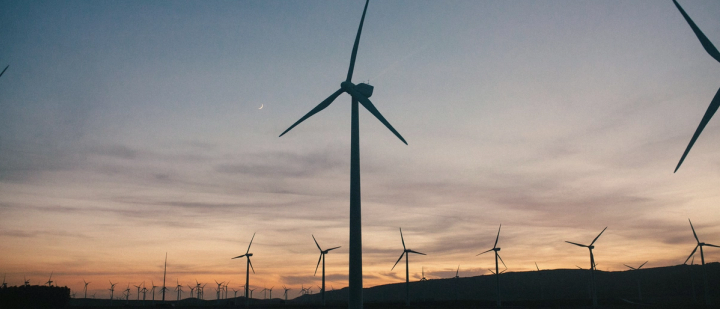
EU Hybrid Solar‑Wind Projects: An EPC‑Focused Guide
EU hybrid solar-wind EPC guide using Spain and Germany cases: shared grid connections, Frontones, Vattenfall, permits and guarantee rules.
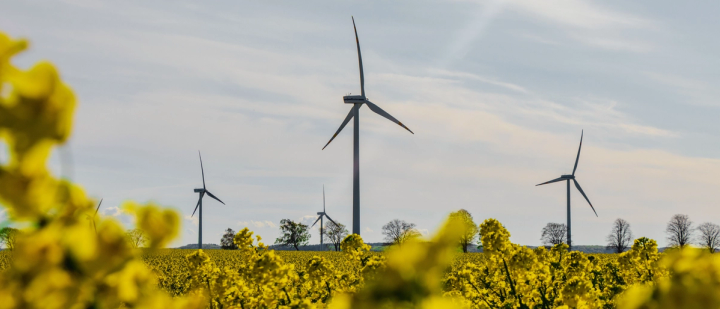
How to Survey and Design a Wind Solar Hybrid Site
Wind solar hybrid site guide for Indian EPCs: how it differs from pure solar, shared land, grid connection and substation, and the survey process.
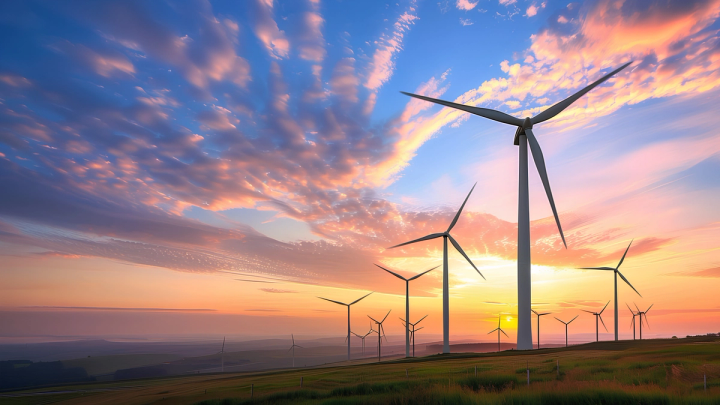
India Is Targeting 100 GW of Wind by 2030
India targets 100 GW wind by 2030, up from 56 GW today, 44 GW in four years. Solar EPCs partnering into wind projects can access this pipeline.