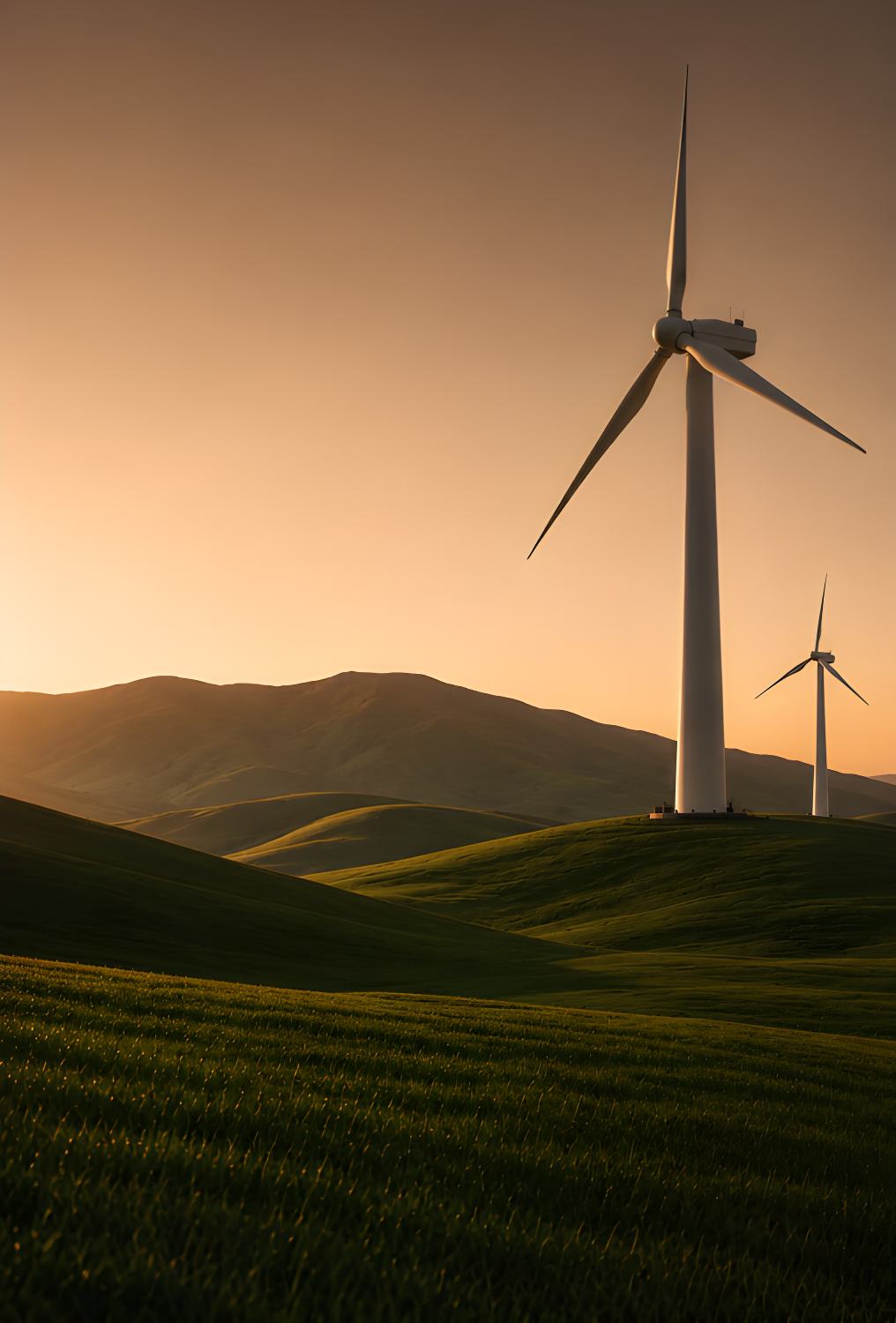
India Is Targeting 100 GW of Wind by 2030
The 100 GW Announcement in Context
The Minister's 100 GW by 2030 target represents a significant acceleration. From 56 GW today to 100 GW in four years requires adding 11 GW per year — nearly double the FY2026 record of 6 GW. This is achievable but requires multiple conditions: faster SECI tendering, streamlined land acquisition in wind rich states, transmission capacity additions in Gujarat and Tamil Nadu, and a larger developer and contractor ecosystem than currently exists.
The 28 GW currently under implementation provides a partial bridge. If this capacity commissions on schedule, India could be at 75 to 80 GW by 2027. The remaining 20 to 25 GW needs to be tendered, contracted, and built in 3 to 4 years — a compressed timeline for a sector that faces long lead times for turbine procurement and civil infrastructure.
Where Solar EPCs Fit Into the Wind Pipeline
Solar EPCs should not try to become wind turbine installers. Turbine installation is a specialised, equipment intensive discipline requiring cranes, turbine specific civil works, and competencies that take years to build. But the wind market does not require solar EPCs to install turbines. It requires them to install solar, and that solar increasingly sits alongside wind on the same project site.
Wind solar hybrid projects combine wind turbines and solar panels at the same location, sharing a single grid connection, transmission corridor, and substation. The hybrid configuration produces a more consistent output — wind generates more at night and during monsoon, solar generates during the day — reducing curtailment and improving the value of the power being sold. MNRE's National Wind Solar Hybrid Policy has been driving hybrid tender issuance since 2018, and the pace is accelerating.
In a hybrid project, the solar component is the part where a solar EPC's skills are directly applicable. Wind turbine installation is done by the turbine OEM's service arm or a specialised wind EPC. The solar array, inverters, mounting structures, and substation integration for the solar portion are squarely within a solar EPC's capability. The business model is a partnership between a wind developer or wind EPC and a solar EPC, with each handling their own technology domain.
The States to Focus On
India's wind resource is concentrated in a small number of states. The major markets are Gujarat (offshore and onshore), Karnataka, Tamil Nadu, Rajasthan, Andhra Pradesh, and Maharashtra. These are also major solar markets. EPCs already operating in these states are geographically positioned to access hybrid project opportunities without significant travel or relocation.
Within these states, the districts with the highest hybrid project density are: Kutch and Saurashtra in Gujarat, Tumkur and Chitradurga in Karnataka, Tirunelveli and Coimbatore in Tamil Nadu, and Anantapur in Andhra Pradesh. If you are based in or near any of these districts, you are already in the right location to partner on hybrid project solar work.
How to Make the First Move
The first step is not technical. It is commercial. Identify the wind developers who are most active in your state through SECI's tender award data and news from Mercom or Saur Energy. Contact their business development team and introduce yourself as a solar EPC who is interested in partnering on the solar portion of their hybrid projects. Most wind developers who lack a strong solar execution capability welcome this conversation.
The second step is to understand what a hybrid project solar tender requires. MNRE's hybrid project guidelines define the minimum solar capacity, the maximum land footprint, and the grid connectivity requirements. Read these before your first developer meeting so the conversation starts with credibility.
Frequently Asked Questions
Q1. What is the minimum wind capacity required for a hybrid project tender?
MNRE's Wind Solar Hybrid Policy defines hybrid projects as those combining at least 1 MW of wind and 1 MW of solar capacity, with a single grid connection point. In practice, SECI's hybrid tenders have been for much larger capacities — typically 50 MW to 1,000 MW. However, some states including Karnataka and Tamil Nadu allow smaller hybrid projects for captive or C&I buyers. For EPCs looking to enter the hybrid space with a smaller first project, state level captive hybrid projects (50 to 200 MW total) are a more accessible entry point than the large SECI utility tenders.
Q2. Does the ISTS waiver apply to hybrid projects?
Yes. The Interstate Transmission System charge waiver, which exempts projects from ISTS charges for 25 years, applies to wind, solar, and wind solar hybrid projects that achieve commissioning before June 30, 2028. This waiver is one of the key financial drivers of wind and hybrid project economics in India. Projects that miss the deadline face ISTS charges of Rs 0.40 to 0.60 per unit for their entire operating life, which materially affects project returns. Any hybrid project EPC award today must build a project timeline that achieves commissioning before this deadline, accounting for civil work, turbine delivery, and grid connectivity delays.
Sources
- Business Standard — business-standard.com — Minister Joshi: India will achieve 100 GW wind by 2030, 156 GW by 2036 (April 27, 2026)
- MNRE — mnre.gov.in — National Wind Solar Hybrid Policy, ISTS waiver provisions
- SECI — seci.co.in — Wind solar hybrid tender portal, current active tenders
Related Articles
EU Hybrid Solar‑Wind Projects: An EPC‑Focused Guide
EU hybrid solar-wind EPC guide using Spain and Germany cases: shared grid connections, Frontones, Vattenfall, permits and guarantee rules.
How to Survey and Design a Wind Solar Hybrid Site
Wind solar hybrid site guide for Indian EPCs: how it differs from pure solar, shared land, grid connection and substation, and the survey process.
India Wind Renewable Consumption Obligation 2026
India's new Wind RCO sits alongside solar RPO. With 6.05 GW of wind added in FY2026, here's why solar EPCs should pay attention.