India's ₹5,070 Crore Floating Solar Push: What EPCs Need to Know
Quick Answer
- What is PM-SSY?
Pradhan Mantri Surya Sarovar Yojana, a central government scheme approved July 31, 2026, providing financial assistance for floating solar projects on reservoirs and water bodies, with mandatory battery storage attached to every project. - Is it confirmed policy?
Yes. Cabinet-approved, not a draft or proposal. Implementation guidelines from MNRE and SECI are still expected. - Who is eligible?
All States and Union Territories are eligible for PM-SSY. Implementation runs through SECI, India's Solar Energy Corporation. - What's the single biggest number?
₹1 crore (₹10 million) per MW in Central Financial Assistance, paid after commissioning, against a 5,000 MW target. - What should EPCs do now?
Start assessing whether your firm has, or needs to build, the specific technical capability floating solar requires, this isn't ground-mount work with panels on water, it's a materially different build.
Why This Matters for EPCs
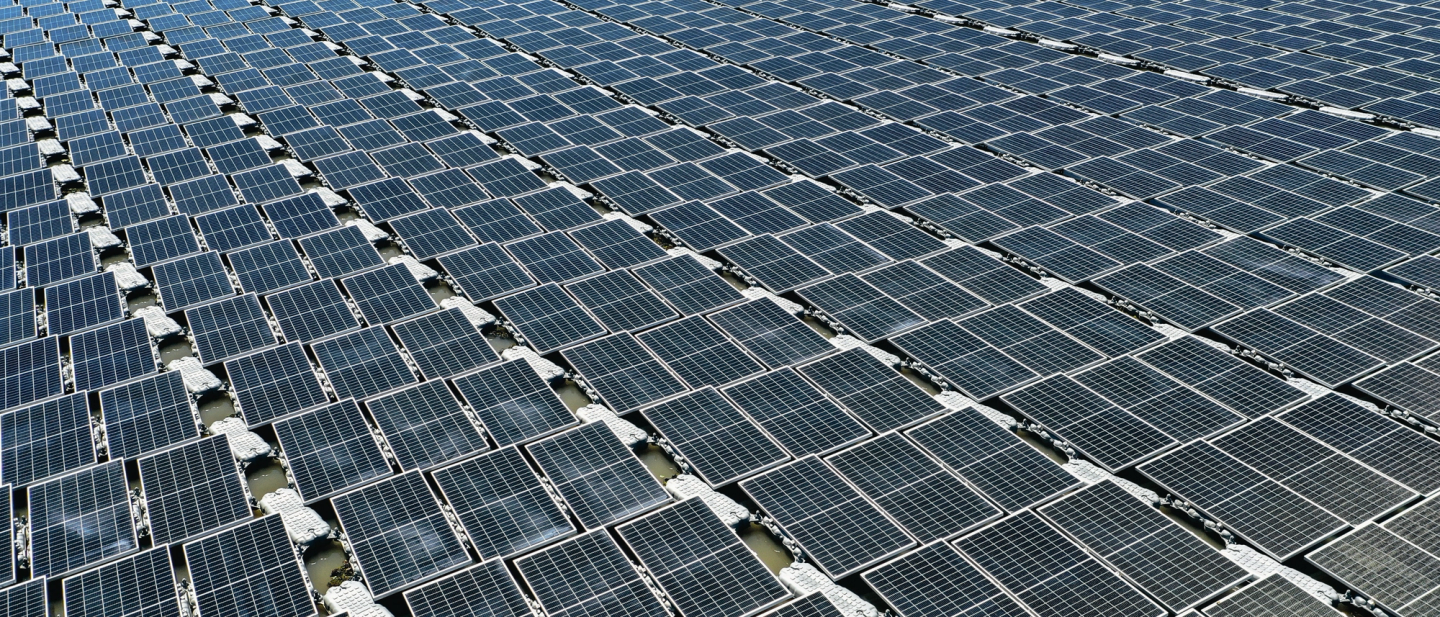
Floating solar has existed in India for years but has stayed a niche segment, current installed base is roughly 700 MW nationally, against an identified technical potential of around 102 GWp across the country's reservoirs and water bodies, per the National Institute of Solar Energy's own assessment. That gap between potential and actual deployment has largely been a financing and de-risking problem, not a resource problem. PM-SSY is a direct attempt to close it with real money attached: ₹5,070 crore is not a token allocation, and pairing every project with mandatory storage signals the government wants dispatchable, grid-friendly floating solar, not just capacity for its own sake.
For EPCs, the opportunity here isn't identical to a standard ground-mount RFP. Floating solar involves genuinely different engineering, buoyant platform systems, anchoring designed for water level fluctuation and wave action, waterproof electrical infrastructure rated for a marine-adjacent environment, and now, under this scheme, integrated battery storage sized and sited on or near the water body itself. Firms that build this capability early, while the segment is still developing, have a real first-mover position in a market segment that's about to receive serious central government financial backing.
What the Scheme Actually Provides
Central Financial Assistance: ₹1 crore (₹10 million) per MW, disbursed after successful commissioning of the floating solar and storage system. This is confirmed directly from Cabinet-approved scheme documentation, reproduced consistently across every source covering the approval.
Capacity target: 5,000 MW of floating solar photovoltaic capacity, which would take India's total floating solar base from roughly 700 MW today to approximately 5,700 MW.
Mandatory storage requirement: every project must include co-located Battery Energy Storage Systems with a minimum of two hours' duration. Across the full scheme, this totals 10,000 MWh of storage capacity, a substantial addition to India's grid-connected storage fleet on its own, independent of the solar capacity it's attached to.
Timeline: projects will be sanctioned between FY2026-27 and FY2030-31. Financial support, the CFA disbursement itself, continues through FY2032-33, giving a longer runway than the sanctioning window alone suggests.
Geographic scope: all States and Union Territories are eligible. The scheme isn't restricted to specific regions, though the practical opportunity concentrates wherever suitable reservoirs, dams, and industrial water bodies exist in sufficient scale.
Implementing structure: MNRE is the nodal ministry; SECI (Solar Energy Corporation of India) implements the scheme directly.
Why Floating Solar Costs More, and Why That's the Point
Floating solar installations typically cost around 25% more than equivalent ground-mounted projects. That premium comes from three sources specific to water-based deployment: the floating platform structures themselves, anchoring and mooring systems engineered to handle water level changes and wave action without damaging the array, and electrical infrastructure built to a higher waterproofing and corrosion-resistance standard than a standard ground-mount installation needs.
That cost premium is also exactly why floating solar has struggled to scale on its own economics until now. A scheme that directly subsidizes the capital cost, ₹1 crore per MW is a meaningful offset against that premium, changes the calculation for developers who previously passed on floating solar in favor of cheaper ground-mount alternatives, even where land availability made floating the more sensible long-term choice.
The land angle is also a real, separate driver behind this scheme, not just a talking point. Floating solar avoids the land acquisition disputes, agricultural land conversion, and community opposition that increasingly slow ground-mount project timelines in India. Reservoirs, dams, and industrial ponds represent water surface area that isn't competing with farmland or habitation, a genuinely different site-acquisition profile than most EPCs are used to navigating.
Who's Already Building in This Space
Floating solar in India isn't starting from zero. The Omkareshwar Floating Solar Park, on the Narmada river in Madhya Pradesh, is the country's existing flagship project and the reference point most industry discussion of this scheme points back to. Waaree, one of India's largest solar manufacturers and EPCs, has cited direct experience through commissioned floating projects at Rubamin in Vadodara, NTPC Kawas in Gujarat, and NLC India in Neyveli, real, delivered projects that demonstrate the technical capability already exists in the Indian EPC market, even if it's currently concentrated in a small number of firms.
That concentration is worth naming plainly for EPCs considering entering this segment: right now, floating solar expertise sits with a handful of companies who've built real project experience. A ₹5,070 crore scheme with a 5,000 MW target creates room for that base to widen, but the firms already active have a genuine head start on both technical capability and reference projects to point to in a bid.
What EPCs Should Do With This Right Now
- Assess your firm's actual floating-solar technical readiness honestly. This is not "ground-mount with different racking." Platform engineering, anchoring design for site-specific water conditions, and marine-grade electrical infrastructure are specialized capabilities, not a checkbox on an existing ground-mount design process.
- Identify reservoirs and water bodies in your operating states with realistic scale. NISE's ~102 GWp national potential assessment is aggregate; the practically addressable opportunity in any given state depends on specific reservoir characteristics, depth, seasonal water level variation, proximity to grid infrastructure, that a general national figure won't tell you.
- Watch for MNRE and SECI implementation guidelines. Cabinet approval sets the scheme's outlay, targets, and top-line CFA structure. The detailed application process, technical eligibility criteria, and project sanctioning mechanics will come from MNRE and SECI directly, and haven't been published as of this writing.
- Consider a partnership or JV route if you lack floating-specific capability in-house. Given how concentrated current expertise is, teaming with an EPC that already has floating solar delivery experience may be a faster path into this segment than building the capability from scratch before guidelines are even finalized.
- Model the storage requirement into your cost planning now, not after guidelines land. The mandatory two-hour BESS pairing is a scheme-wide requirement, not an optional add-on, budget and design for it as a core project component from the first client conversation.
Common Mistakes to Avoid
- Don't present floating solar as a simple variant of ground-mount work to a client. The platform, anchoring, and waterproofing requirements are genuinely different engineering, and underselling that complexity in a proposal risks a costly correction mid-project.
- Don't quote a specific application process or eligibility checklist as confirmed. MNRE and SECI's detailed implementation guidelines were not yet published as of this writing; only the Cabinet-level scheme structure is confirmed.
- Don't treat the ₹1 crore per MW CFA as covering the full cost premium of floating solar. It's a meaningful offset, not full financing, and the underlying economics still need modeling per site.
- Don't ignore the storage requirement when estimating project cost or timeline. It's mandatory across the scheme, not an optional enhancement, and needs to be priced and designed in from the start.
How This Fits Into a Reslink Workflow
Floating solar's technical differences don't stop at the physical build, they extend into the design and proposal stage too. Site assessment for a water body, platform layout planning, and storage sizing sit alongside the same yield modeling and compliance documentation any commercial project needs, just applied to a fundamentally different site geometry than a rooftop or ground-mount array.
See how Reslink's design and proposal workflow adapts to specialized project types like floating solar → Book a demo
Frequently Asked Questions
Q1. When was PM Surya Sarovar Yojana approved, and is it confirmed policy?
The Union Cabinet approved PM-SSY on July 31, 2026. This is confirmed Cabinet-level policy, not a draft or proposal, though detailed implementation guidelines from MNRE and SECI are still expected.
Q2. How much financial assistance does the scheme provide per project?
Central Financial Assistance of ₹1 crore (₹10 million) per MW, paid after successful commissioning of the floating solar and storage system.
Q3. Is battery storage mandatory under this scheme, or optional?
Mandatory. Every project must include co-located energy storage with a minimum duration of two hours. Across the full 5,000 MW scheme target, this totals 10,000 MWh of storage capacity.
Q4. What is India's current floating solar capacity, and how much would this scheme add?
Current installed floating solar capacity is roughly 700 MW nationally. PM-SSY targets an additional 5,000 MW, bringing the total to approximately 5,700 MW against an identified technical potential of around 102 GWp assessed by the National Institute of Solar Energy.
Q5. Why does floating solar cost more than ground-mount solar?
Primarily three factors: floating platform structures, anchoring and mooring systems engineered for water level changes and wave action, and electrical infrastructure built to a higher waterproofing standard. Combined, these typically add around 25% to project cost compared to an equivalent ground-mount installation.
Q6. Which states are eligible for PM-SSY projects?
All States and Union Territories are eligible. The scheme has no regional restriction, though practical opportunity depends on the availability of suitable reservoirs and water bodies with the scale and grid proximity needed for viable projects.
Q7. Which companies already have floating solar experience in India?
Waaree has cited direct delivery experience through projects at Rubamin in Vadodara, NTPC Kawas in Gujarat, and NLC India in Neyveli. The Omkareshwar Floating Solar Park in Madhya Pradesh is the country's existing flagship project. Floating solar expertise in India currently sits with a relatively small number of firms, though this scheme is explicitly designed to widen that base.
Q8. What's the timeline for projects under this scheme?
Projects will be sanctioned between FY2026-27 and FY2030-31. Financial support disbursement continues through FY2032-33, extending beyond the sanctioning window itself.
Sources
- Press Information Bureau, Government of India, Cabinet approval announcement, July 31, 2026, confirms the ₹5,070 crore outlay, the 5,000 MW target, the mandatory two-hour minimum storage requirement, and the FY2026-27 to FY2032-33 timeline.
- PV Tech, "India approves US$532 million floating solar and storage scheme targeting 5GW deployment," confirms the ₹1 crore per MW CFA structure and corroborates the scheme's approval details.
- Saur Energy, "Floating Solar Rises In India As Cabinet Clears ₹5,070 Crore for 5 GW of Capacity With Storage," confirms the National Institute of Solar Energy's ~102 GWp floating solar potential assessment.
- RESI India, coverage of the PM-SSY approval, corroborates the scheme's structure and industry reaction.
- SolarQuarter, "Cabinet Approves INR 5,070 Crore PM Surya Sarovar Yojana," corroborates scheme details and implementation structure.
Related Articles

Solar for All: $7 Billion Restored, Appeal Pending
A federal judge restored EPA's $7B Solar for All program on September 18. Three separate legal tracks, what's confirmed, and what's still open.
Gas Prices vs Electricity Prices: Iran War 2026
Gas is up 51% since the war began, but that's not what drives electricity bills. What US solar EPCs should actually tell clients about energy costs.
India Anti-Dumping Duty on Chinese Solar Cells: Pending
DGTR recommended a 23-30% anti-dumping duty on Chinese solar cells a year ago. The Finance Ministry still has not imposed it. What EPCs should know.