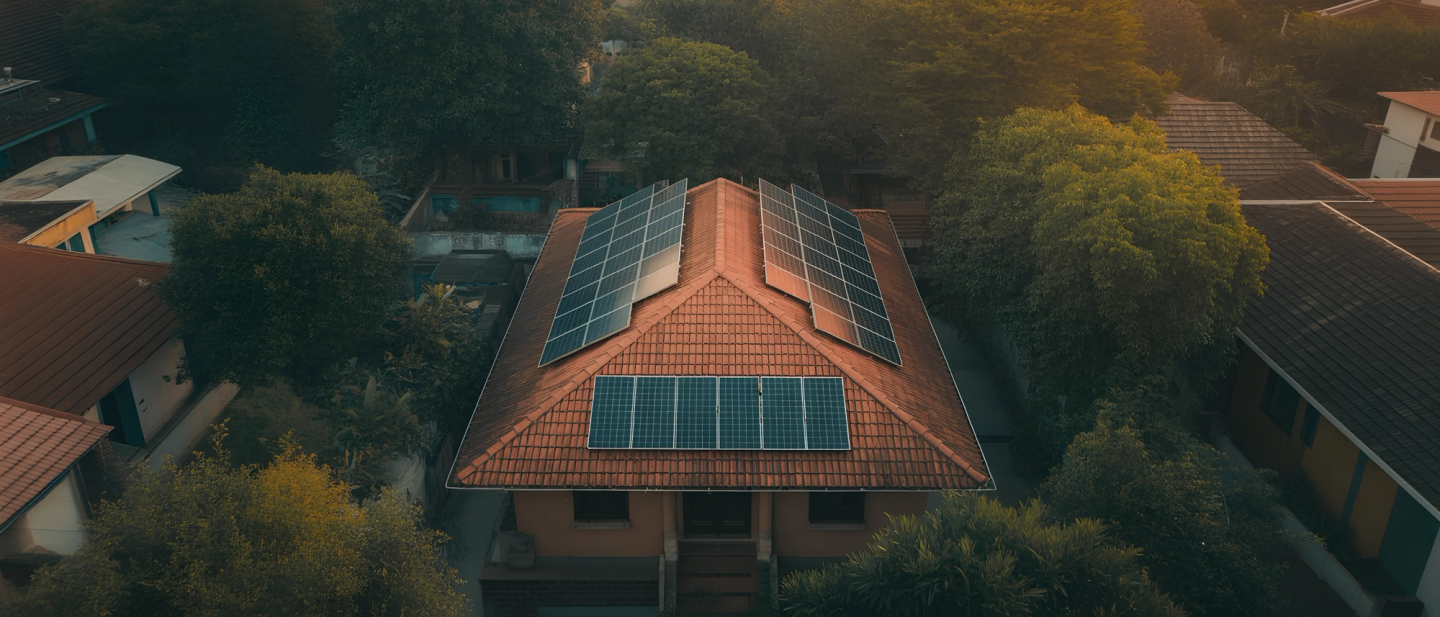
PM Surya Ghar 2.0: Battery Storage, Subsidy Update
Quick Answer
- What is this? MNRE stakeholder consultations on a proposed next phase of PM Surya Ghar: Muft Bijli Yojana, referred to informally as PM Surya Ghar 2.0.
- Is it confirmed policy? No. Still at the consultation stage. No draft notification has been published.
- What's the core idea? Shift subsidy support from paying for installed capacity to paying for actual, sustained generation performance.
- Does this affect current projects? No. The existing scheme, rates, and process are unchanged and continue to operate normally.
- What should EPCs do now? Keep quoting under the current scheme, but start paying closer attention to system quality and post-installation performance, since that's the direction every credible report points.
Why This Matters for EPCs
Right now, this is directional, not actionable in the way a finalized rule would be. But the direction itself is worth taking seriously, because it changes what "winning the sale" means for a rooftop EPC. Under the current scheme, subsidy eligibility is locked in at commissioning based on system size. If MNRE moves toward paying based on sustained generation, the system you install today could carry consequences for your client's payout years after you've handed over the keys, not just at the point of sale. That's a genuinely different business than the one most residential EPCs are running today, and it's worth understanding early rather than reacting to it once it's already policy.
What's Actually Being Discussed
The Core Shift: From Capacity to Performance
The clearest signal comes from a Financial Express report citing an MNRE official who said the programme "should shift from an installation-centric model towards an asset-performance model." Under the scheme today, subsidy is calculated once, based on the system's rated capacity, Rs 30,000/kW for the first 2 kW and Rs 18,000 for the third kW, capping at Rs 78,000 for 3 kW and above, and released after commissioning. It doesn't matter to the subsidy calculation whether the system actually generates the yield it was designed for.
The proposals under discussion would change that. Reported elements include generation guarantees, mandatory service periods, and insurance against equipment failure and generation shortfall, all pointing toward a system where ongoing performance, not just a one-time capacity check, determines what support a household actually receives.
This isn't coming out of nowhere. MNRE has already shown it's focused on the performance side of the equation this year: the mandatory 10-year product and 25-year performance warranty SOP issued in May 2026 for scheme-backed modules addresses the same underlying concern, that a system passing a one-time inspection at commissioning doesn't guarantee it performs for the client over its actual operating life. PM Surya Ghar 2.0, as currently discussed, looks like the same instinct applied to the subsidy structure itself, not just the equipment warranty.
Battery Storage: An Incentive, Not a Mandate
Financial Express's reporting frames battery storage as one of the areas the redesign is expected to support, alongside generation and lifecycle maintenance. Nothing in the reporting suggests a battery requirement attached to every installation. It reads as an added, optional incentive path, not a mandatory attachment, similar in spirit to how the Electricity Rights of Consumers draft treats storage as new regulatory permission rather than a blanket requirement for large systems.
For EPCs, the practical read right now is: don't tell a client a battery is coming as a requirement, because that's not what's being reported. Do treat it as a real signal that battery-attached residential proposals are likely to become more financially attractive under whatever framework eventually lands.
The Digital Solar Passport
One of the more concrete proposals is a "Digital Solar Passport," a persistent record tied to each installation that captures output, service history, and warranty status over the system's life. Financial Express reports MNRE is also planning a common data protocol covering more than 100 inverter and equipment manufacturers, with daily generation data intended to support DISCOM planning, maintenance alerts, and warranty enforcement, alongside AI-based verification to help identify installed components and detect defects.
If this materializes anywhere close to what's been reported, it changes what "commissioning documentation" means for a residential EPC. A system record that follows the installation for years, rather than a one-time paperwork packet filed at handover, is a meaningfully bigger documentation obligation than the current process requires.
Shared Rooftop Solar for Apartments and Multi-Tenant Buildings
The current scheme's structural gap, no clean path for apartment residents or anyone without individual rooftop access, is reportedly one of the things 2.0 is trying to close. The MNRE consultation specifically covered group and virtual net metering, mechanisms that would let a shared rooftop installation on an apartment block or multi-tenant building apportion generation credit across multiple individual electricity connections.
This would open a segment EPCs currently have no clean way to sell into: housing societies and RWAs as a direct client, rather than individual homeowners within them. It's also, notably, still just something the consultation covered, not something with a defined mechanism yet.
Differentiated Assistance and State-Level Considerations
Financial Express also reports the framework may introduce differentiated financial assistance based on household income, location, consumer category, and the services a rooftop system provides back to the grid, a more targeted approach than today's flat capacity-based subsidy slabs. Separately, states that currently provide free or heavily subsidized electricity may consider converting those recurring power subsidies into one-time solarisation support instead, a structural shift some states could pursue independently of whatever MNRE finalizes centrally.

What EPCs Should Do With This Right Now
- Keep quoting under the current scheme. Nothing about today's subsidy slabs, eligibility, or process has changed. A client asking whether to wait for 2.0 should be told plainly that there's no confirmed timeline, and delaying means delaying real, current savings for an unconfirmed future benefit.
- Start treating system quality as a business asset, not just a compliance box. If generation-linked support becomes real, the EPCs whose systems reliably hit their modeled yield are the ones positioned to benefit when performance starts mattering to subsidy outcomes, not just to the client's electricity bill.
- Watch for the shared rooftop mechanism specifically. If group or virtual net metering for apartments materializes, it's a genuinely new sales channel, worth having a housing-society pitch ready before competitors do.
- Don't oversell any of this to a client as confirmed. Every element here is reported and under discussion, not notified policy. Presenting it as settled risks the same credibility cost as any other premature claim.
- Track MNRE's actual policy paper when it lands, not just news coverage of the consultation. The reported proposals will very likely change in the transition from stakeholder discussion to an actual draft.
Common Mistakes to Avoid
- Don't tell a client PM Surya Ghar 2.0 includes a mandatory battery requirement. Every credible report frames it as an added incentive, not a requirement.
- Don't advise a client to delay their installation to wait for 2.0. There is no confirmed timeline, and the current scheme remains fully functional with real, immediate savings.
- Don't present the Digital Solar Passport, generation-based incentives, or shared rooftop solar as finalized program features. They're reported proposals under MNRE evaluation, not notified rules.
- Don't conflate this with MNRE's actual finalized actions this year, like the May 2026 module warranty SOP or the July 2026 DISCOM incentive guidelines. Those are real and in effect. PM Surya Ghar 2.0 as a whole is not.
How This Fits Into a Reslink Workflow
If generation-linked incentives become real, the yield model an EPC produces at proposal stage stops being a sales estimate and starts being the benchmark a client's future subsidy realization gets measured against. That makes design accuracy at the proposal stage a financial liability question, not just a professionalism question, and it's exactly the kind of documentation that needs to be generated consistently and attached to the project record from day one, not reconstructed after the fact if a client's subsidy comes in lower than expected.
See how a Reslink proposal ties design-stage yield modeling directly to the project record → Book a demo
Frequently Asked Questions
Q1. Is PM Surya Ghar 2.0 an official government scheme yet?
No. As of this writing, MNRE has held stakeholder consultations covering proposals for a redesigned scheme. No draft notification or formal policy has been published. "PM Surya Ghar 2.0" is the informal name being used in reporting and industry discussion, not an official scheme title yet.
Q2. What is the single biggest proposed change
Moving subsidy support from being based on installed capacity alone to being based on actual, sustained generation performance, described by an MNRE official as a shift "from an installation-centric model towards an asset-performance model," per Financial Express.
Q3. Will battery storage become mandatory under PM Surya Ghar 2.0?
Nothing in current reporting suggests a mandate. Battery storage is discussed as an area the redesign is expected to support with a dedicated incentive, not a requirement attached to every installation.
Q4. What is the Digital Solar Passport?
A proposed persistent record tied to each rooftop installation, tracking generation output, service history, and warranty status over the system's operating life. It would work alongside a common data protocol MNRE is reportedly planning across more than 100 inverter and equipment manufacturers.
Q5. Can apartment residents access PM Surya Ghar 2.0?
That's one of the gaps the redesign is reportedly trying to close, through group and virtual net metering mechanisms that would let a shared rooftop installation serve multiple individual electricity connections in one building. No specific mechanism has been finalized.
Q6. Should I tell clients to wait for PM Surya Ghar 2.0 before installing?
No. The current scheme is fully operational with defined subsidies and a working process. There's no confirmed timeline for when, or even whether, 2.0 provisions will take effect, so waiting means delaying certain, current savings for an unconfirmed future benefit.
Q7. How does this relate to MNRE's other 2026 actions, like the module warranty SOP?
They're separate, but point in a consistent direction. The May 2026 warranty SOP is already finalized and mandatory for scheme-backed modules, addressing performance and reliability at the equipment level. PM Surya Ghar 2.0, as discussed, would extend that same performance focus to the subsidy structure itself. One is confirmed and in effect; the other is still a proposal.
Q8. When will PM Surya Ghar 2.0 actually be finalized
No timeline has been reported. MNRE is still evaluating proposals gathered from stakeholder consultations before preparing a detailed policy paper. Expect the eventual draft, if and when it's published, to differ from the specific proposals currently being reported, since that's the normal path between a consultation and a notified rule.
Sources
- The Financial Express, "PM Surya Ghar 2.0 to link subsidies to generation, battery storage," published July 27, 2026, confirms the shift toward an asset-performance model, the Digital Solar Passport concept, the 100+ manufacturer data protocol, AI-based verification, and the differentiated-assistance proposal.
- solarbytes.info, "MNRE explores PM Surya Ghar 2.0 for rooftop solar," confirms MNRE has formally begun stakeholder consultations, the specific discussion topics (maintenance, group/virtual net metering, BESS, grid integration, digital monitoring, financing, installation quality), and that officials will evaluate proposals before preparing a policy paper.
- MNRE, Standard Operating Procedure for module warranty management, May 6, 2026, cited here for context establishing MNRE's related, already-finalized focus on solar system performance and reliability this year.
Related Articles
India Anti-Dumping Duty on Chinese Solar Cells: Pending
DGTR recommended a 23-30% anti-dumping duty on Chinese solar cells a year ago. The Finance Ministry still has not imposed it. What EPCs should know.

CEA Mandatory Storage for Solar, Wind Projects 2027
CEA's draft mandates 15% grid-forming inverters and co-located storage for new RE plants from July 2027. What's confirmed, and what's still unclear.
MNRE 45 GW Relief Package: What's Confirmed vs Pending
CERC already freed 15.7 GW of stranded connectivity. MNRE's broader relief package for 45 GW of stalled projects is still awaiting approval.