How To Become A Solar PV Designer in 2026
What a Solar PV Designer Does and Why the Role Exists
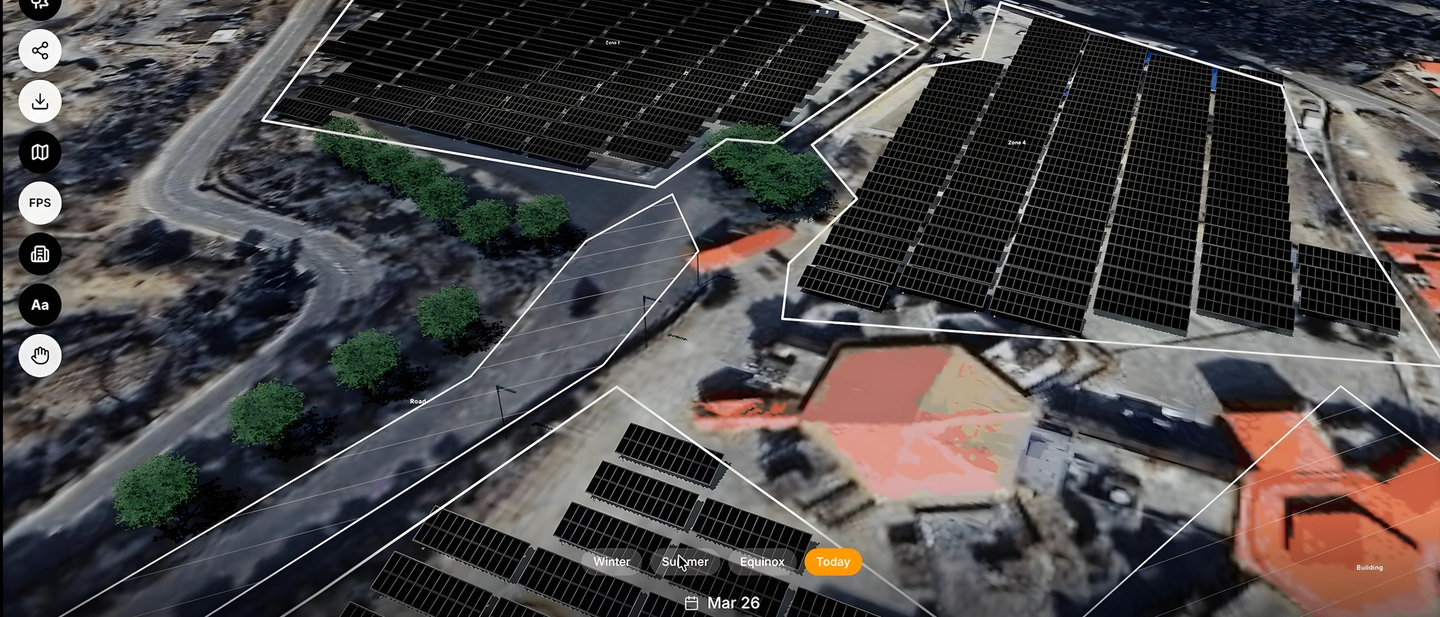
A solar PV designer translates a client’s energy goal into a complete photovoltaic system layout. The designer selects the appropriate solar modules, determines the optimal mounting structure, chooses the tracking method (if any), evaluates the suitability of building‑integrated PV (BIPV) and specifies the inverter that will convert the generated direct current (DC) to alternating current (AC) for use on‑site or export to the grid. The U.S. Department of Energy explains that modules generate electricity, but a functional system also requires durable mounting structures that can endure wind, rain, hail and corrosion over decades. Proper tilt – equal to the local latitude and oriented due south in the northern hemisphere – maximises annual energy output.
Ground‑mounted arrays can incorporate one‑axis or two‑axis trackers that follow the sun, increasing energy harvest at the cost of higher upfront investment and maintenance requirements. BIPV integrates solar cells into roofing, façades or windows, offering aesthetic and material efficiencies while powering DC loads such as LED lighting or EV charging stations, though commercial adoption remains limited by technical and market barriers. Inverters complete the power conversion chain, turning DC into AC for local transmission and appliance use.
Wind‑load considerations are important; designers should verify structural calculations against local codes to ensure the array remains secure under extreme weather conditions.
Design Translation: A designer must turn site data, client objectives and code constraints into a set of schematics that engineers, installers and permitting officials can all follow.
The rapid expansion of utility‑scale solar projects across the United States, driven by state renewable portfolio standards and corporate procurement targets, has amplified the need for designers who can deliver code‑compliant, cost‑effective layouts. Market pressure makes the designer role both strategically critical for EPCs and a promising career path for technical professionals.
Historical Evolution of the Designer Role
Earlier utility‑scale deployments in the 2000s relied heavily on in‑house engineering teams that combined system design with overall project management. As project scale grew, specialization became necessary; training programs were introduced in the early 2010s to address gaps in shading analysis and structural modeling. Today, the designer’s focus is narrowly defined around performance modeling, compliance verification, and integration of emerging technologies such as bifacial modules and advanced trackers. This shift has increased demand for engineers who can rapidly adopt new design software and stay current with evolving codes, reinforcing the importance of continuous education outlined in DOE resources.
Key Skills and Qualifications for Solar PV Designers
Designers need a solid grasp of the five core system components highlighted by the Department of Energy: solar modules, mounting structures, tracking mechanisms, BIPV options and inverters. Mastery of electrical fundamentals, shading analysis, system sizing calculations and the ability to interpret local building and electrical codes are essential. Practical experience with design software (such as PVSyst, Helioscope or SAM) reinforces these concepts, although the DOE sources do not name specific tools.
Training pathways that address these skill sets are diverse. The DOE lists four primary formats: career‑technical education (CTE) programs at the high‑school level, associate or bachelor degree programs at community colleges and universities, work‑based learning such as apprenticeships or internships, and continuing‑education courses for existing professionals. Aligning curricula with employer‑identified skill requirements improves the training‑to‑career pipeline, ensuring that graduates are ready to meet real‑world design challenges.
The 2020 Solar Jobs Census reports that 67 % of solar industry positions are in installation and project development, while an additional 7 % are in system operations and maintenance. This distribution demonstrates the industry’s heavy reliance on competent designers who can bridge the gap between concept and constructability.
Starting Your Path to Solar PV Design
- Enroll in a DOE‑aligned program. Choose a format that matches your current education level, CTE for high‑school students, an accredited degree for those seeking a broader engineering foundation, or an apprenticeship for immediate, on‑the‑job learning.
- Build a component knowledge base. Study the module‑to‑inverter workflow described in the DOE design‑basics guide, focusing on how mounting choices affect performance and longevity.
- Practice with real‑world data. Use publicly available solar irradiance datasets to perform tilt‑angle calculations (latitude‑based) and compare fixed‑mount versus tracker outputs.
- Earn a recognized credential. While the DOE sources do not list specific certifications, industry bodies such as the Solar Energy Industries Association (SEIA) provide career resources that often reference recognized design certifications. Visiting SEIA’s career portal can help you identify the most respected credentials in your region.
- Gain hands‑on experience. Volunteer on small residential or community solar projects, or assist senior designers on commercial installations. Real‑world exposure cements the theoretical knowledge covered in classroom settings.
Why Acting Now Matters for Solar PV Designers
Solar technology and the codes that govern it evolve rapidly, as the DOE notes that “solar technologies and the codes and standards that govern them continue to rapidly evolve”. Continuous training is therefore essential to keep designs compliant and cost‑effective. The same source reports that a well‑designed workforce can deliver “positive short and long‑term impacts” for employers and the broader clean‑energy transition. Coupled with the 67 % share of jobs in installation and project development, the demand for competent designers is unlikely to wane in the coming years. EPCs that invest early in staff development will secure a competitive edge as project timelines tighten and client expectations rise.
What EPCs Must Do Now to Build a Qualified Design Team
- Audit existing design capabilities. Identify gaps in knowledge of mounting structures, tracking options, BIPV and inverter selection.
- Partner with DOE‑aligned training providers. Leverage CTE, degree or apprenticeship programs that already align curricula with employer‑identified skill needs.
- Integrate DOE design guidance into internal standards. Use the DOE design‑basics documentation as a baseline for engineering checks on tilt angles, structural durability and inverter sizing.
- Create mentorship loops. Pair junior designers with senior engineers on live projects to accelerate experiential learning.
- Track career progression. Align performance metrics with the industry‑wide distribution of roles (67 % installation/project development, 7 % operations/maintenance) to ensure designers have clear pathways toward senior design or project‑management positions.
Additional Resources and Training Programs
DOE Solar Photovoltaic System Design Basics
Provides detailed explanations of modules, mounting structures, tracking mechanisms, BIPV and inverter functions, forming the technical foundation for any designer. The guide also walks designers through shading analysis techniques and specifies wind‑load verification steps that align with local building codes, ensuring structural integrity throughout the system’s life. It further emphasizes that designers should document all assumptions, such as module tilt angles and grounding methods, because these records become critical during permitting reviews and post‑installation performance audits.
DOE Solar Design and Installation Training
Outlines the various education formats, CTE, degree programs, apprenticeships and continuing‑education courses, while emphasizing alignment with employer‑identified skill needs. It further highlights that employers can use these formats to benchmark candidate competence, because the curricula include measurable outcomes such as completed design projects, shading‑analysis exercises, and documented wind‑load verification. The DOE also recommends that training programs incorporate competency exams and project‑based assessments to validate that participants can translate theory into reliable design documents.
DOE Solar Photovoltaic Technology Basics
Offers a high‑level overview of emerging photovoltaic technologies and links to further technical resources on the.gov portal.
SEIA Industry Careers
Lists industry‑wide career resources, including guidance on certifications and job‑market trends for solar professionals.
SEIA Solar Heating & Cooling
Provides information on the broader solar energy ecosystem, useful for designers interested in integrated heating‑cooling applications.
Frequently Asked Questions
Q1. What core knowledge does a solar PV designer need?
A designer must understand solar modules, durable mounting structures, tracking options, building‑integrated PV and inverter technology. The DOE design‑basics guide details each component and its role in a functional system.
Q2. Which training formats are recognized for solar design?
The Department of Energy identifies four formats: high‑school career‑technical education, undergraduate or graduate degree programs, work‑based apprenticeships or internships, and continuing‑education courses for professionals.
Q3. Why is formal training essential for designers?
Solar technologies and governing codes evolve quickly. Formal training equips designers with up‑to‑date practices, helping firms achieve “positive short and long‑term impacts” and maintain compliance with the latest standards.
Q4. How large is the market for solar design talent?
The 2020 Solar Jobs Census shows that 67 % of solar industry jobs are in installation and project development, while 7 % are in operations and maintenance, indicating a strong demand for designers who can bridge design and build phases.
Q5. How can an EPC evaluate a designer’s competency before hiring?
EPCs can compare candidate experience against the DOE training outcomes, which include completed design projects, shading‑analysis exercises and documented wind‑load verification. SEIA’s career portal also lists recognized certifications that signal mastery of the core components outlined in the DOE guide. Together these resources let EPCs set objective benchmarks for hiring decisions.
Q6. How does tracking improve system performance?
One‑axis trackers follow the sun east‑to‑west and two‑axis trackers keep panels pointed directly at the sun, increasing energy capture compared with fixed‑tilt systems, though they require higher upfront costs and maintenance.
Q7. What is building‑integrated PV and why consider it?
BIPV embeds solar cells into roofing, windows or façades, allowing the building envelope to generate electricity while reducing material redundancy. It can power DC loads such as LED lighting or EV chargers, though commercial uptake is limited by technical and market barriers.
Q8. How can EPCs measure and ensure design quality after hiring a designer?
The DOE recommends ongoing performance monitoring that includes periodic review of shading‑analysis reports, wind‑load verification updates, and post‑installation performance data against design predictions. EPCs should require designers to document design assumptions and conduct field validation tests as part of project close‑out, aligning with the competency‑assessment guidelines in the DOE training framework.
Q9. What can EPCs do now to develop new designers?
EPCs can audit skill gaps, partner with DOE‑aligned training programs, embed DOE design guidance into internal standards and establish mentorship programs, thereby creating a sustainable pipeline of qualified designers.
Q10. How frequently should designers refresh their knowledge of codes and standards?
The DOE notes that “solar technologies and the codes and standards that govern them continue to rapidly evolve,” so designers should review the latest code revisions and DOE guidance at least annually, and whenever a major revision to the National Electrical Code or local building code is published.
Related Articles

NFCC BESS Guidance 2026: What's Confirmed, What's Open for UK EPCs
NFCC's updated BESS guidance cut spacing to 3 feet with UL 9540A testing. What's confirmed, what's still unresolved, and what to bring to planning.

MCS 2027 Deadline: What's Actually Changing for Solar and Battery EPCs
Every MCS-certified installer must move to the redeveloped Scheme by 31 March 2027. What's actually changed, why the date matters twice, and what to do now.

Solar BOM Automation: What It Actually Fixes
A quantity error on DC cable alone can erode 6-9% of project margin. See what BOM automation actually solves, and what still needs a manual check.